


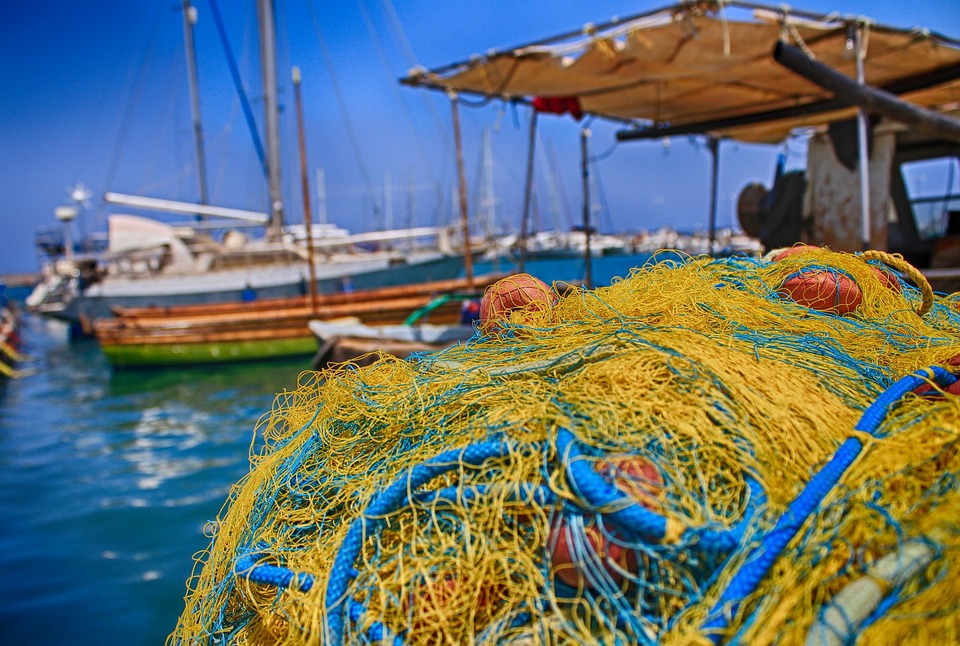






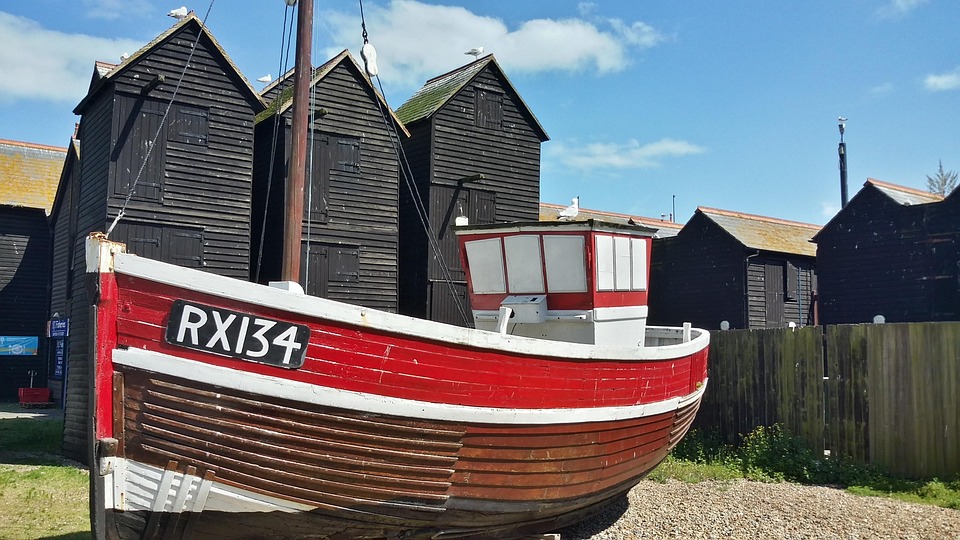
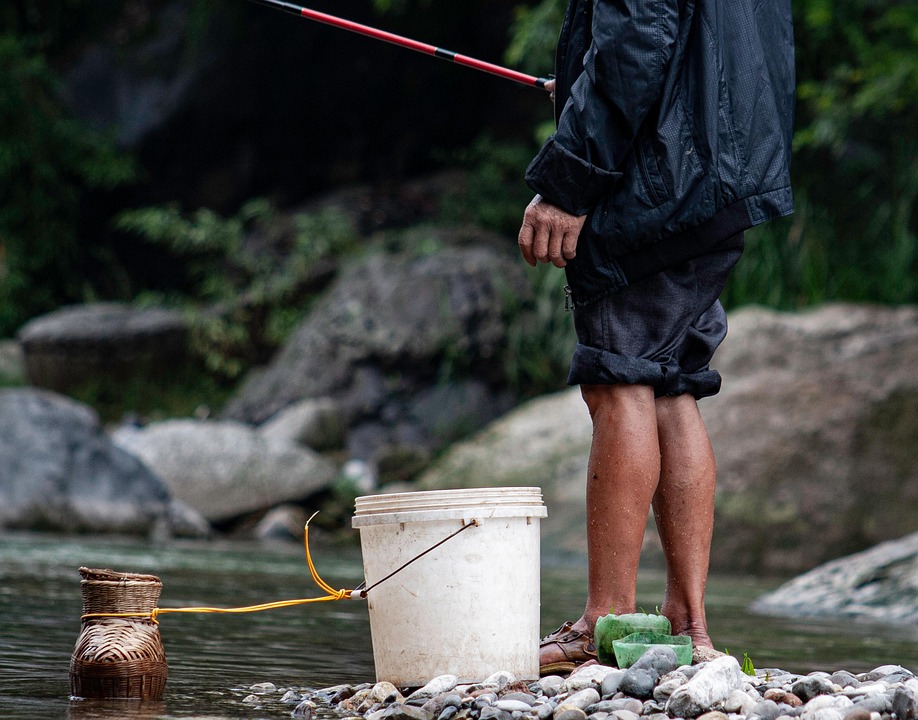


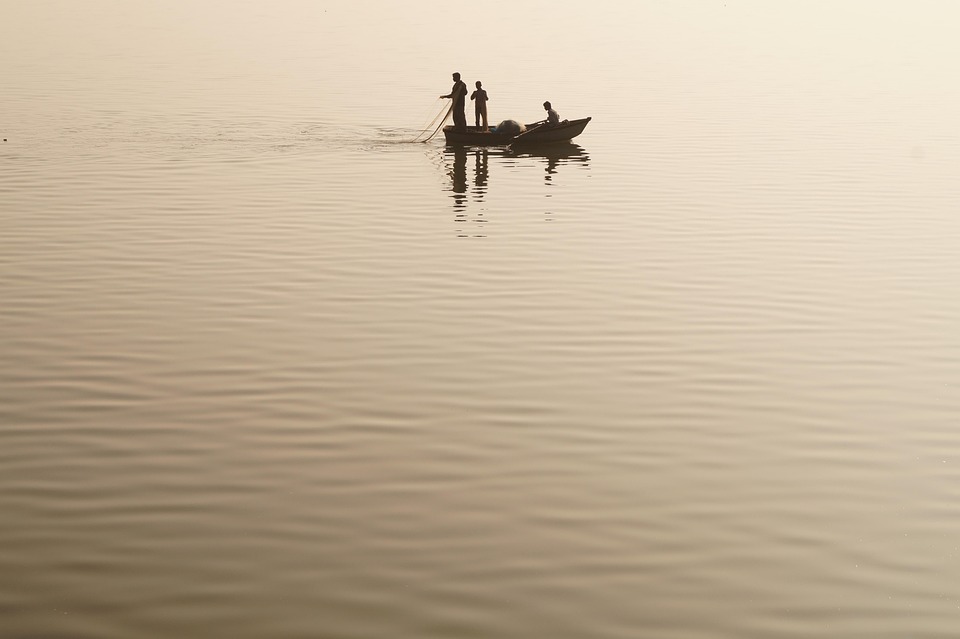







Fishing has evolved from a mere means of survival to a beloved recreational pastime that boasts a myriad of techniques and styles. Among these, fly fishing and trolling have gained exceptional popularity, each offering a unique interaction with nature. As we explore the diverse fishing methods, we’ll unveil their histories, techniques, equipment, and ecological impacts, guiding novices and seasoned anglers alike through the fascinating world of fishing.
The Art of Fly Fishing
Fly fishing originated in Europe, with historical roots tracing back to the Roman times. It involves using artificial flies as bait, a practice that differentiates it from other methods. The allure of fly fishing lies in its technique, which combines skillful casting with an understanding of the fish’s behavior.
Techniques and Equipment
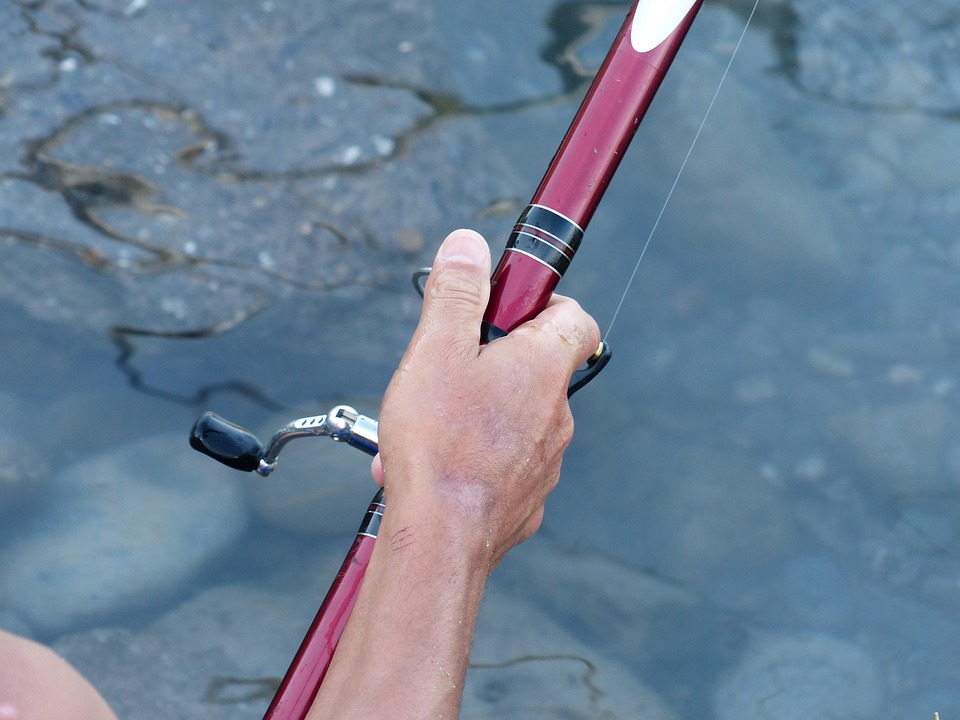
Essential to fly fishing is the fly rod, usually longer and lighter than conventional rods. The reel is generally simpler, offering little drag as the focus is on casting techniques. The flies, meticulously crafted from feathers, fur, and other materials, mimic the appearance of insects or small fish.
Casting techniques such as the overhead cast and the roll cast are pivotal. An angler must master these to effectively place their fly in target areas, taking into consideration factors such as wind, distance, and the behavior of the fish.
Environmental Considerations
Fly fishing encourages a strong bond between the angler and the outside world. Many advocates argue it promotes sustainable practices. The catch and release philosophy is widespread among fly fishers, emphasizing conservation. Moreover, because fly fishing often takes place in pristine rivers and streams, it raises awareness about water health and ecosystem preservation.
Trolling: A Technique of the Waves
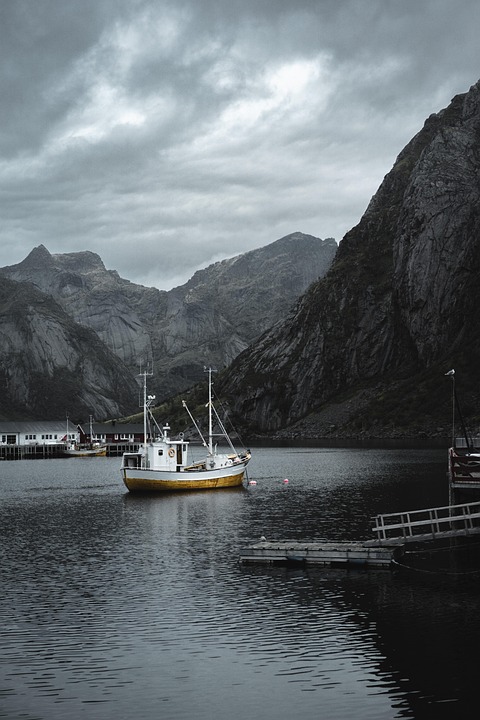
Trolling, on the other hand, often takes place in larger bodies of water like lakes and oceans. This method involves trailing baited hooks or lures behind a moving boat. While originally developed for commercial fishing, it has become increasingly popular among recreational anglers.
Techniques and Equipment
Trolling requires various specialized gear including trolling rods, reels, and an assortment of lures. Depth and speed are critical; anglers must adjust these variables to entice fish that dwell at different water depths.
Different styles of trolling exist, such as flatline, downrigging, and kite fishing. Each has its nuances, requiring a good understanding of fish behavior and environmental factors.
Environmental Impacts
While trolling can be efficient, it has implications for ecosystems. Overfishing is a concern, particularly in popular trolling spots. However, many anglers practice sustainable trolling by monitoring fish populations and adhering to regulations. The method also facilitates catch and release, promoting responsible fishing practices.
Comparative Analysis: Fly Fishing vs. Trolling
Fly fishing and trolling serve different purposes and landscapes. They appeal to distinct angling styles and preferences. While fly fishing emphasizes skillful casting and connection with nature, trolling focuses on efficiency and exploration of open waters.
Anglers may choose one over the other based on environment and target species. Fly fishing is often seen as an intimate way to engage with freshwater species, while trolling is more about the thrill of catching bigger fish like marlin and tuna in saltwater.
Emerging Techniques in Fishing
As technology advances, so too do fishing methods. Techniques like kayak fishing are gaining traction, offering alternatives for anglers who prefer solitary, close-to-nature experiences. Furthermore, advancements in fish finders and sonar technology are refining how anglers approach both fly fishing and trolling.
Innovative products are also on the rise, such as environmentally friendly fishing lures and eco-conscious boats, helping reduce the ecological footprint of fishing.
Conclusion
From the delicate flick of a fly rod to the steady rhythm of a trolling motor, diverse fishing methods reflect not only various techniques but also the relationship anglers have with nature. Whether opting for the intimate experience of fly fishing or the exhilarating escapade of trolling, each method presents opportunities for connection with wildlife and the environment. As custodians of our waters, anglers are entrusted with the responsibility of practicing sustainable fishing, ensuring that future generations can continue to revel in the joys of the sport. Ultimately, as we embrace these varied methods of fishing, we also celebrate the rich tapestry of traditions and innovations that define this timeless pastime.
FAQs
1. What is the best time of year for fly fishing?
The best time for fly fishing generally varies by location and target species. Spring and fall often yield great success as fish are more active. However, it’s important to research local fishing conditions for optimal results.
2. Can trolling be done on any body of water?
While trolling can technically be done on lakes and rivers, it is more commonly practiced in larger bodies of water such as oceans or big lakes where fish populations are more abundant.
3. Is fly fishing more environmentally friendly than trolling?
Fly fishing tends to promote sustainable practices, such as catch and release. However, responsible trolling can also be practiced, adhering to regulations and monitoring fish populations.
4. What species are best caught by trolling?
Trolling is effective for larger species like salmon, tuna, and marlin. The method targets fish that are often found at varying depths and distances from shore.
5. Do I need special equipment for fly fishing?
Yes, fly fishing requires specialized equipment, including a fly rod, reel, and artificial flies. It’s important to invest in quality gear suited for your fishing conditions and target species.
- advanced fishing techniques
- artificial bait fishing
- bait fishing
- boat fishing methods
- casting fishing
- deep sea fishing techniques
- drift fishing
- fishing knots techniques
- fishing methods
- fishing methods for beginners
- fishing rigs methods
- fishing strategy tips
- fishing techniques
- fly fishing techniques
- freshwater fishing techniques
- inshore trolling
- jigging fishing
- live bait fishing
- lure fishing methods
- modern fishing techniques
- offshore trolling
- popping fishing
- professional fishing methods
- saltwater fishing techniques
- shore fishing methods
- slow jigging
- spinning fishing
- topwater popping
- trolling fishing
- vertical jigging










Leave a comment