












Fishing is a timeless pastime that connects us with nature and encourages patience, skill, and strategy. From the tranquility of a quiet river to the thrill of reeling in a big catch, the evolution from a beginner fisherman to a pro involves learning, practice, and a few key techniques. This article will delve into essential fishing techniques that can elevate your game and transform your fishing experience.
Understanding Your Environment
Before casting your line, it’s crucial to understand the environment you’re fishing in. Each body of water is unique—rivers, lakes, and ocean fronts each present distinct challenges and opportunities. A pro fisherman knows that environmental factors such as water temperature, clarity, and vegetation can significantly impact fish behavior.
1. Water Temperature and Seasons
Fish are cold-blooded creatures, meaning their activity levels are closely tied to water temperature. Generally, fish become more active in warmer waters (above 60°F) and tend to spawn during spring months. Understanding seasonal behaviors can help you identify the best times to fish and the species you may encounter.
2. Locating Fish
Utilizing tools like depth finders and fish finder charts can be invaluable. These devices help identify underwater structures such as rocks, drop-offs, and submerged vegetation where fish are likely to gather. Additionally, observing bird activity can give clues to finding schools of fish; birds feeding on the surface often indicate fish are near.
Choosing the Right Gear
The right fishing gear can make a significant difference in your success. While beginners may start with a basic rod and reel, more advanced fishermen often customize their setups to better suit their target species and fishing conditions.
1. Rod and Reel
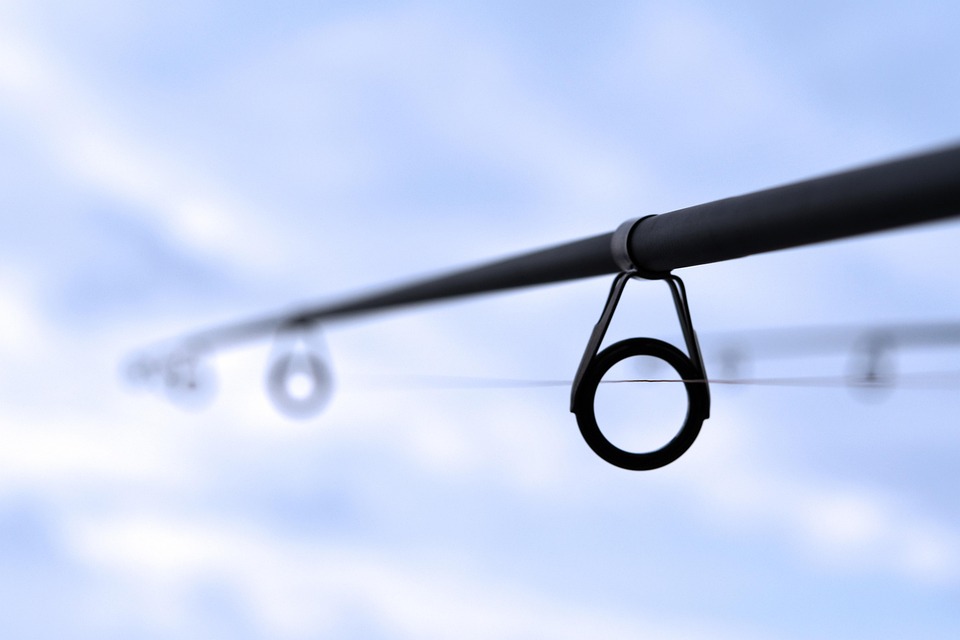
Choosing the right rod and reel involves considering the type of fishing you plan to do. For example, a light rod is excellent for panfish, while a heavy rod may be necessary for deep-sea fishing. Additionally, spinning reels are great for beginners due to their ease of use, while baitcasting reels enable more precise casting for seasoned pros.
2. Line Selection
Fishing line comes in various types, including monofilament, fluorocarbon, and braided lines. Each offers distinct advantages: monofilament is versatile and forgiving, fluorocarbon is nearly invisible underwater, and braided lines provide exceptional strength. Understanding the nuances of each will help you select the best line for your specific fishing conditions.
Mastering Casting Techniques
Regardless of your skill level, effective casting can greatly enhance your fishing experience. Here are several techniques that can refine your casting skills:
1. Overhead Cast
The overhead cast is the most common technique, allowing you to launch your bait or lure with power and precision. This technique involves swinging the rod backward over your shoulder and then forward, releasing the line at the peak of the forward motion.
2. Sidearm Cast
This method is useful in tight spaces where overhead casting may not be feasible. By positioning the rod horizontally and swinging it from side to side, you avoid tangles in nearby vegetation or obstacles while maintaining accuracy.
3. Roll Cast
A roll cast is ideal for situations with limited backspace, such as casting flies on small streams. This technique involves flipping the line forward with a quick flick of the wrist while keeping most of the line in the water.
Using Bait and Lures Effectively
A critical component of fishing success is choosing the right bait or lure. Different fish species have varied preferences, making it essential to tailor your approach to what you’re trying to catch.
1. Live Bait
Worms, minnows, and crickets are excellent bait options for beginners. Live bait often mimics the natural food sources for many fish species, boosting your chances of a catch. However, learning how to keep live bait healthy can be as important as choosing it.
2. Lures
Artificial lures come in numerous shapes, sizes, and colors, each designed to mimic the movement and appearance of prey. Fishing lures include spinners, jigs, and crankbaits, each serving different purposes. Mastering how to present these lures is crucial—techniques such as twitching, popping, and steady retrieve can make them irresistible to fish.
Reading the Water
As you gain experience, developing the ability to “read” the water can be a game-changer. Understanding water conditions allows seasoned fishermen to predict fish behavior more accurately.
1. Observing Current and Wind
Fish often position themselves in areas where the current flows or where they’ve found sufficient cover. Casting upstream can be beneficial, allowing your bait to drift naturally towards where fish are likely hiding. Similarly, a good angler will pay attention to wind direction as it can affect where fish feed.
2. Recognizing Fish Patterns
As you observe different fishing areas over time, you’ll begin to see patterns: certain types of fish may prefer specific areas or depths based on weather conditions, seasons, and feeding behaviors. Keeping a fishing journal can help capture these insights for future outings.
The Importance of Conservation
As fishing enthusiasts, a crucial responsibility is to practice sustainable fishing techniques. Respecting local fish populations ensures that fishing can remain an enjoyable activity for future generations.
1. Catch and Release
Catching and releasing fish properly minimizes stress and injury to the fish, allowing them to survive after being caught. Ensure you use barbless hooks, handle fish with wet hands, and minimize the time they’re out of the water.
2. Follow Local Regulations
Each fishing location has regulations regarding size limits and catch quotas, which are designed to maintain fish populations. Staying informed about these guidelines not only contributes to conservation efforts but also enhances the sustainability of fishing as a whole.
Conclusion
Transforming from a beginner to a pro in fishing involves mastering various techniques, understanding your environment, and embracing conservation practices. Whether you’re casting on a serene lake, navigating swift river currents, or exploring deeper waters, the journey of a fisherman is as rewarding as the catch itself. With time and practice, these techniques can help you enhance your skills, deepening your appreciation for nature and the simple joy of fishing.
FAQs
1. What is the best time of day to fish?
Early mornings and late afternoons are often considered the best times to fish, as many species are more active during these hours. The low light conditions can encourage feeding, increasing your chances of a successful catch.
2. What should I do if I catch a fish I don’t want to keep?
If you catch a fish you intend to release, handle it gently, using wet hands to avoid removing its protective slime. Use barbless hooks when possible, and minimize the fish’s time out of the water to help it recover quickly.
3. Do I need a fishing license?
Yes, most states require a fishing license to fish legally. Check local regulations to obtain the necessary permits and familiarize yourself with fishing laws in your region.
4. What should I do if I encounter bad weather while fishing?
Safety should always be your top priority. If you experience lightning or heavy rain, seek shelter immediately. Keep an eye on weather forecasts before heading out, and be prepared to change your plans if conditions turn unfavorable.
5. How can I find good fishing spots?
Research online resources, connect with local fishing communities, or visit tackle shops for recommendations. Observing patterns and keeping a fishing journal of your experiences can also help you discover productive fishing locations over time.
- advanced fishing techniques
- artificial bait fishing
- bait fishing
- boat fishing methods
- casting fishing
- deep sea fishing techniques
- drift fishing
- fishing knots techniques
- fishing methods
- fishing methods for beginners
- fishing rigs methods
- fishing strategy tips
- fishing techniques
- fly fishing techniques
- freshwater fishing techniques
- inshore trolling
- jigging fishing
- live bait fishing
- lure fishing methods
- modern fishing techniques
- offshore trolling
- popping fishing
- professional fishing methods
- saltwater fishing techniques
- shore fishing methods
- slow jigging
- spinning fishing
- topwater popping
- trolling fishing
- vertical jigging












Leave a comment