









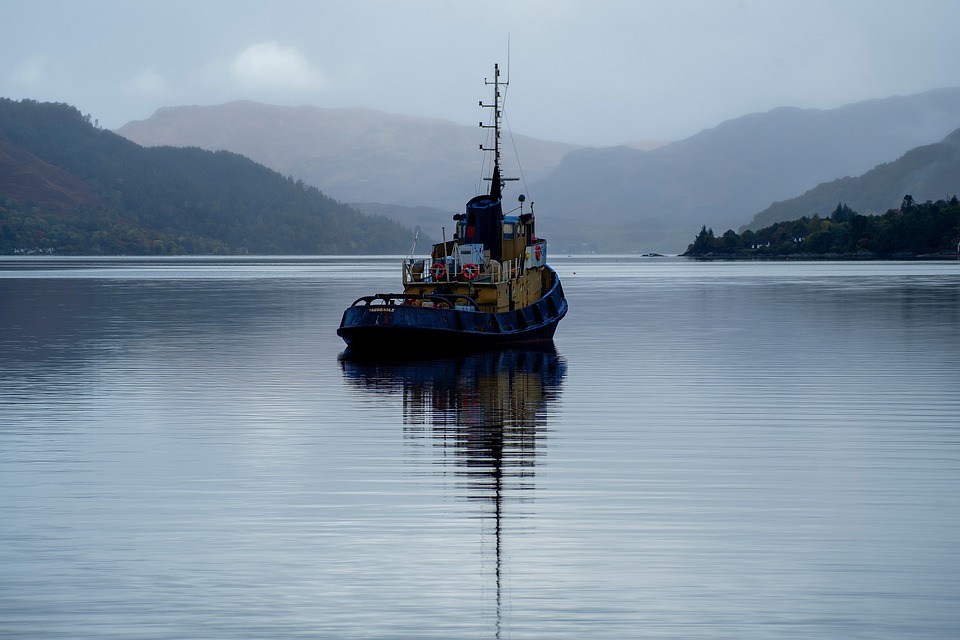








Offshore trolling has earned its place as one of the most thrilling methods of fishing, attracting anglers from novice to expert levels. This dynamic fishing technique involves dragging baits or lures behind a boat as it moves through the water, targeting various species that inhabit open waters. From the rush of a large catch to the stunning backdrop of the sea, offshore trolling offers a unique blend of excitement, skill, and connection to nature. In this article, we will explore why every fisherman should consider adding offshore trolling to their fishing repertoire.
The Bounty of the Open Waters
One of the primary appeals of offshore trolling is the wide array of fish species available. Depending on the region and time of year, anglers can target game fish such as:
- Marlin: Known for their acrobatics and strength, they are a prized catch for sports fishermen.
- Tuna: Highly sought after, especially species like Yellowfin and Bluefin, known for their speed and fighting ability.
- Wahoo: Fast and agile, they are a thrilling opponent on the line.
- Dolphin (Mahi Mahi): Known for their vibrant colors and delicious taste, they are a favorite among chefs and anglers alike.
This diverse selection not only increases the odds of a successful outing but also encourages fishermen to develop their skills and tactics tailored to different species.
The Skills and Techniques Involved
Offshore trolling is a skillful art that requires understanding various techniques, equipment, and environmental factors:
Choosing the Right Gear
When preparing for a trolling expedition, selecting the right gear is crucial. Considerations include:
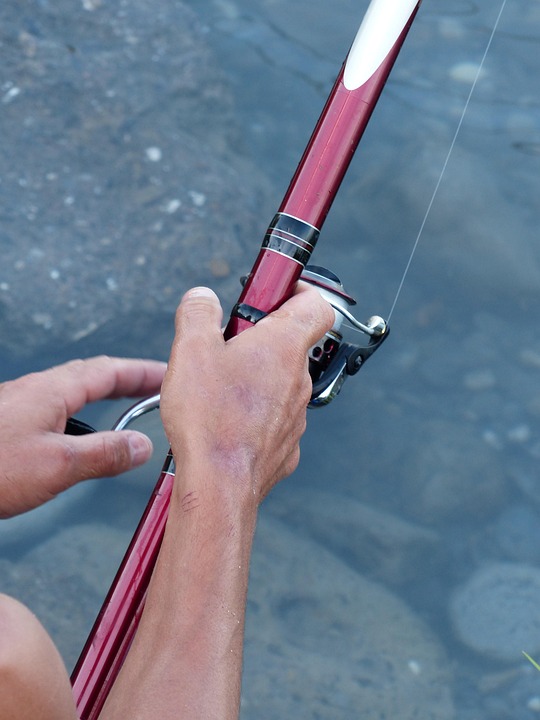
- Rod and Reel: Heavy-duty trolling rods paired with large, high-capacity reels are essential for handling big fish.
- Line: High-strength monofilament or braided line between 30-80 pounds is popular among experienced anglers.
- Lures and Baits: Selecting the right lure, whether it’s a spoon, plug, or live bait, can make all the difference in attracting fish.
Techniques and Strategies
To maximize fishing success, the following techniques can be beneficial:
- Speed Control: Adjusting the boat’s speed can influence fish behavior. Generally, 5-8 knots is effective for most species.
- Depth Control: Utilizing downriggers or lead weights allows lures to reach specific depths where fish may be feeding.
- Spread Pattern: Properly spacing out your lines (often called a “spread”) can increase catch rates and reduce tangles.
The Thrill of the Catch
The adrenaline rush of a fish striking the line is unmatched. The experience can vary greatly depending on the species and size of the fish. When a trophy-sized marlin or tuna bursts through the surface, the excitement is palpable. The battle to reel in such a mighty fish brings together strategy, skill, and sheer determination. Fishermen build camaraderie through shared experiences of victory and loss, creating memories that last a lifetime.
Connecting with Nature
Offshore trolling is not just about catching fish; it’s also about moving through some of the most breathtaking environments on Earth. The vast, open ocean offers stunning vistas, ranging from sunrises that paint the sky to wildlife encounters that include dolphins, sea turtles, and birds. This connection to nature serves as a form of therapy, transporting individuals away from the daily grind and into a serene tranquility only found at sea.
Preparation and Safety Measures
As exhilarating and rewarding as offshore trolling can be, safety should always be a priority. Key preparations include:
- Weather Check: Always check the marine forecast before heading out to avoid treacherous conditions.
- Safety Equipment: Ensure that life jackets, flares, a first-aid kit, and communication devices are accessible on board.
- Know the Regulations: Familiarize yourself with local fishing laws, including catch limits and protected species.
The Community and Culture of Trolling
Offshore trolling has fostered a tight-knit community of avid fishermen and women. Charters, fishing clubs, and competitive tournaments bring enthusiasts together to share their passion and knowledge. Participants exchange tips about techniques, gear innovations, and even favorite fishing spots, contributing to a vibrant culture steeped in camaraderie.
Participating in fishing tournaments can add layers to the experience. These events not only offer the chance to win prizes but also provide an opportunity to learn from seasoned anglers and network with peers. The friendly competition can spearhead a sense of achievement and pride within the fishing community.
Environmental Awareness
As passionate as anglers may be about catching fish, there’s an increasing awareness of the importance of sustainable fishing practices. Organizations and fellow fishers promote catch-and-release methods, reduce bycatch, and advocate for maintaining fish populations. Enjoying the thrill of the chase can go hand in hand with being a steward of the marine environment, ensuring that future generations can also experience the joys of offshore trolling.
Conclusion
Offshore trolling is more than just a fishing technique; it’s a way to forge lasting memories, experience thrilling adventures, and connect with nature. From the variety of target species to the camaraderie shared within the fishing community, whether through competitions or leisurely outings, offshore trolling has something to offer everyone. It encourages personal growth, skill development, and a deeper appreciation for our oceans and their inhabitants. For those who have yet to try this exhilarating form of fishing, the time to cast your line and join the adventure is now. The next big catch awaits in the vast blue expanse of the sea!
FAQs
1. What is the best time of year for offshore trolling?
The best time for offshore trolling varies by location and target species. Generally, summer and early fall are prime seasons for many migratory species like tuna and marlin.
2. Do I need a fishing license for offshore trolling?
Yes, obtaining a fishing license is typically required. Be sure to check local regulations, as different regions may have specific rules regarding offshore fishing.
3. Can I go offshore trolling without a boat?
Yes, many charter services offer offshore trolling experiences. This can be a great option for beginners who want to learn without owning a boat.
4. What are some popular trolling lures for beginners?
Popular lures for beginners include deep-diving plugs, skirted baits, and various types of spoons. Start with a few versatile options to find what works best in your area.
5. How does the weight of the line affect offshore trolling?
Heavier lines are advisable for larger game fish as they can withstand the strain and prevent breakage. Lighter lines may be suitable for smaller species but can lead to a greater risk of losing a catch.
- advanced fishing techniques
- artificial bait fishing
- bait fishing
- boat fishing methods
- casting fishing
- deep sea fishing techniques
- drift fishing
- fishing knots techniques
- fishing methods
- fishing methods for beginners
- fishing rigs methods
- fishing strategy tips
- fishing techniques
- fly fishing techniques
- freshwater fishing techniques
- inshore trolling
- jigging fishing
- live bait fishing
- lure fishing methods
- modern fishing techniques
- offshore trolling
- popping fishing
- professional fishing methods
- saltwater fishing techniques
- shore fishing methods
- slow jigging
- spinning fishing
- topwater popping
- trolling fishing
- vertical jigging










Leave a comment