









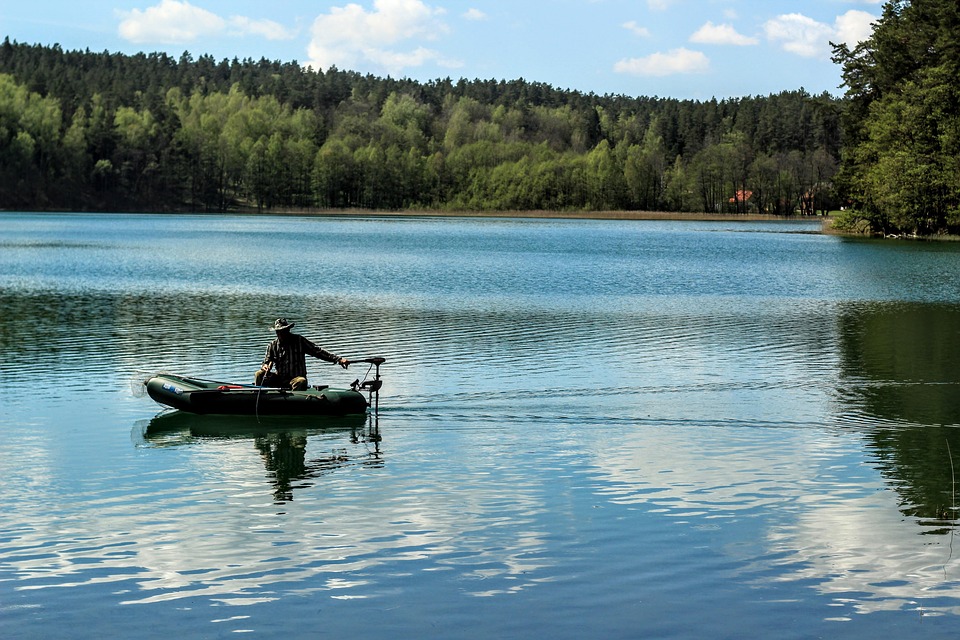
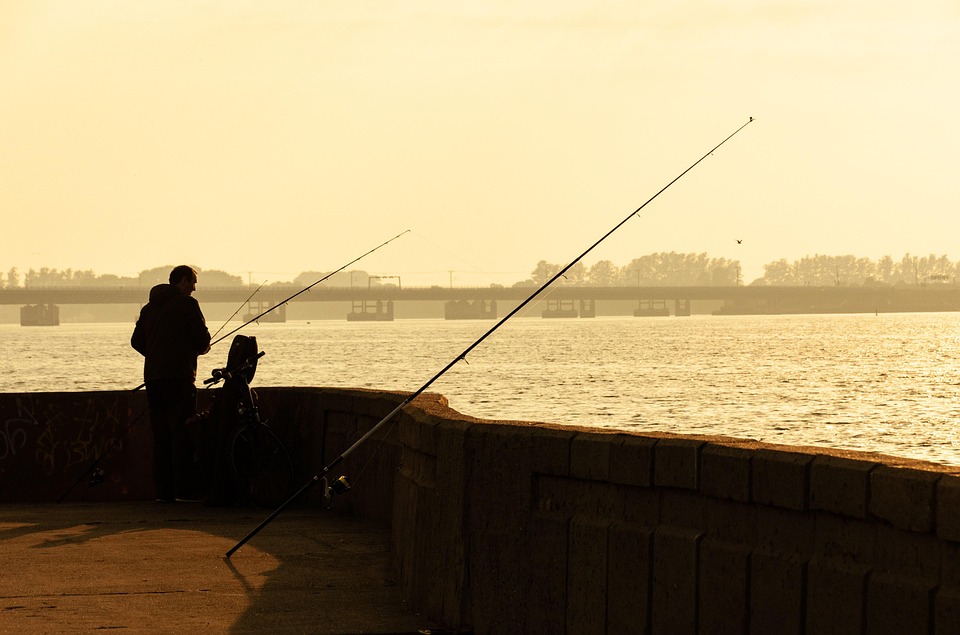
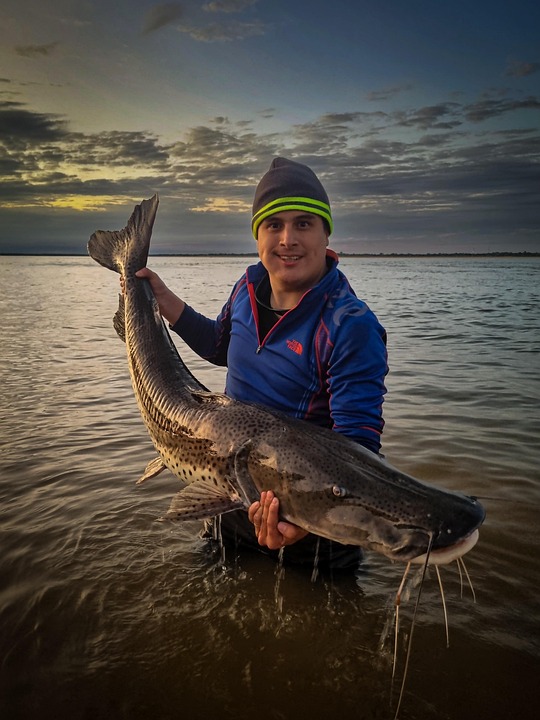
Saltwater predator fishing is akin to hunting. The thrill of stalking fish like tarpon, snook, and striped bass in their natural habitat brings a unique adrenaline rush that few other sports can offer. However, the success of these endeavors often relies heavily on having the right gear. In this article, we’ll explore the essential equipment that should be in every angler’s arsenal, the tactics that can enhance your fishing experience, and how understanding tidal patterns can boost your chances of landing that prized catch.
Understanding Saltwater Predator Fishing
Before we dive into the gear, let’s get a clearer picture of what saltwater predator fishing involves. Predatory fish are often found in coastal waters, estuaries, and even freshwater systems where they feast on smaller fish, crustaceans, and other marine life. These species are typically aggressive, and targeting them requires knowledge of their behavior and habitats, as well as an understanding of the tidal systems that govern their movements.
The Tidal Influence
Tides not only affect water levels but also play a significant role in the feeding habits of saltwater fish. Understanding whether you are fishing during high or low tide can significantly influence your success. Fish are more active during certain tidal phases, and anglers who understand these patterns are often more successful. Here are key points to consider when planning your fishing trip:
- High Tide: Generally, high tides bring fish close to shore, making it an ideal time for targeting game fish like snook and tarpon.
- Low Tide: During low tides, fish tend to retreat to deeper waters, but they are often more concentrated around structures like rocks and docks.
- Incoming Tides: Fish become more active as the tide rises, making this phase particularly productive for anglers.
- Outgoing Tides: As the tide recedes, fish often follow the current out, and targeting these areas can also yield great results.
Essential Gear for Saltwater Predator Fishing
1. Rods and Reels
The first step in ensuring success is selecting the right rod and reel combination. Saltwater predators put immense strain on equipment, and therefore, choosing durable and high-performance gear is critical.
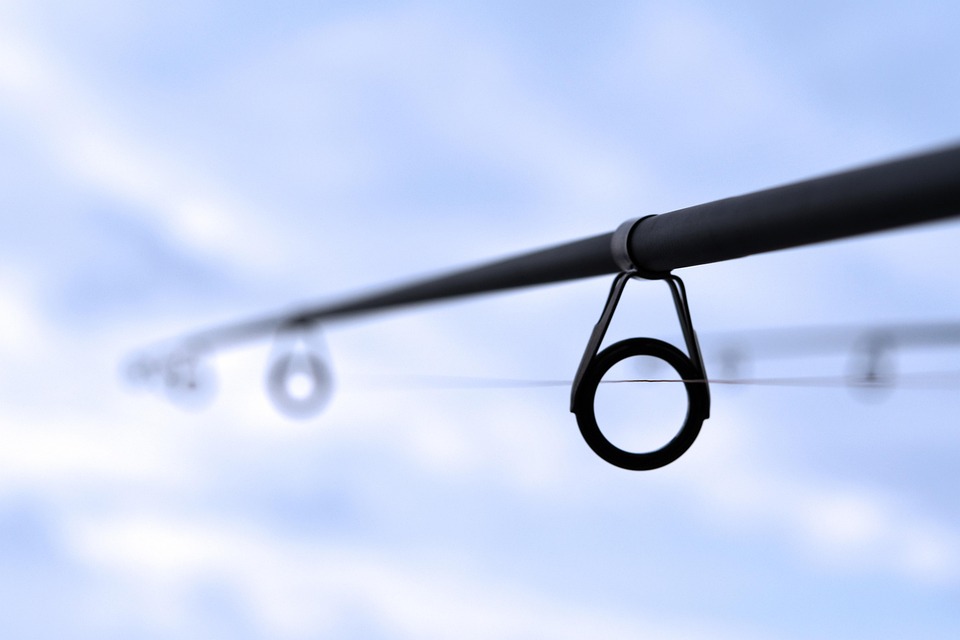
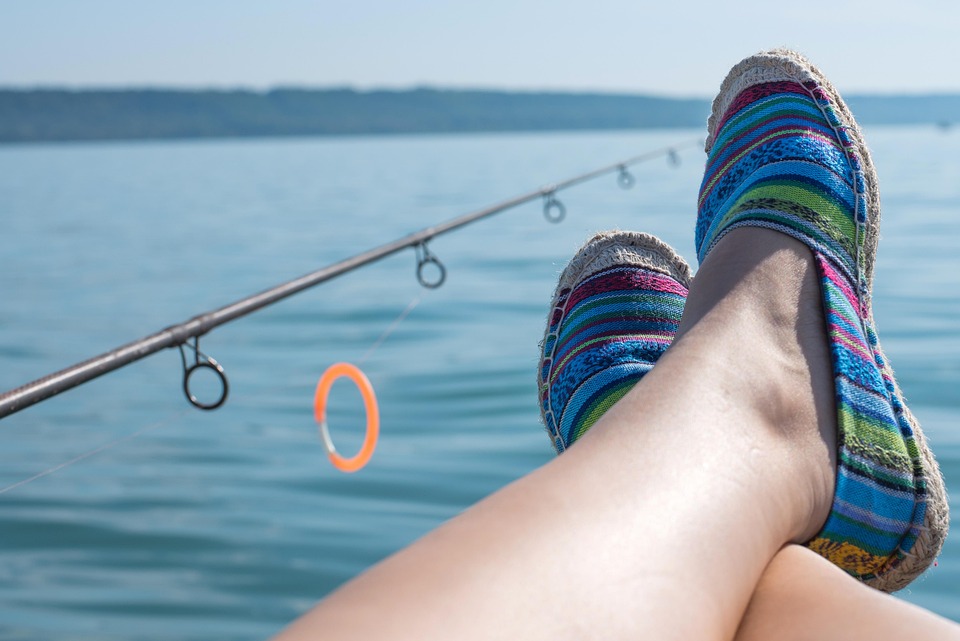
- Rods: Look for a medium to heavy-action rod made from graphite or composite materials. These rods offer the sensitivity to detect strikes while still being strong enough to handle larger fish.
- Reels: A quality spinning or baitcasting reel with a high gear ratio can make all the difference. Opt for a reel made from corrosion-resistant materials, especially if you are fishing in saltwater.
2. Fishing Line
Your choice of fishing line can significantly impact your fishing success. In saltwater environments, braided lines are preferred due to their strength and sensitivity. A braided line with a 30-65 lb test is ideal for most predator fishing situations.
3. Terminal Tackle
Terminal tackle may be small in size, but it plays a crucial role in your fishing setup. Here are the essentials:
- Hooks: Choose strong, sharp hooks appropriate for the species you are targeting. Circle hooks are a favorite as they reduce gut hooking.
- Weights: Depending on your fishing style, the choice of weights can vary. Egg sinkers, pyramid weights, and split shots are popular for saltwater fishing.
- Swivels and Leaders: Use heavy-duty swivels to prevent line twists and fluorocarbon leaders to increase invisibility underwater.
4. Lures and Baits
When it comes to enticing predators, choosing the right bait or lure is imperative. Live bait such as mullet, menhaden, or shrimp can be incredibly effective. However, artificial lures can also yield fantastic results:
- Topwater Lures: These are fantastic for targeting species like striped bass and snook, providing an exciting visual element to your fishing.
- Jigs: Jigs are versatile and can mimic injured prey, making them effective for a variety of saltwater species.
- Soft Plastics: These can be rigged in various ways and are often irresistible to predators.
5. Fishing Accessories
Having the right accessories can streamline your fishing experience. Consider the following:
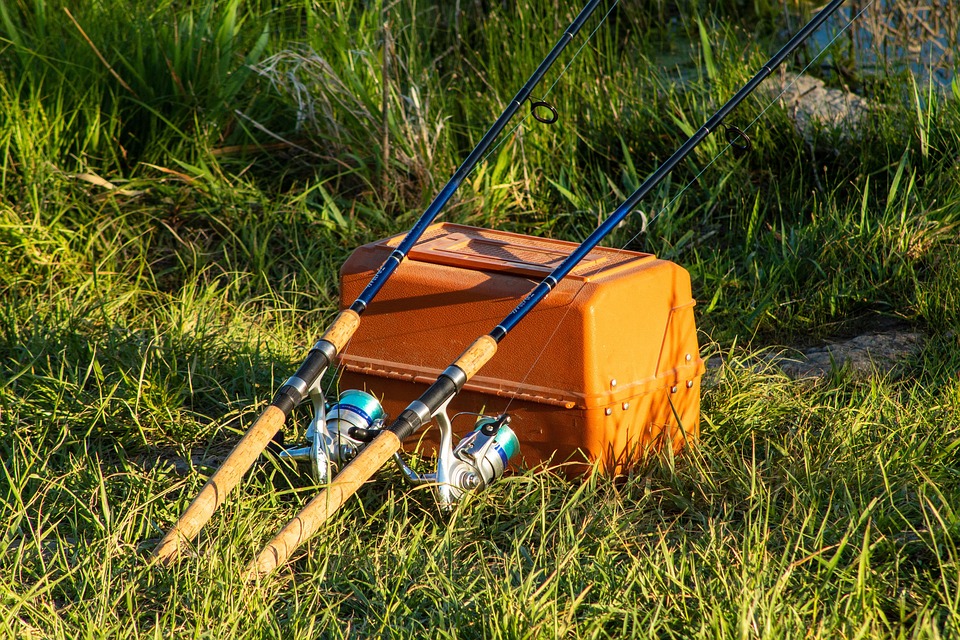
- Fishing Tackle Box: A sturdy tackle box will keep your gear organized and accessible.
- Fish Finder: While not essential, a fish finder can dramatically increase your chances of locating schools of fish.
- Net: A large landing net will help you successfully land your catch without injury.
- Polarized Sunglasses: These not only protect your eyes from the sun but also reduce glare on the water, allowing you to spot fish more easily.
Fishing Techniques and Tactics
1. Casting Techniques
Mastering your casting techniques is crucial for success. Practice different styles, such as overhead casting or sidearm casting, to improve your accuracy. The ability to place your lure or bait in tight spots around structures can be the difference between a successful outing and coming home empty-handed.
2. Reading the Water
Every stretch of water is unique. Learning to read the water is an essential mindset for any predator angler. Look for signs of fish activity, such as surface slaps, diving birds, or baitfish jumping. These are hints that predators are on the hunt.
3. Adapting to Conditions
Weather conditions can drastically affect fish behavior. Pay attention to wind direction, current, and temperature. Fish are more likely to feed aggressively during overcast conditions or just before and after storms.
Conclusion
Choosing the right gear and understanding the dynamics of saltwater predator fishing can greatly enhance your chances of landing that trophy fish. The blend of quality equipment, informed tactics, and awareness of tidal movements will elevate your fishing experience from ordinary to extraordinary. So gear up, head out, and embrace the thrill of the chase.
FAQs
What is the best time to go saltwater predator fishing?
The best times are typically early in the morning or late in the afternoon, especially around tidal changes when fish are most active.
Do I need a fishing license for saltwater fishing?
Yes, most regions require anglers to have a fishing license for saltwater fishing. Check your local regulations to ensure compliance.
What species can I target while saltwater predator fishing?
Common targets include snook, tarpon, striped bass, redfish, and mackerel, among others.
Is live bait better than artificial lures?
It often depends on the situation and personal preference. Live bait can be more enticing to fish, whereas artificial lures can be more efficient in certain techniques.
How do I clean and care for my gear?
Rinse your rod, reel, and other equipment with freshwater after each trip to remove salt residue. Regular maintenance will extend the life of your gear.
- advanced predator fishing
- aggressive fish fishing
- barracuda fishing
- barracuda lure fishing
- freshwater predator fishing
- large predator fishing
- muskie fishing
- muskie lure fishing
- pike fishing
- pike lure fishing
- predator angling
- predator fishing
- predator fishing baits
- predator fishing destinations
- predator fishing for beginners
- predator fishing gear
- predator fishing guides
- predator fishing lures
- predator fishing reels
- predator fishing rigs
- predator fishing rods
- predator fishing seasons
- predator fishing spots
- predator fishing tactics
- predator fishing techniques
- predator fishing tips
- predatory fish fishing
- saltwater predator fishing
- zander fishing
- zander jigging








Leave a comment