













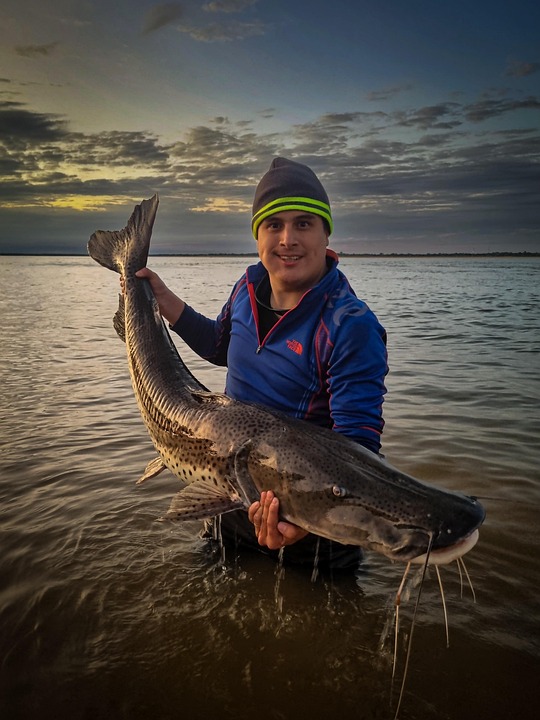
Catfish fishing is an exciting and rewarding experience that combines patience, skill, and a connection with nature. Whether you’re a seasoned angler or a novice eager to learn, understanding the top strategies for catching these bottom-dwellers can dramatically enhance your fishing trips. This guide offers insights into the types of catfish, effective fishing techniques, bait recommendations, and the best equipment, ensuring that you leave the water with a story to tell.
Understanding Catfish Species
Before diving into strategies, it’s essential to understand the different species of catfish:
- Channel Catfish: Commonly found across North America, channel catfish are known for their adaptability and strong bite. They typically grow from 1 to 20 pounds but can reach larger sizes.
- Flathead Catfish: Recognized by their flat, broad heads, flatheads are ambush predators that prefer to stay hidden. They can grow considerably larger, often exceeding 50 pounds.
- Blue Catfish: Known for their bluish hue and massive size, blue catfish are perhaps the most sought-after species among anglers, capable of reaching weights over 100 pounds.
- Bullhead Catfish: Smaller and less popular, bullheads are bottom feeders often found in shallow waters. They provide an enjoyable catch for beginners.
Knowing the species you’re targeting helps tailor your approach effectively.
When to Fish for Catfish
Timing your fishing expedition is crucial. Catfish are typically most active during warmer months, particularly from late spring to early fall. However, they can be productive year-round, depending on conditions. The following tips can help maximize your outing:
- Time of Day: Catfish are often more active during dawn and dusk. Night fishing can also yield fantastic results, especially in summer.
- Weather Conditions: Overcast days tend to be ideal for catfishing, as these conditions encourage catfish to roam. Additionally, after a rain can stir up activity.
- Water Temperature: Catfish prefer water temperatures between 70°F and 80°F. They become more sluggish in colder water, which may limit your success.
Location, Location, Location
Identifying the best fishing spots is paramount. Catfish are bottom dwellers and can be found in various habitats, including:
- Near Structure: Look for catfish near submerged structures like rocks, logs, or fallen trees that provide cover.
- Bend of Rivers: Catfish often congregate in bends or front of drop-offs where current slows and food is abundant.
- Holes and Deep Pools: Deeper areas are cooler and often serve as hiding spots during hot months.
Utilizing local knowledge and resources like fishing reports or local bait shops can provide insight into productive areas.
Essential Catfish Fishing Techniques
There are several effective techniques for catfishing, and choosing the right method greatly influences your success:
1. Bottom Fishing
One of the most common methods for catfishing, bottom fishing involves using weights to sink your bait to the bottom. The bait floats through the water column, and catfish, attracted by scent, swim to investigate.
2. Jug Fishing
Jug fishing utilizes floating devices equipped with bait and hooks. As the jug moves with the current, it draws in catfish. This method is particularly effective in open water.
3. Trot Lines
Trot lines involve using a main line strung across the water with multiple hooks. This technique allows for the baited hooks to cover a larger area, increasing your chances of a catch.
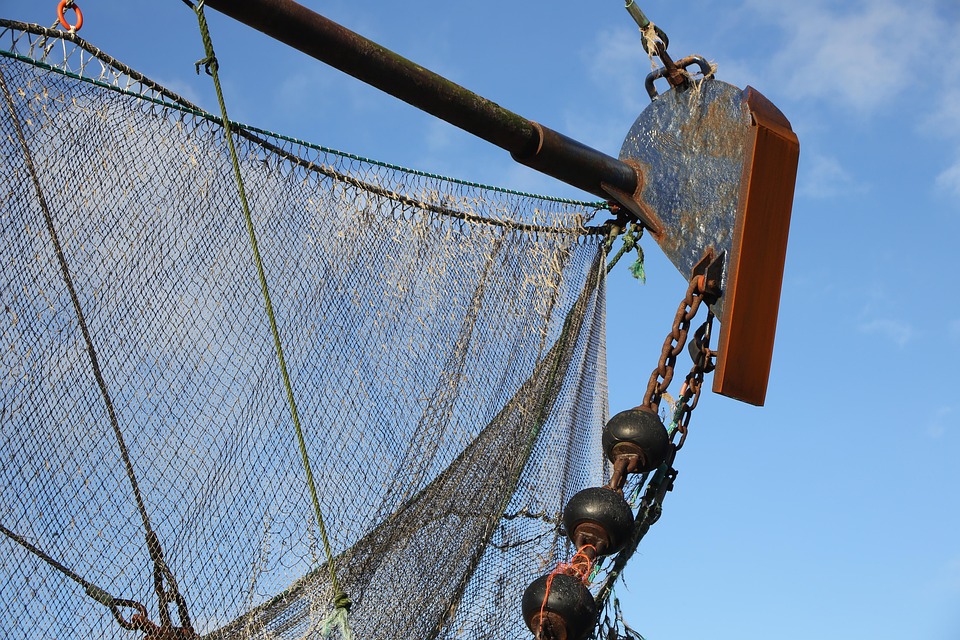
4. Throwing Nets
When targeting larger catfish, using nets can be an effective strategy. This method allows you to catch multiple fish in a single throw and can be especially advantageous in shallow water.
Bait Selection — What Works Best?
Choosing the right bait is vital for attracting catfish. The following are the most popular and effective options:
- Live Bait: Goldfish, shad, and minnows are often irresistible to catfish due to their movement and scent.
- Cut Bait: Fresh cut pieces of fish, such as shad or herring, release a strong odor that catfish find attractive.
- Stink Bait: Prepared baits with strong scents can draw catfish from great distances. These are particularly effective when the water is murky.
- Chicken Liver: A favorite among many anglers, chicken liver has a strong scent that draws in venous catfish.
Experimenting with different baits can help determine what works best for your targeted species and local conditions.
Necessary Gear and Equipment
Equipping yourself with the right tools is essential for a successful catfishing experience:
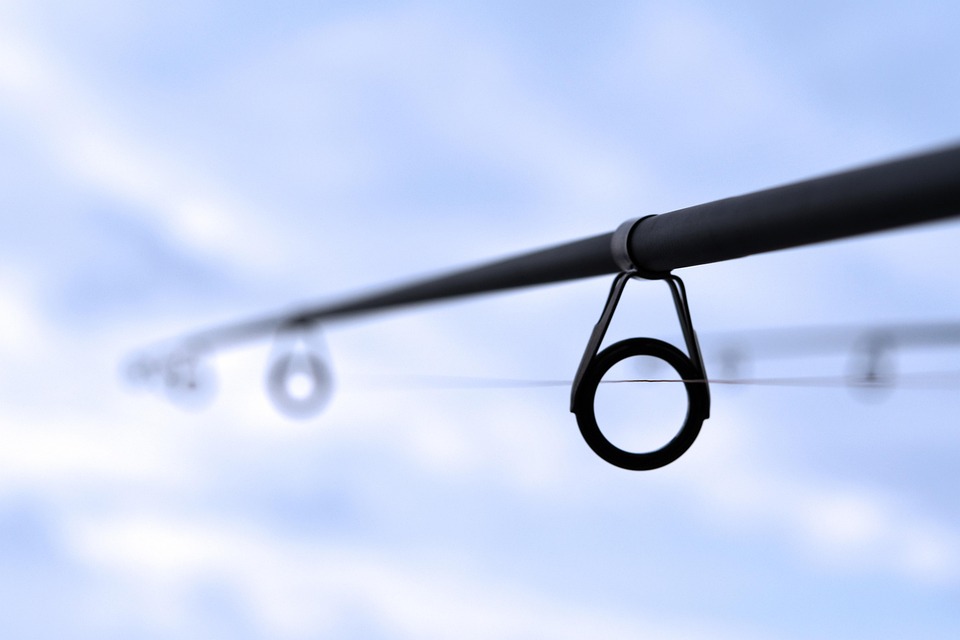
- Rods and Reels: Choose a sturdy rod with a medium to heavy action. Baitcasting reels are often preferred, but spinning reels work well too.
- Fishing Line: Use a durable line, typically between 20 to 50-pound test. Monofilament offers stretch, while braided lines provide strength.
- Hooks: Circle hooks are ideal as they tend to hook catfish in the corner of the mouth, reducing the risk of gut hooking.
By investing in quality equipment, you can avoid issues during your fishing trip, enhancing both comfort and effectiveness.
Safety and Conservation Tips
While enjoying the thrill of catfishing, it’s important to recognize safety and conservation:
- Follow Local Regulations: Ensure you’re aware of size and bag limits specific to your location.
- Practice Catch and Release: If you’re not keeping your catch, handle fish properly and release them as quickly as possible.
- Stay Hydrated and Sun Protected: Fishing can be exhausting; wearing sunscreen and staying hydrated are crucial.
Conclusion
Successful catfish fishing hinges on a combination of knowledge, skill, and patience. By understanding catfish behavior, selecting the right bait, employing effective techniques, and using appropriate gear, anglers can significantly enhance their chances of making a great catch. Whether you’re heading to a local lake or venturing into wider waters, remember that the joy of fishing extends beyond the catch itself. It’s about the experience, the anticipation, and connecting with nature. So, gather your gear, grab a friend, and head out—your next big catch is waiting!
FAQs
What is the best time of year to catch catfish?
The best time to catch catfish is generally during the warmer months, particularly from late spring to early fall when they are most active.
Is night fishing for catfish effective?
Yes, night fishing can be incredibly effective for catfish. They tend to be more active during the night, especially in warmer weather.
What type of rod and reel should I use for catfishing?
A medium to heavy action rod with a durable baitcasting or spinning reel is typically recommended for catfishing.
Can I catch catfish from shore?
Yes! Many anglers successfully catch catfish from the shore, especially in areas with ample access to deep waters and structures.
What bait works best for catfish?
Live bait, cut bait, stink bait, and chicken liver are all effective options for attracting catfish.
- advanced catfish fishing
- blue catfish fishing
- catfish angling
- catfish bait
- catfish fishing
- catfish fishing for beginners
- catfish fishing gear
- catfish fishing guides
- catfish fishing reels
- catfish fishing rods
- catfish fishing seasons
- catfish fishing spots
- catfish fishing tactics
- catfish fishing techniques
- catfish fishing tips
- catfish hooks
- catfish rigs
- catfish species
- channel catfish fishing
- cut bait catfish fishing
- deep water catfish fishing
- flathead catfish fishing
- lake catfish fishing
- live bait catfish fishing
- monster catfish fishing
- night catfish fishing
- river catfish fishing
- shallow water catfish fishing
- stink bait catfish fishing
- trophy catfish fishing
















Leave a comment