











Are you ready to take your predator fishing game to the next level? Understanding the right gear is crucial for landing those elusive trophy fish. This guide will cover the essential tools every serious angler needs, from rods and reels to baits and tackle, ensuring you’re equipped for any fishing expedition.
1. Understanding Predator Fishing
Predator fishing focuses on catching opportunistic carnivorous species such as pike, bass, and muskellunge. These fish are notorious for their aggressive feeding habits, making them an exciting target for anglers. Before diving into the gear, understanding the behavior and habitats of these species can make a significant impact on your success rate. Often found in weedy areas, submerged structures, or near current breaks, predator fish respond well to specific baits and techniques.
2. Fishing Rods for Predator Fish
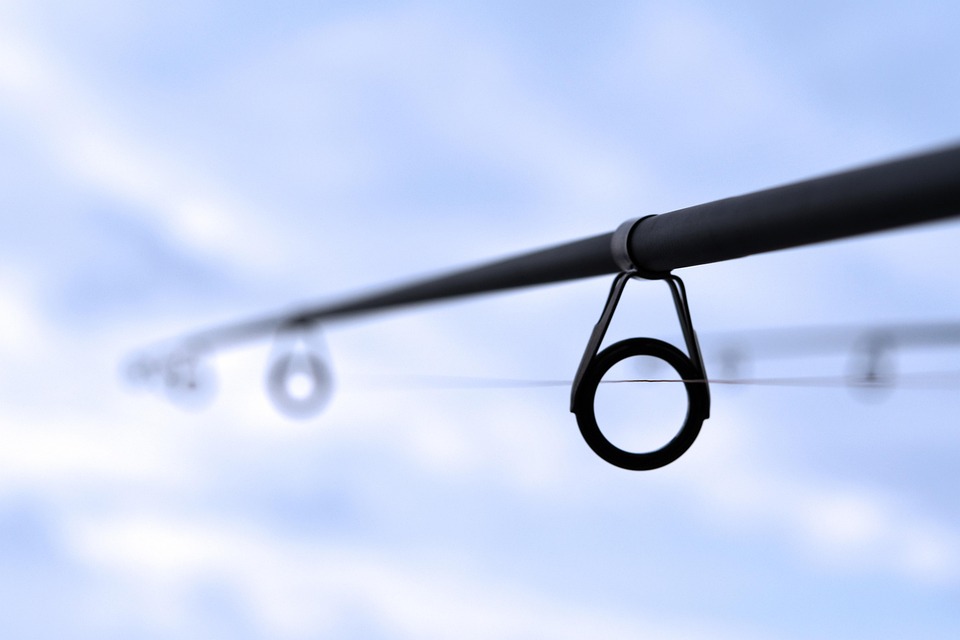
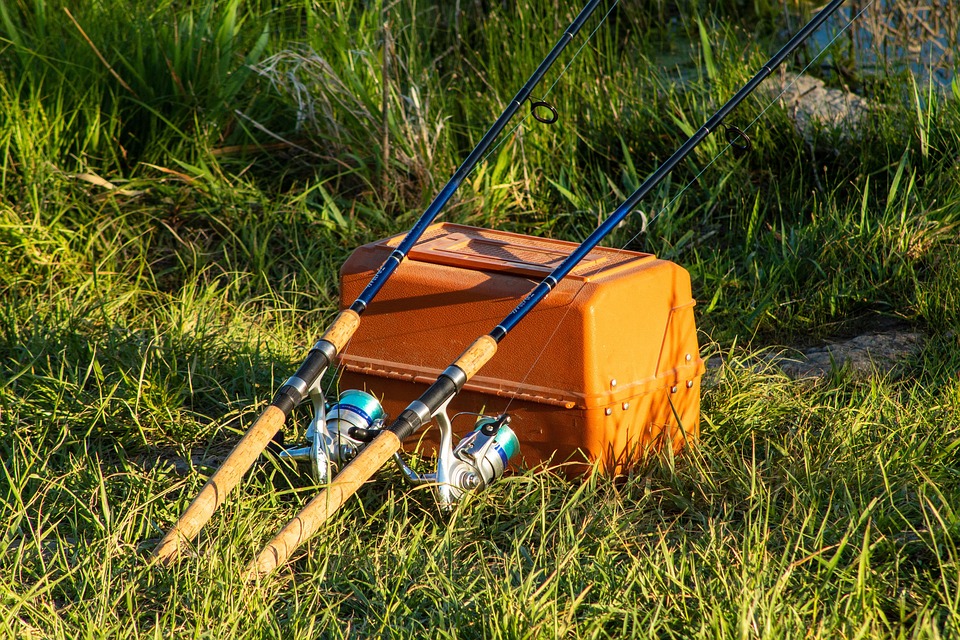
Choosing the right fishing rod is arguably the most important part of your gear selection. An ideal predator rod should be strong yet sensitive enough to detect subtle bites. Here’s a breakdown of recommended rod types:
- Spinning Rods: Perfect for light tackle and finesse techniques. Look for a medium to heavy power rod between 6’6″ to 7’6″ in length.
- Baitcasting Rods: Best for heavy baits and larger lures. Opt for a heavy power rod with fast action to ensure quick hook sets.
- Swimbait Rods: Specifically designed for large lures; these rods typically measure 7′ to 8′, providing enough leverage to handle the weight.
3. Reels: Spinning vs. Baitcasting
Your reel choice significantly affects your casting accuracy and overall fishing experience. Let’s compare the two major types:
- Spinning Reels: Easier to use and great for lighter lures. Ideal for newcomers and can handle a variety of species.
- Baitcasting Reels: Offer greater control over bigger lures but require more skill to operate. They are more efficient for targeting larger predator species.
Regardless of the type, always select a high-quality reel with a smooth drag system. Brands like Shimano, Daiwa, and Abu Garcia offer reliable options for serious anglers.
4. Essential Fishing Lines
The fishing line you choose can make or break your fishing adventure. Depending on the environment and species you’re targeting, here are the primary types:
- Monofilament Line: Versatile and easy to handle, this line stretches, which can help absorb the shock when a fish takes the bait. Use it for general fishing.
- Braid Line: Known for its strength and sensitivity, braided lines are perfect for heavy cover and are less likely to break. They have no stretch, allowing for better hook sets.
- Fluorocarbon Line: Virtually invisible underwater, fluorocarbon lines are excellent for clear water conditions, providing a stealthy approach against wary fish.
5. Lures and Baits: Finding What Works
When it comes to attracting predator fish, choosing the right lure or bait is half the battle. Here’s a deeper look into effective options:
Artificial Lures
- Spinnerbaits: Great for targeting pike and bass, these lures can navigate through cover with ease.
- Swimbaits: Mimicking the motion of baitfish, swimbaits are effective for larger predators like musky.
- Crankbaits: Excellent for covering a lot of water quickly, these can be used at various depths, attracting a range of species.
- Topwater Lures: Exciting to use, topwater lures create surface disturbances that can trigger explosive strikes from bass and pike.
Live Baits
- Minows: A natural choice for predator fish; live minnows can effectively imitate the local forage.
- Worms: Particularly nightcrawlers can be effective for various species, especially in areas where they are abundant.
- Shad and Crawfish: These are often found in the same ecosystems as the predators you’re targeting, making them a natural choice.
6. Terminal Tackle: Things You Didn’t Know You Needed
Terminal tackle forms the backbone of your fishing setup. Here’s what you shouldn’t overlook:
- Hooks: Use sturdy hooks designed for the type of bait and fish size you’re targeting. Circle hooks are excellent for catch-and-release fishing.
- Weights: Depending on your fishing technique, use appropriate weights to help present your bait at the desired depth.
- Swivels and Snap Swivels: Essential for preventing line twist when trolling or using spinning lures.
7. Fishing Accessories to Enhance Your Experience
Beyond the basics, consider these accessories to elevate your fishing game:
- Fish Finders: These electronic devices help locate fish by sending sonar waves through the water, giving you a significant advantage.
- Landing Nets: Essential for safely landing and releasing fish without causing harm.
- Coolers: To keep your catch fresh for those who intend to keep their haul.
- Fishing Pliers: Useful for removing hooks and cutting line, they’re a crucial multi-tool for any angler.
Conclusion
Becoming a successful predator angler requires more than just a fishing rod and reel; it demands a solid understanding of your gear and its application. With the right selection of rods, reels, lines, lures, and accessories, you’ll be well-equipped to tackle various fishing environments and species. So gear up, head out, and make your next fishing trip not just a routine outing, but a thrilling adventure filled with the promise of that trophy catch!
FAQs
1. What is the best time of year for predator fishing?
Late spring through early fall is generally regarded as the prime season for predator fishing, as fish are more active and feeding aggressively during this time.
2. Do I need a fishing license for predator fishing?
Yes, a fishing license is required in most regions, so be sure to check your local regulations before heading out.
3. How can I practice catch-and-release properly?
To practice catch-and-release safely, use barbless hooks, wet your hands before handling the fish, and minimize air exposure. Release the fish gently back into the water as quickly as possible.
4. What’s the difference between braided line and monofilament line?
Braided line is stronger and has no stretch, making it great for heavy cover and quick hook sets. Monofilament has more stretch and is more versatile for general fishing purposes.
5. How do I choose the right lure for a specific fish species?
Research the feeding habits and preferences of the specific predator species you are targeting. Matching the lure’s size, color, and movement pattern to the local prey can significantly improve your chances.
- advanced predator fishing
- aggressive fish fishing
- barracuda fishing
- barracuda lure fishing
- freshwater predator fishing
- large predator fishing
- muskie fishing
- muskie lure fishing
- pike fishing
- pike lure fishing
- predator angling
- predator fishing
- predator fishing baits
- predator fishing destinations
- predator fishing for beginners
- predator fishing gear
- predator fishing guides
- predator fishing lures
- predator fishing reels
- predator fishing rigs
- predator fishing rods
- predator fishing seasons
- predator fishing spots
- predator fishing tactics
- predator fishing techniques
- predator fishing tips
- predatory fish fishing
- saltwater predator fishing
- zander fishing
- zander jigging









Leave a comment