














Fishing has captivated human beings for centuries, serving as both a source of sustenance and a leisure activity. Whether you’re drawn to the tranquility of the water’s edge or the thrill of reeling in a catch, mastering the art of casting is essential for fishing success. This guide will take you through the basics of casting, including techniques, equipment, and tips to enhance your fishing experience.
Understanding the Basics of Casting
Casting is the technique used to send bait or lures into the water. It hinges on several fundamental elements:
- Technique: The way you cast affects accuracy and distance.
- Equipment: Your rod, reel, and line all play crucial roles.
- Environment: Wind, water conditions, and fishing location can influence your cast.
Types of Fishing Rods and Reels
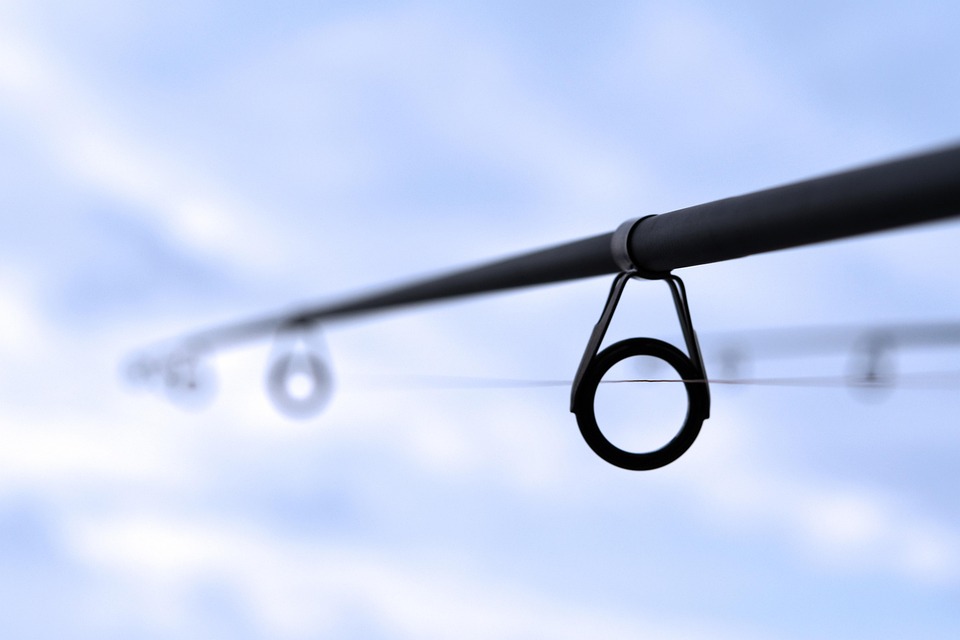
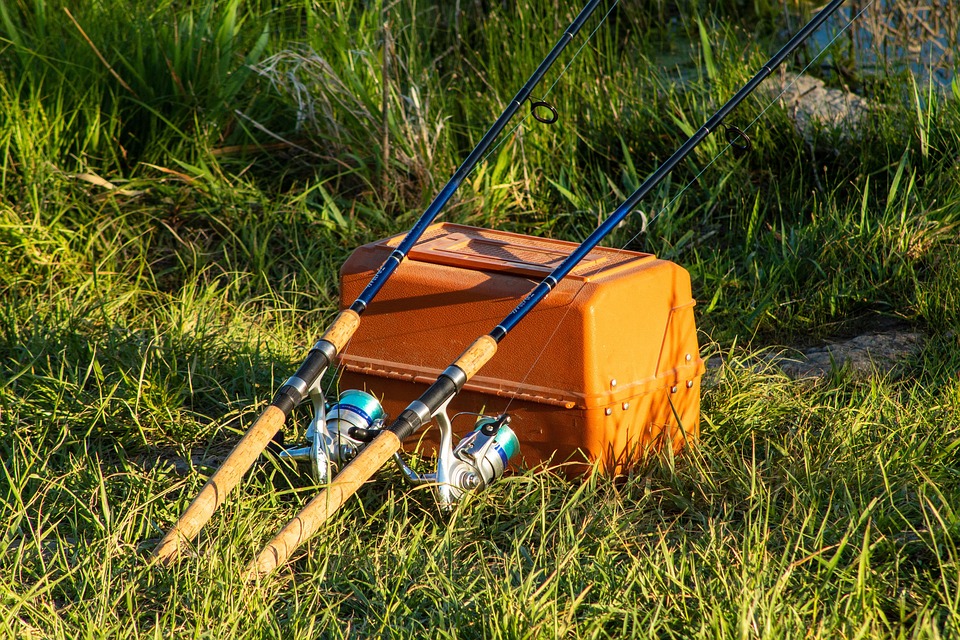
The choice of rod and reel is paramount. Here’s a brief overview:
Rods
- Spinning Rods: Great for beginners and versatile for various fishing conditions. They are lightweight and easy to handle.
- Baitcasting Rods: Typically offer greater control and accuracy but can be more challenging for beginners to master.
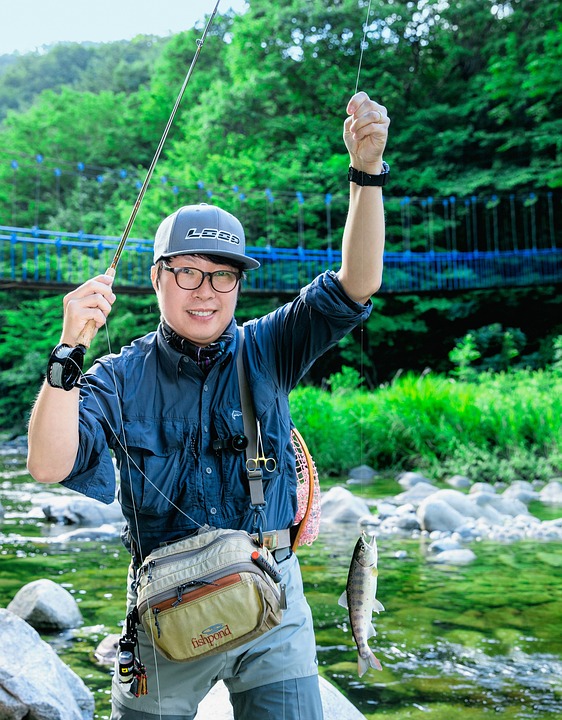
- Fly Rods: Designed specifically for fly fishing, these rods are lightweight and allow for delicate casts.
Reels
- Spinning Reels: Best for beginners due to ease of use. Line spools off smoothly, minimizing tangles.
- Baitcasting Reels: Offer greater precision but require practice to prevent backlash.
- Fly Reels: Used with fly rods, these reels are usually simple in construction, allowing for an easier learning curve.
Essential Casting Techniques
Mastering the casting techniques is key to success on the water. Here are some important methods:
The Overhead Cast
This is the most common style and works well for various fishing scenarios.
- Stand with your feet shoulder-width apart and hold the rod with both hands.
- With your dominant hand, lift the rod and angle it backward to a 2 o’clock position.
- As you flick your wrist forward, release the line when the rod reaches the 10 o’clock position.
The Sidearm Cast
This style is helpful when fishing in confined spaces, like under trees.
- Hold the rod in line with your shoulder.
- Swing the rod to the side and release the line at the point where your rod arm is fully extended.
The Pitching and Flipping Technique
Used primarily when fishing in heavy cover, like weeds or submerged structures.
- With the reel engaged, hold the line with your index finger and position the lure close to the rod tip.
- Snap your wrist to let the lure drop vertically and land softly.
Ideal Casting Conditions
The success of your casting can depend heavily on external conditions. Pay attention to:
- Wind: Casting into the wind may require additional power, while casting with the wind may require less.
- Water Conditions: Calm waters present different casting challenges than choppy waters.
- Time of Day: Early mornings and late afternoons are often the best times to fish.
Common Mistakes and How to Avoid Them
As a beginner, it’s common to make mistakes while casting. Here are a few traps to avoid:
- Incorrect Grip: A loose grip can lead to inaccurate casts. Ensure your hands are placed properly on the rod.
- Improper Release: Releasing the line too early or too late can affect the distance.
- Not Practicing: Regular practice will improve your casting technique significantly.
Additional Tips for Success
Here are a few more tips to maximize your casting efficiency and overall fishing experience:
- Practice: Spend time at a local park or fishing pond to practice your casting without the pressure of catching fish.
- Observe Experienced Anglers: Watching proficient fishers can provide invaluable insights on technique and strategy.
- Stay Impeccable with Gear Maintenance: Ensure that your reel is well-lubricated and free of tangles to avoid issues while casting.
Conclusion
Successfully casting a fishing line isn’t just about technique; it’s about understanding your equipment and adapting to your environment. By mastering the basics of casting, beginners can significantly increase their chances of success on the water, transitioning from novice to adept anglers. With patience, practice, and a willingness to learn, anyone can find joy and accomplishment in the art of fishing. So grab your rod, practice your casting techniques, and immerse yourself in the serene world of fishing.
FAQs
What type of fishing rod is best for beginners?
Spinning rods are generally recommended for beginners due to their versatility and ease of use.
How can I improve my casting distance?
Focusing on proper technique, like your grip and wrist motion, can help enhance your casting distance.
Is it important to match my line to my rod and reel?
Yes, using the right line for your rod and reel type ensures smooth performance and reduces the risk of tangles and breakage.
What should I do if my line gets tangled?
Stay calm and carefully unwind the line, checking for any snags or knots. Regular maintenance and careful casting can help reduce tangles.
How often should I practice casting?
Regular practice is key; even 30 minutes a week can vastly improve your skills over time.
- beginner bass fishing
- beginner carp fishing
- beginner catfish fishing
- beginner fishing advice
- beginner fishing baits
- beginner fishing gear
- beginner fishing guides
- beginner fishing guides online
- beginner fishing knots
- beginner fishing lures
- beginner fishing mistakes
- beginner fishing reels
- beginner fishing rods
- beginner fishing strategies
- beginner fishing techniques
- beginner fishing tips
- beginner fishing trips
- beginner fishing tutorials
- beginner fishing videos
- beginner fly fishing
- beginner freshwater fishing
- beginner muskie fishing
- beginner panfish fishing
- beginner pike fishing
- beginner saltwater fishing
- beginner trout fishing
- fishing basics
- fishing for beginners
- how to fish
- new anglers tips








Leave a comment