














Fly fishing is more than just a means to catch fish; it is an art form that combines skill, patience, and an understanding of nature. As one of the most rewarding outdoor activities, mastering fly fishing techniques can open a world of adventurous possibilities for anglers of all levels. Whether you are a novice casting in your local stream or a seasoned pro anxious for the thrill of the next big catch, perfecting your cast is crucial to your success.
The Fundamentals of Fly Fishing Casting
At its core, fly fishing involves casting a weighted line to deliver a lightweight fly to fish. The primary goal of a cast is to present the fly in a way that mimics the natural movement of insects on the water’s surface. The art of casting can be broken down into three main components: the stance, the rod motion, and the casting plane.
Stance
Your stance sets the foundation for a successful cast. Proper alignment provides balance and stability while allowing for a fluid motion. The typical stance involves placing your feet shoulder-width apart, leaning slightly forward, and positioning your body perpendicular to the target. Always maintain a relaxed posture to prevent fatigue while casting for extended periods.
Rod Motion
The motion of the rod is the heart of fly casting. There are two primary movements: the back cast and the forward cast. Both should be executed with precision.
- Back Cast: This involves lifting the rod behind you. As you pull the line back, it should load the rod with energy, which then enables a powerful delivery of the fly during the forward cast.
- Forward Cast: Releasing the tension of the rod allows the line to propel forward to the target. A common mistake here is rushing this part of the cast, potentially leading to tangles or missed targets.
Casting Plane
The casting plane is the imaginary line along which your rod moves. Keeping your rod tip in a straight line creates a more accurate cast. Aim to keep the rod tip low during the backcast, then elevate it sharply before transitioning into the forward cast. This fluid motion creates a seamless transfer of energy, ensuring that your line and fly move naturally through the air.
Common Casting Techniques
As with any art form, there are several techniques that offer unique advantages depending on the fishing scenario. Below are some common casting techniques every fly fisherman should learn.
Overhead Cast
The overhead cast is the most basic and widely used technique among fly fishers. It is effective for achieving distance and accuracy. To perform this cast:
- Begin with a back cast.
- Once you feel the line loading, bring the rod forward, releasing the line and allowing the fly to land gently on the water’s surface.
Roll Cast
This technique is particularly useful in tight spaces where a traditional back cast is challenging. The roll cast uses the water’s surface tension to enable you to launch a fly without a back cast. To perform it:
- Point your rod tip down to the water, lifting it slightly to create a small loop.
- When the line is fully extended, flick the rod forward to send the fly out.
Sidearm Cast
The sidearm cast is utilized when fishing in windy conditions or when you want to avoid obstacles overhead. It requires tilting the rod at a 45-degree angle. The mechanics are similar to the overhead cast but involve a lateral trajectory.
Casting for Different Situations
Different fishing environments often require various casting techniques. Learning to adapt your approach can significantly improve your success rate.
Still Water
In still water situations like ponds or lakes, a long, smooth cast is ideal. Fish in these environments tend to be more skittish. Focus on accuracy to land your fly gently near structures like lily pads or fallen branches where fish are likely to hide.
Moving Water
When casting in rivers or streams, the current plays a significant role. Utilize techniques like the roll cast to navigate around obstacles. When casting upstream, allow your fly to drift down with the current, mimicking natural movement.
Windy Conditions
Wind can complicate fly fishing. When facing headwinds, you may need to shorten your cast and employ a more deliberate motion to maintain control. Conversely, backcasting can provide leverage against crosswinds, enabling longer and more accurate casts.
Equipment Matters
While casting techniques are paramount, your equipment also significantly affects your performance. Selecting the right rod, line, and fly is essential for mastering the art of the cast.
Rods and Lines
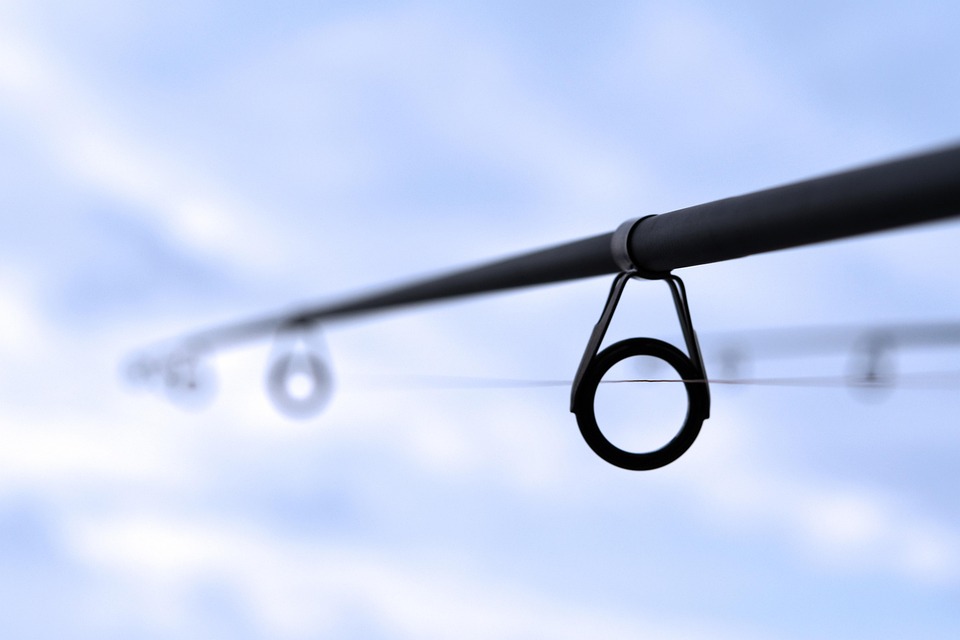
Fly rods come in various lengths and weights, which should match the type of fishing you plan to do. A heavier line is suited for larger flies or in windy conditions, while lighter lines are better for delicate presentations. Consider the following when selecting your equipment:
- Length: Longer rods can provide greater distance but may be harder to control, while shorter options are easier for beginners.
- Weight: Choose a rod weight that complements the line weight for optimal performance. A mismatch can lead to casting difficulties.
Flies
The fly you choose should imitate the local forage fish are feeding on. Familiarize yourself with the aquatic insect life cycle to match the hatch effectively. Adjustable flies based on fishing conditions can dramatically improve your chances of success.
Practice Makes Perfect
Like any art, the key to mastering fly fishing is consistent practice. Set aside time to work on your casting techniques. Find an open space, practice different types of casts, and experiment with varying distances and angles. Consider video-taping your sessions for review, or joining a local fly fishing club for constructive feedback and community support.
Conclusion
Mastering the art of the cast in fly fishing requires dedication, practice, and understanding of the natural environment. By honing your casting techniques and adapting to various fishing situations, you can enhance both your skills and enjoyment of this timeless outdoor activity. Both novices and veteran anglers can benefit from revisiting these fundamental principles and techniques to find success on the water. So pick up your rod, tie on your favorite fly, and enjoy the inspiring journey of fly fishing.
FAQs
1. What is the best way to learn fly casting?
The best way to learn fly casting is through a combination of professional instruction, manning local workshops, and practicing regularly on your own. Observing experienced fishermen can provide valuable insights.
2. How can I improve my fly casting accuracy?
Focus on the casting plane and make sure to use slow, measured movements. Practice casting at targets to enhance your accuracy. Furthermore, consider using an app or device that tracks your casting techniques.
3. What type of line should I choose for fly fishing?
Your line choice should depend on the rod, the type of fish you’re targeting, and the fishing conditions. Generally, weight forward floating lines are versatile for beginners. Match your line weight to your rod for optimal results.
4. How often should I practice casting?
Set aside time to practice casting at least once a week, especially leading up to your fishing trips. Short, frequent sessions are often more beneficial than long, infrequent practices.
5. Does wind affect my fly casting technique?
Yes, wind can significantly alter your casting technique. In strong winds, focus on keeping your cast low and shortening the distance to maintain control. Adjust your technique according to the wind’s direction.
- advanced fly fishing
- bass fly fishing
- dry fly fishing
- fly casting techniques
- fly fishing
- fly fishing destinations
- fly fishing flies
- fly fishing for beginners
- fly fishing gear
- fly fishing guides
- fly fishing reels
- fly fishing rivers
- fly fishing rods
- fly fishing species
- fly fishing techniques
- fly fishing tips
- fly tying
- fly tying patterns
- freshwater fly fishing
- lake fly fishing
- nymph fishing
- river fly fishing
- salmon fly fishing
- saltwater fly fishing
- steelhead fly fishing
- stream fly fishing
- streamer fishing
- trout fly fishing
- wet fly fishing
- worldwide fly fishing











Leave a comment