

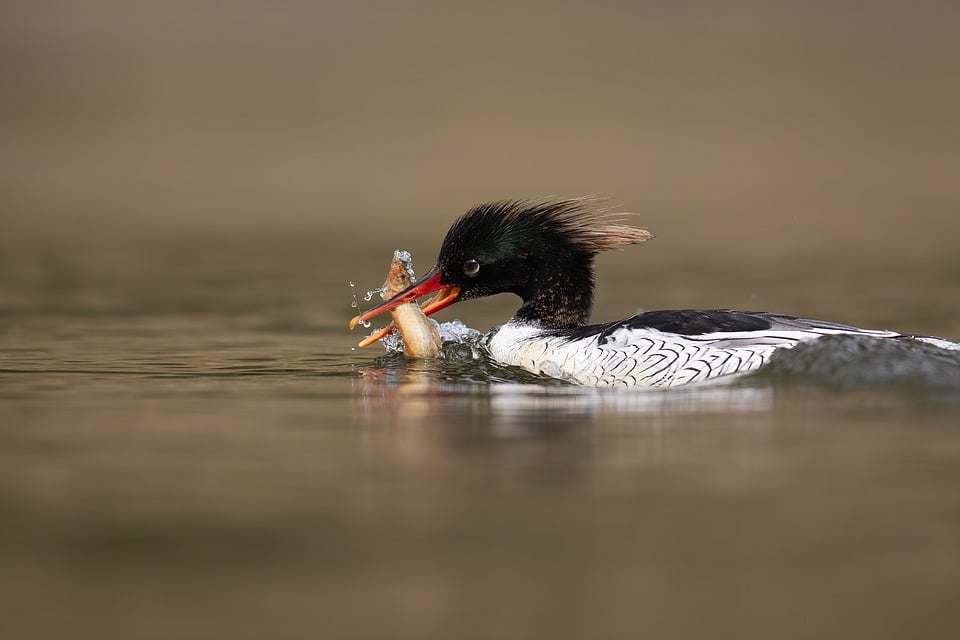










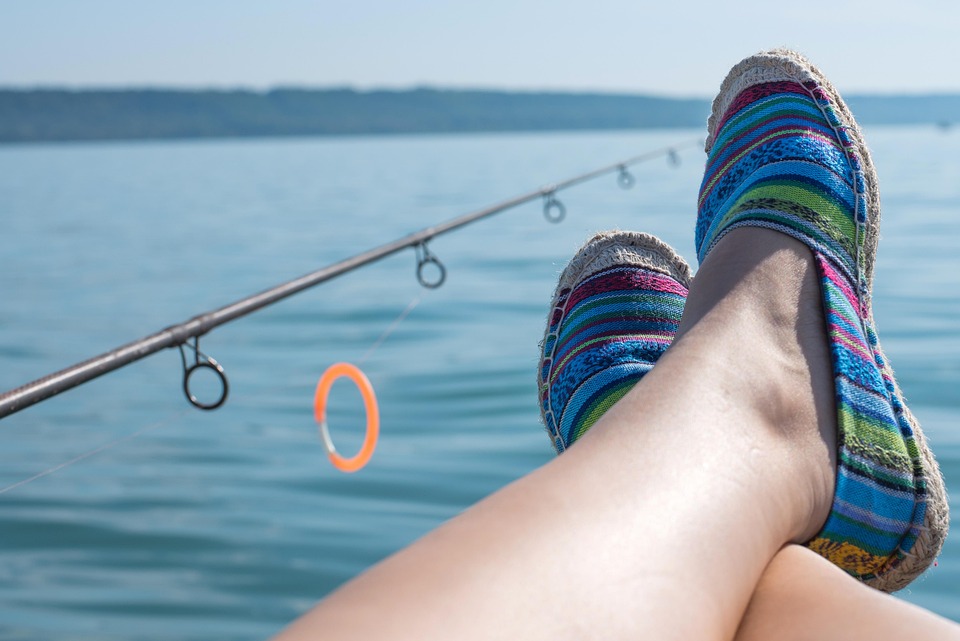

Fishing, for many, is more than just a hobby; it’s a passion that connects us to nature and tests our skills. Among the vast species of fish, aggressive ones offer an exhilarating challenge, often striking with speed and ferocity. Yet, to successfully hook these audacious fighters, it’s essential to choose the right lures and baits. In this guide, we’ll explore some of the best options available, providing insight into their effectiveness, usage, and when to deploy them.
Understanding Aggressive Fish
Aggressive fish, such as bass, pike, musky, and certain types of salmon, are characterized by their voracious appetites and willingness to chase down prey. Understanding their behavior can significantly impact how successful a fishing expedition will be. Here are some traits of aggressive fish:
- They are opportunistic feeders, often hunting in shallow waters.
- They respond well to movement and noise in the water.
- They are territorial, often protecting their spawning grounds.
Types of Lures and Baits for Aggressive Fish
1. Crankbaits
Crankbaits are hard-bodied lures that mimic the movement of distressed prey. They are ideal for aggressive fish species because of their ability to create vibrations and erratic movements in the water. They come in various shapes, sizes, and colors. Here are some advantages:
- Great for covering large areas of water rapidly.
- Effective in various depths, depending on the model.
- Available in both floating and sinking varieties.
2. Spinnerbaits
Spinnerbaits consist of a metal blade that creates flash and vibrations when retrieved. The unique design allows these lures to be fished in heavy cover without snagging. When targeting species like bass or pike, spinnerbaits are a must:
- They can be retrieved at varying speeds.
- Versatile, suitable for both calm and windy conditions.
- They can trigger a reaction strike from aggressive fish.
3. Jigs
Jigs are a classic in the angler’s arsenal and can be remarkably effective for aggressive fish. They consist of a weighted head and a hook, sometimes adorned with a soft plastic or feather. Here’s why jigs work:
- Can be fished in cover, increasing chances of triggering bites.
- Excellent for vertical fishing in deeper waters.
- Customizable with various trailers for added attraction.
4. Topwater Lures
Topwater fishing can be thrilling, especially when targeting aggressive fish. These lures float on the surface and create a disturbance that resembles struggling prey. Types include poppers, walkers, and frogs:
- They generate explosive hits, adding excitement to the experience.
- Great for early morning or late evening fishing.
- Effective in shallow waters where aggressive fish tend to hunt.
5. Soft Plastics
Soft plastic baits such as worms, creatures, and swimbaits mimic various prey and can be rigged in multiple styles. Their flexibility and lifelike movement can entice even the pickiest of aggressive fish:
- The ability to finesse the presentation allows for enticing bites.
- Popular styles include Texas rigged, Carolina rigged, and drop shot.
- Can be used in various environments, from shallow flats to deep structures.
6. Live Bait
Nothing beats the effectiveness of live bait when it comes to hooking aggressive fish. Options like minnows, shad, and nightcrawlers provide an irresistible feast that most fish cannot resist. Here are some points to consider:
- More natural presentation increases the likelihood of strikes.
- Live bait can adapt to the mood and feeding patterns of fish.
- Requires additional skills, such as proper rigging and handling.
Techniques for Using Lures Effectively
Choosing the right lure or bait is only the first step. The technique you employ can make all the difference. Here are some methods to maximize your effectiveness:
1. Retrieve Speed
Experiment with your retrieval speed. Aggressive fish often strike when they perceive something as prey. Faster retrieval can trigger instinctive reactions, while slower might appeal to cautious feeders.
2. Depth Control
Understanding where fish are located based on time of day, season, and weather conditions is crucial. Use lures that can be retrieved at varying depths, adjusting according to where aggressive fish might be feeding.
3. Cover Structure
Aggressive fish often hang around structures such as rocks, fallen trees, and vegetation. Cast your lures near these areas to increase your chances of success. Jigs and spinnerbaits are especially useful for fishing in heavy cover.
4. Experiment with Colors
The color of your lure can have a significant impact on your success. Bright colors may work better in murky waters, while more natural hues can be effective in clear conditions. Don’t be afraid to change colors if bites are slow.
Location Matters: Where to Find Aggressive Fish
Knowing where to fish is as important as knowing how to fish. Here are some prime locations for targeting aggressive species:
- Rivers and Streams: Fast-moving water often holds aggressive fish like pike and trout, especially where current meets calmer waters.
- Lakes: Look for drop-offs, submerged structures, and weed beds. These areas provide hiding spots for predatory fish.
- Estuaries: The transition from saltwater to freshwater creates a rich environment for feeding, attracting various aggressive species.
- Coastal Regions: Species such as tarpon and snook can be targeted with the right lures in surf zones and near estuaries.
Conclusion
Fishing for aggressive species can be one of the most exhilarating experiences in the angler’s world. By understanding the types of lures and baits available and combining them with effective techniques, you can significantly increase your odds of landing that prized catch. Whether you’re casting crankbaits in a secluded lake or dropping jigs in a raging river, remember that each fishing trip is unique, and adaptation is key. As you refine your approach, the thrill of hooking an aggressive fish will become even more rewarding, driving you to return time and again.
Frequently Asked Questions (FAQs)
What is the best time of day to fish for aggressive fish?
The best times are generally early morning and late evening, as fish are more active during these periods. However, aggressive fish can be caught throughout the day, especially in overcast conditions.
What depth should I target when fishing for aggressive species?
Depths vary based on species and environmental conditions, but focusing on deeper areas near shallow feeding zones can yield great results. Always adjust your lure depth according to the conditions.
How often should I change lures while fishing?
If you’re not getting bites, consider changing your lure every 15-30 minutes. Experiment with different colors, shapes, and sizes until you find what works best in that specific situation.
Are certain lures better for specific types of aggressive fish?
Yes, certain lures are more effective for particular species. For example, crankbaits work well for bass, while spinnerbaits are often favored for pike. It’s essential to research the preferences of the species you’re targeting.
Should I use live bait or artificial lures?
Both can be effective, depending on the situation and your personal preference. Live bait often provides a more natural presentation, while lures can be easier to manage and offer a variety of action to entice bites.
- advanced predator fishing
- aggressive fish fishing
- barracuda fishing
- barracuda lure fishing
- freshwater predator fishing
- large predator fishing
- muskie fishing
- muskie lure fishing
- pike fishing
- pike lure fishing
- predator angling
- predator fishing
- predator fishing baits
- predator fishing destinations
- predator fishing for beginners
- predator fishing gear
- predator fishing guides
- predator fishing lures
- predator fishing reels
- predator fishing rigs
- predator fishing rods
- predator fishing seasons
- predator fishing spots
- predator fishing tactics
- predator fishing techniques
- predator fishing tips
- predatory fish fishing
- saltwater predator fishing
- zander fishing
- zander jigging









Leave a comment