















Catfish fishing is a thrilling endeavor that combines patience, skill, and just the right techniques to yield a bountiful catch. While catfish can be found in various waters over multiple seasons, there are certain factors and strategies that determine your success level. In this article, we will delve into essential tips and techniques to help both novice and seasoned anglers master the catch.
Understanding Catfish Species
Before you cast your line, it’s crucial to understand the different species of catfish. The three most prevalent types are:
- Channel Catfish: Known for their adaptability, these catfish are prevalent in rivers, lakes, and reservoirs, easily recognized by their long, slender bodies.
- Blue Catfish: These giants can reach very large sizes, often weighing over 100 pounds. They thrive in rivers and are known for their stamina when hooked.
- Flathead Catfish: Distinguished by their flat heads, these fish are typically found in rivers and prefer structure, such as submerged logs or rocks.
Timing and Location
Understanding when and where to fish is half the battle. Catfish are known to be more active during certain times:
- Time of Day: Catfish are primarily nocturnal, so early mornings and evenings are ideal for fishing. However, they can also be caught during the day.
- Seasons: Spring and summer are peak times for catfish fishing, as they are actively feeding to prepare for spawning. Fall can also yield good catches, while winter conditions can make fishing more challenging.
As for location, catfish tend to hang around structures. Look for:
- River bends
- Deep holes
- Underwater structures like logs, rocks, and vegetation
Tackle and Gear Essentials
Investing in the right tackle and gear can significantly improve your chances of catching catfish. Here’s what you need:
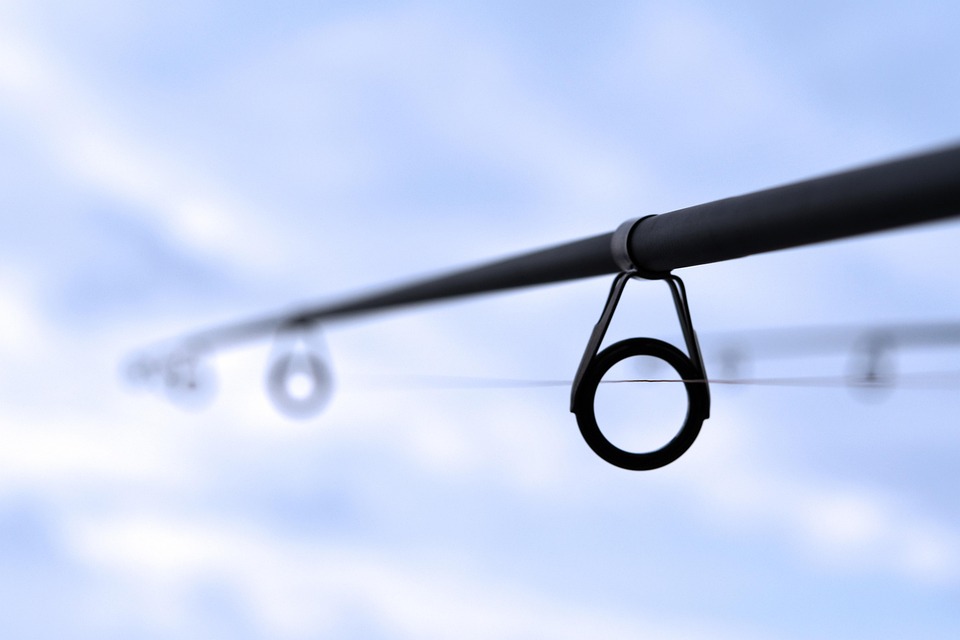
- Rod and Reel: A medium to heavy action rod of 7-10 feet is ideal for larger catfish. Pair it with a quality reel that has a strong drag system.
- Line: Use a 15-30 lb braided line for its sensitivity and strength, especially useful when reeling in bigger fish.
- Hooks: Circle hooks are highly recommended, as they allow for better hook sets and minimize damage to the fish.
Bait Selection
Choosing the right bait can make a world of difference when catfishing. Here are some popular options:
- Live Bait: Bluegill, shad, and minnows are highly effective live bait for catfish; their natural movement attracts these fish.
- Cut Bait: Using pieces of cut fish can be especially successful, as the blood and scent attract catfish even from a distance.
- Stink Bait: Commercial stink baits and homemade recipes often work wonders, appealing to the catfish’s keen sense of smell.
Technique Tips
Now that you’ve got your gear and bait, it’s time to employ effective fishing techniques:
- Bottom Fishing: Most catfish are bottom dwellers, so ensure your bait is near the bottom where they forage for food.
- Drift Fishing: Allow your bait to drift with the current, covering more ground and enticing catfish that might be hiding in structure.
- Still Fishing: Anchor your boat, if necessary, and let your bait sit. Patience is crucial for success.
Catch and Release Practices
For those looking to practice conservation, learn effective catch and release techniques:
- Use barbless hooks when possible to decrease damage.
- Wet your hands before handling the fish to protect their slime coating.
- Minimize the time the fish is out of the water, and use a landing net to ensure a safer transfer back to the water.
Safety and Regulations
Before heading out, it’s essential to familiarize yourself with local fishing regulations regarding catfish. This includes:
- Size and bag limits
- Permitted fishing methods
- Seasonal restrictions
Additionally, ensure you have the necessary fishing licenses, and always prioritize safety on the water with the right gear, weather checks, and hydration.
Conclusion
Mastering catfish fishing requires more than just luck; it demands knowledge, patience, and the right techniques. Understanding the species, optimizing your gear, selecting the right bait, and using effective fishing techniques all contribute to a fruitful fishing experience. As the old adage goes, “You’ll never fish if you don’t try,” so gather your tackle, head to your favorite spot, and enjoy the adventure that awaits.
FAQs
1. What is the best time of year for catfishing?
Spring and summer are the best times for catfishing, as catfish are more active in these warmer months. Early morning and late evening tend to be particularly fruitful times for fishing.
2. Can I catch catfish during the day?
Yes, while catfish are primarily nocturnal, they can still be caught during the day, especially in deeper waters or shaded areas.
3. What is the best bait for catfish fishing?
The best baits include live bait like shad and bluegill, cut bait, or commercially prepared stink baits. Their smells attract catfish effectively.
4. Do I need a fishing license to catch catfish?
Yes, most regions require an appropriate fishing license. Check local regulations to ensure compliance.
5. What is the best way to release a catfish after catching?
Use wet hands, minimize the time out of water, and gently return the fish to its habitat to ensure a successful release.
- advanced catfish fishing
- blue catfish fishing
- catfish angling
- catfish bait
- catfish fishing
- catfish fishing for beginners
- catfish fishing gear
- catfish fishing guides
- catfish fishing reels
- catfish fishing rods
- catfish fishing seasons
- catfish fishing spots
- catfish fishing tactics
- catfish fishing techniques
- catfish fishing tips
- catfish hooks
- catfish rigs
- catfish species
- channel catfish fishing
- cut bait catfish fishing
- deep water catfish fishing
- flathead catfish fishing
- lake catfish fishing
- live bait catfish fishing
- monster catfish fishing
- night catfish fishing
- river catfish fishing
- shallow water catfish fishing
- stink bait catfish fishing
- trophy catfish fishing
















Leave a comment