















Zander (Sander lucioperca) is a predator fish native to Central and Eastern Europe and is increasingly becoming popular amongst anglers. Known for its tasty flesh and the thrill it provides during fishing, mastering zander fishing can be both rewarding and challenging. This guide aims to provide you with everything you need to know about bait, tackle, and tricks for successful zander fishing.
Understanding the Zander
The zander, often referred to as pike-perch, is a member of the perch family and is known for its elongated body, sharp teeth, and beautiful coloration ranging from olive green to silver. They can grow significantly large—up to 1.5 feet long—and are often found in freshwater rivers, lakes, and reservoirs.
What makes zander fishing unique is their feeding behavior. Zander are nocturnal, which means they are most active after dusk and at dawn. They thrive in waters with abundant baitfish, making it essential to understand their patterns and behaviors to increase your chances of a successful catch.
Bait: What Works Best?
Choosing the right bait can make or break your zander fishing experience. Here are some of the most effective bait options:
Live Bait
- Roach and Rudd: These small fish are natural prey for zander. Hook them live on a suitable rig for the best results.
- Shiners: Another live option that zander find irresistible.
Dead Bait
If live bait isn’t available, consider using dead bait. Use fish like herring or mackerel, cut into appropriate sizes. Dead baits work well when the zander are inactive.
Artificial Lures
Artificial lures can be very effective in mimicking the movement of prey fish. The following lures are particularly popular:
- Soft Plastics: Choose shad or worm-shaped soft plastics that can be jigged along the bottom.
- Spinnerbaits: These can create additional noise, attracting zander even in murky waters.
- Jerkbaits: These lures can replicate distressed fish and provoke strikes from hungry zander.
Tackle: Essential Gear for Zander Fishing
The tackle you use also significantly impacts your fishing experience. Here are some essential tackle components:
Rods
When selecting a rod for zander fishing, it’s crucial to choose one that is sensitive yet sturdy enough to handle larger fish. Look for:
- Length: A 7 to 8-foot rod provides ample casting distance and control.
- Action: A medium to medium-heavy action rod allows for better hook sets.
Reels
Choose a spinning reel that can handle a good amount of line. Look for reels with a solid drag system and a line capacity of around 200 yards of 10 to 15 lb test line.
Line
Monofilament lines are a popular choice, but braided lines offer a higher sensitivity and fewer chances of breakage. A 10 to 20 lb braided line is often ideal for zander fishing.
Hooks
Using the right hook is crucial for successfully landing zander. A range of hook sizes from 1/0 to 3/0 will work well, depending on your bait size.
Techniques and Tricks for Success
While having the right gear is essential, knowing effective techniques will greatly enhance your chances of catching zander:
Time of Day
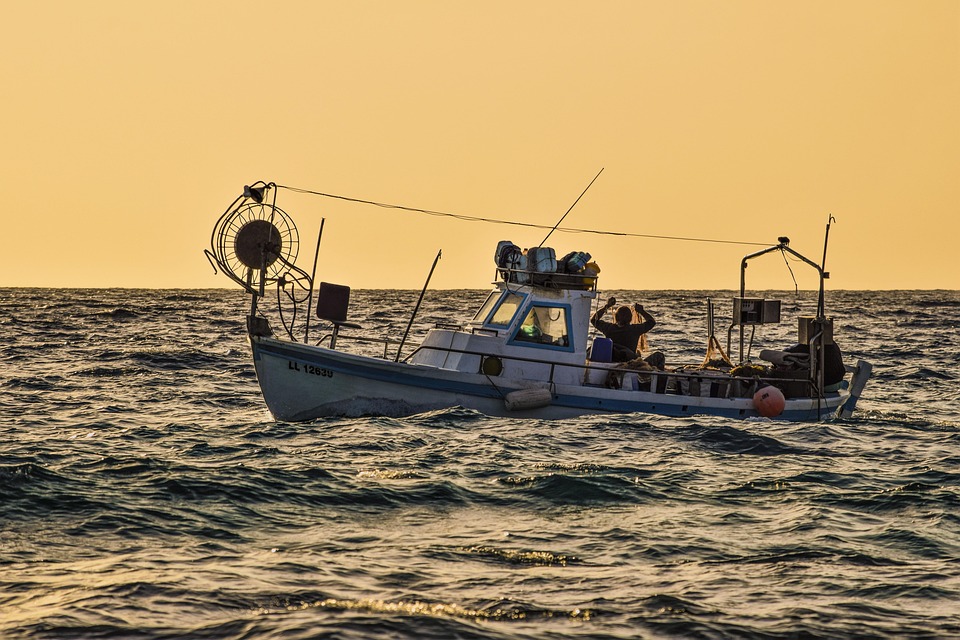
As mentioned earlier, zander are most active during low light conditions—dawn and dusk. Plan your fishing trips for these times for maximum effectiveness.
Find Structure
Zander often hide near underwater structures such as rocks, submerged logs, or vegetation. Look for these areas when searching for potential fishing spots.
Vertical Jigging
Vertical jigging is a popular technique for targeting zander. Drop your lure straight down to the bottom and gently jig it. This mimics the movement of injured fish and can be highly effective.
Trolling
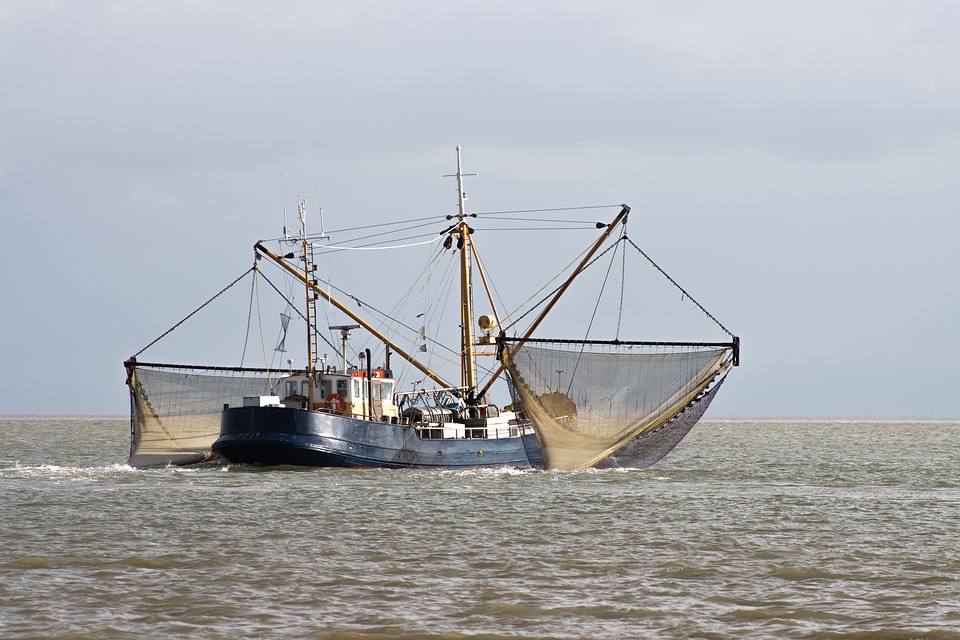
Another effective technique is trolling. By slowly dragging your bait or lure behind a moving boat, you can cover more water and increase your chances of finding active zander.
Conclusion
In conclusion, zander fishing can be a fulfilling yet challenging activity. With the right knowledge about bait, tackle, and techniques, you can significantly improve your chances of landing this impressive predator fish. Remember to be patient, observe your surroundings, and adapt your strategies as needed. The thrill of zander fishing awaits, and with this guide in hand, you’re well-equipped to tackle any fishing excursion.
FAQs
1. What is the best time of year to fish for zander?
The best times for zander fishing are typically in spring and autumn when they are more active. However, they can be caught year-round, especially during their active hours.
2. Do zander have a preferred water temperature?
Zander prefer water temperatures between 15°C and 25°C. They become less active in colder waters.
3. Are zander safe to eat?
Yes, zander is a tasty fish palatable for most people. However, it’s essential to check local guidelines regarding size and bag limits.
4. How can I properly release zander?
If you plan to release zander, use wet hands to handle them and minimize the time they spend out of water. This helps reduce stress and increases their chances of survival.
5. What are the common predators of zander?
While adult zander have very few natural predators, young zander can fall prey to larger fish, birds, and even eels.
- advanced predator fishing
- aggressive fish fishing
- barracuda fishing
- barracuda lure fishing
- freshwater predator fishing
- large predator fishing
- muskie fishing
- muskie lure fishing
- pike fishing
- pike lure fishing
- predator angling
- predator fishing
- predator fishing baits
- predator fishing destinations
- predator fishing for beginners
- predator fishing gear
- predator fishing guides
- predator fishing lures
- predator fishing reels
- predator fishing rigs
- predator fishing rods
- predator fishing seasons
- predator fishing spots
- predator fishing tactics
- predator fishing techniques
- predator fishing tips
- predatory fish fishing
- saltwater predator fishing
- zander fishing
- zander jigging









Leave a comment