
















Fishing reels are more than just tools; they are extensions of our very souls as anglers. Just as a painter selects the right brush, a fisherman must choose the right reel to create their masterpiece on the water. This article dives deep into the various types of fishing reels, their unique characteristics, and best use cases to help you make an informed decision.
The Importance of Choosing the Right Reel
Picking the appropriate fishing reel is crucial as it affects your casting distance, control, and the overall enjoyment of your fishing experience. A poor choice can lead to frustrating tangles, lost fish, and a day that falls short of expectations.
The market offers a dizzying array of reels, each tailored for different styles of fishing. Let’s explore the primary types of fishing reels: spinning reels, casting reels, fly reels, and others. By understanding their unique features, you can enhance your fishing prowess and elevate your adventures on the water.
Spinning Reels
Spinning reels are among the most popular types of fishing reels, favored by beginners and experienced anglers alike. They are characterized by an open-faced design, which allows the line to unwind easily as you cast.
Features
- Drag System: Powerful and adjustable drag systems allow you to control line tension easily.
- Versatility: Spinning reels can handle a variety of fishing techniques, making them a great all-around option.
- Ease of Use: Simple mechanics make them beginner-friendly.
Best Uses
Spinning reels excel in freshwater fishing, particularly for species like bass, trout, and panfish. They are also effective in saltwater environments for catching smaller fish like snappers and jacks.
Baitcasting Reels
Baitcasting reels are designed for experienced anglers. They offer better accuracy and are ideal for targeting larger, stronger fish.
Features
- Precision: The mechanism allows for pinpoint casts, making it a favorite for those who fish in heavy cover.
- Gear Ratios: Varied gear ratios enable anglers to control the retrieval speeds based on the targeted fish species.
- Durability: Typically made of robust materials, baitcasting reels can withstand tougher environments.
Best Uses
Baitcasting reels shine in the pursuit of larger freshwater and saltwater game fish, such as pike, musky, and tarpon.
Fly Reels
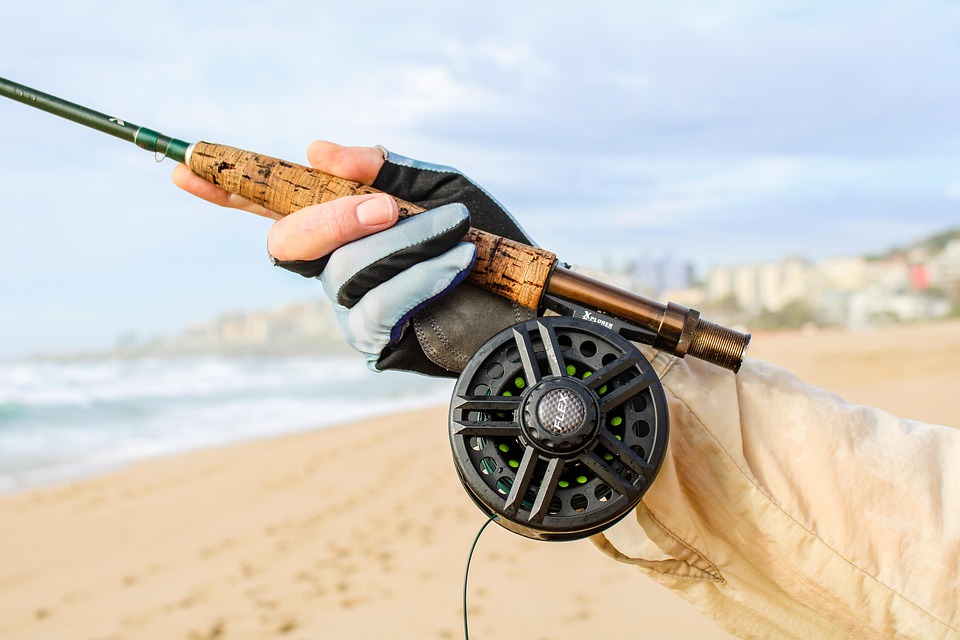
Fly reels are unique in their design and function, focusing primarily on fly fishing techniques. They mainly serve to store line and control drag.
Features
- Simplicity: Many fly reels have a straightforward, open design that supports easy line retrieval.
- Drag Mechanism: Drag systems are often adjustable, allowing for smooth line tension during fights with fish.
- Lightweight Construction: Constructed from lightweight materials to balance with the fly rod.
Best Uses
Fly reels are indispensable for fly fishing, targeting species like trout, salmon, and steelhead in both freshwater and saltwater.
Other Types of Fishing Reels
While spinning, baitcasting, and fly reels account for the majority of fishing reels, other specialized types exist:
- Spincast Reels: Known for their simple design and ease of use, spincast reels feature a closed face and are perfect for novices.
- Trolling Reels: Designed for deep-water fishing, trolling reels often have larger spools to withstand the stress of pulling larger lures.
- Electric Reels: Ideal for deep-sea fishing, electric reels automate the reeling process, allowing for easy retrieval of large catches.
Key Considerations When Choosing a Fishing Reel
Choosing the right fishing reel requires consideration of several factors:
1. Fishing Environment
Are you fishing in freshwater or saltwater? Different environments may require specific types of reels.
2. Target Species
The size and behavior of your target fish can dictate your reel choice. Heavy-duty reels are suitable for larger species, while lighter reels are appropriate for smaller fish.
3. Reel Size
Different reel sizes correspond to different line capacities and drag systems. Ensure that the reel you choose accommodates your fishing needs.
4. Budget
Prices can vary significantly based on brand and features. Set a budget that allows for a quality reel while also considering your frequency of fishing.
Maintenance Tips for Fishing Reels
Once you’ve invested in a quality fishing reel, proper maintenance is vital for longevity:
- Cleaning: Rinse your reel in freshwater after each use to remove salt and debris.
- Lubrication: Regularly lubricate moving parts to avoid corrosion and wear.
- Storage: Store your reels in a cool, dry place, preferably in a protective case.
Wrapping Up: Choosing Your Ideal Fishing Reel
Fishing is not just about catching fish; it’s also about the experience of being in nature, the thrill of the catch, and the camaraderie with fellow anglers. The right fishing reel can enhance this experience significantly. By understanding the various types of reels available and their specifications, you are well on your way to selecting the perfect gear for your next fishing adventure.
Remember to consider the environment, your target species, and your personal comfort when making your selection. No matter which type you choose, each encounter on the water is a chance to connect with nature and yourself.
FAQs
1. How do I know which fishing reel is best for beginners?
Spinning reels are typically recommended for beginners due to their ease of use and versatility. They work well in various fishing conditions.
2. Can I use a baitcasting reel in saltwater?
Yes, if properly maintained and made from corrosion-resistant materials, baitcasting reels can be used in saltwater environments. Be sure to rinse them after each use.
3. What is the difference between a freshwater reel and a saltwater reel?
Saltwater reels are built from materials that withstand corrosion from saltwater. They may also have stronger drag systems to handle larger fish.
4. How often should I maintain my fishing reel?
It’s recommended to clean your reel after every fishing trip and to perform thorough maintenance at least once per season.
5. What is the best type of reel for fly fishing?
Fly reels are specifically designed for fly fishing and are your go-to choice for this technique, as they support the unique requirements of fly lines.
- fishing accessories
- fishing baits
- fishing crankbaits
- fishing electronics
- fishing fish finders
- fishing gear
- fishing gear guides
- fishing gear maintenance
- fishing gear reviews
- fishing GPS
- fishing hooks
- fishing jigs
- fishing knots
- fishing line types
- fishing lines
- fishing lures
- fishing reel types
- fishing reels
- fishing reels for beginners
- fishing rigs
- fishing rod guides
- fishing rods
- fishing rods for beginners
- fishing soft plastics
- fishing sonar
- fishing spinners
- fishing tackle
- fishing tackle boxes
- fishing tackle setup
- fishing tackle tips
















Leave a comment