









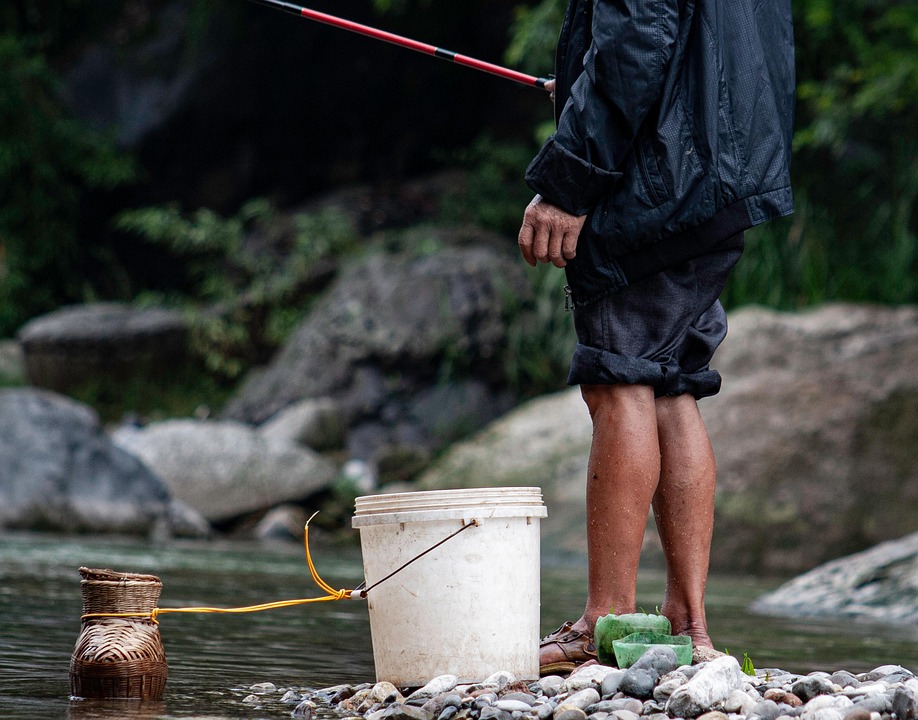










Fishing is more than just a hobby; for many, it’s a cherished tradition that brings people together and fosters a profound connection with nature. Whether you’re dreaming of castin’ lines in serene lakes or flowing rivers, one of the first and most essential pieces of equipment you’ll need is a fishing reel. With so many options out there, choosing the right reel can seem daunting, especially for beginners. This guide will help you navigate the world of fishing reels, ensuring you make a well-informed decision that fits your needs.
Understanding the Basics of Fishing Reels
A fishing reel is a mechanical device that allows anglers to wind, store, and release fishing line. There are several types of fishing reels, each designed for specific fishing styles, and understanding these types is crucial before making a purchase.
Types of Fishing Reels
- Spinning Reels: Ideal for beginners, spinning reels are simple to use. They allow for easy line casting and retrieval, and they can handle a wide variety of fishing situations, from freshwater to saltwater.
- Baitcasting Reels: These reels offer greater control over the line and are often used for larger fish. However, they have a steeper learning curve, making them less suited for beginners.
- Fly Reels: Designed for fly fishing, these reels help manage the line and the unique style of fly casting used to catch fish. They are specialized and may not be the best choice for newcomers.
- Spincast Reels: These reels combine the best features of spinning and baitcasting reels. They are user-friendly and great for novices, offering easy line management and good casting performance.
Key Features to Consider
Before purchasing a fishing reel, consider the following features that will impact your fishing experience:
Gear Ratio
The gear ratio refers to how many times the spool revolves with one turn of the handle. A higher gear ratio means faster retrieve speeds. For beginners, a ratio between 5:1 and 6:1 is ideal, as it offers a good balance between speed and control.
Drag System
The drag system controls the tension on the line when a fish pulls on it. A good drag system allows smooth line release without breaking the line. Look for reels with adjustable drag systems to customize the tension according to the type of fish you’re targeting.
Construction Material
Reels are generally made from either graphite or aluminum. Graphite reels are lightweight and corrosion-resistant, making them suitable for freshwater fishing. Aluminum reels, on the other hand, are more durable and better for saltwater.
Line Capacity
Ensure the reel can hold enough line for the type of fishing you plan to do. Most reels have a line capacity listed in pounds and yards, helping you determine if the reel suits your fishing needs.
Weight
Consider the weight of the reel, particularly if you’ll be fishing for extended periods. A lightweight reel will make your fishing experience more enjoyable, while a heavier model can be cumbersome over time.
Cost
Fishing reels come in a wide range of prices. For beginners, investing in a reel in the $50-$150 range is reasonable. These models usually offer good performance and reliability without breaking the bank.
Choosing the Right Fishing Reel for You
Your choice of fishing reel may also depend on several personal factors, including fishing style, target species, and location:
1. Identify Your Fishing Style
Are you planning to fish on a boat, from the shore, or in freshwater streams? Your fishing style will influence which reel is most suitable. For example, if you’re fishing from a boat, a baitcasting reel might be a better fit, while entry-level anglers fishing from the shore might prefer a spinning reel.
2. Consider Target Species
Different species of fish require different equipment. If you’re targeting smaller fish like trout or panfish, a light spinning reel will suffice. For larger species like bass or pike, a strong baitcasting reel may be necessary.
3. Understand the Environment
Your fishing environment plays a significant role in determining the suitable reel. Saltwater fishing typically requires more durable, corrosion-resistant reels, while freshwater fishing allows for a wider range of choices.
Top Recommendations for Beginners
Here are a few fishing reels highly rated for beginners:
- Pflueger President Spinning Reel: Known for its durability and smooth performance, it’s an excellent option for novices.
- Abu Garcia Black Max Baitcasting Reel: This reel offers a great balance of performance and affordability, making it suitable for aspiring baitcasters.
- Zebco 33 Spincast Reel: Perfect for young anglers or complete novices, this reel is user-friendly and effective for a range of fishing situations.
Care and Maintenance
A fishing reel is an investment, and proper care is essential to extend its lifespan:
- Regularly Clean Your Reel: After each fishing trip, rinse your reel with freshwater to remove dirt and salt. After cleaning, let it dry fully before storing.
- Lubricate Moving Parts: Use appropriate lubricant on the gears and other moving parts to prevent wear and tear.
- Check the Line: Regularly inspect your line for frays or damages and replace it when needed.
Conclusion
Your first fishing reel is an essential component in developing your fishing skills and enjoying the outdoors. As a beginner, it’s crucial to understand the types of reels available, the key features that make them different, and how to choose one that fits your style and skills. By considering your fishing environment, target species, and personal preferences, you’ll be well on your way to becoming a more proficient angler. Remember, fishing is as much about the journey as it is about the destination, so take your time, enjoy the process, and reel in the fun!
FAQs
1. What size reel should I buy?
Choose a reel size based on the type of fish you want to catch and your fishing environment. Generally, beginners can start with a medium-sized reel for versatility.
2. Can I use a spinning reel for saltwater fishing?
Yes, but ensure the spinning reel is made of durable materials that resist corrosion, like stainless steel or aluminum with protective coatings.
3. How do I know if my reel is properly set up?
Make sure the line is correctly spooled without any twists or loops, and verify that the drag system is correctly adjusted to prevent breaking the line when a fish pulls.
4. What’s the best way to learn to use a fishing reel?
The best way to learn is through practice. Consider watching tutorial videos or joining a local fishing group where experienced anglers can share tips and techniques.
5. How often should I maintain my fishing reel?
It’s best to maintain your reel after every fishing trip, especially if you fish in saltwater, which can cause corrosion and rust.
- beginner bass fishing
- beginner carp fishing
- beginner catfish fishing
- beginner fishing advice
- beginner fishing baits
- beginner fishing gear
- beginner fishing guides
- beginner fishing guides online
- beginner fishing knots
- beginner fishing lures
- beginner fishing mistakes
- beginner fishing reels
- beginner fishing rods
- beginner fishing strategies
- beginner fishing techniques
- beginner fishing tips
- beginner fishing trips
- beginner fishing tutorials
- beginner fishing videos
- beginner fly fishing
- beginner freshwater fishing
- beginner muskie fishing
- beginner panfish fishing
- beginner pike fishing
- beginner saltwater fishing
- beginner trout fishing
- fishing basics
- fishing for beginners
- how to fish
- new anglers tips










Leave a comment