










Introduction to Coastal Fishing
Coastal fishing is an adventure that combines the thrill of the catch with the tranquil beauty of the ocean. Along our coasts, a rich tapestry of marine life thrives, offering opportunities for both seasoned anglers and enthusiastic novices alike. Understanding the nuances of coastal fishing—its techniques, seasonal patterns, and ecological considerations—can elevate your experience from mere sport to an art form.
The Ecosystem of Coastal Waters
Coastal waters are dynamic ecosystems characterized by their proximity to land, which allows for a rich interaction between terrestrial and marine environments. This interface supports a diverse range of species, including fish, crustaceans, and marine mammals. Key elements of this ecosystem include:
- Estuaries: These are areas where freshwater from rivers meets saline ocean water, creating nutrient-rich habitats ideal for various fish species.
- Reefs: Coral and artificial reefs provide shelter and breeding grounds for countless marine organisms, making them hotspots for fishing.
- Sea Grass Beds: These underwater meadows serve as feeding grounds and nurseries for many species, including juvenile fish.
The importance of preserving these ecosystems is paramount, not only for the species that inhabit them but also for local economies that depend on fishing tourism and sustainability.
Essential Gear for Coastal Fishing
Having the right gear can make all the difference in your fishing experience. Here is a breakdown of essential items that every coastal angler should consider:
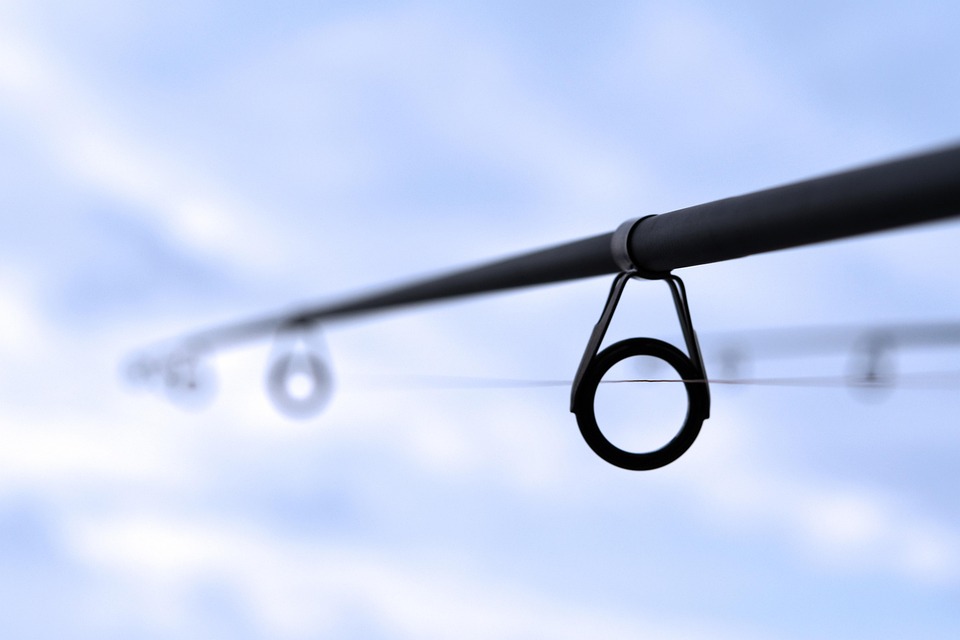
- Fishing Rod and Reel: A medium to heavy action rod (depending on the species targeted) paired with a durable spinning or baitcasting reel will serve well in coastal waters.
- Lines and Tackle: Use braided lines for strength and sensitivity, combined with a variety of tackle types, including hooks, sinkers, and lures that mimic local baitfish.
- Fishing License: Always ensure you comply with local regulations by obtaining the necessary fishing licenses and permits.
- Safety Gear: A life jacket, first aid kit, and communication device are crucial for safety while fishing offshore.
Techniques for Success
The techniques you employ can greatly influence your coastal fishing success. Here are a few tried-and-true methods:
1. Bottom Fishing
This technique involves dropping baited hooks to the seabed to catch bottom-dwelling species such as flounder or snapper. Knowing the seabed structure—coral, sand, or rock—can significantly impact your catch rate.
2. Trolling
Trolling involves slowly dragging bait or lures behind a moving boat. This method is effective for targeting pelagic species like tuna and marlin. Varying your speed and experimenting with lure colors can lead to productive results.
3. Fly Fishing
For those looking for a challenge, fly fishing offers an exciting way to catch species such as striped bass or sea trout. Choosing the right fly can be essential, as matching the local forage is key to enticing bites.
4. Surf Fishing
Fishing directly from the shore can be made productive by waiting for the right tides and using appropriate bait. Common catches include surf perch and whiting. Understanding the surf conditions can enhance your chances.
Seasonal Patterns in Coastal Fishing
Timing your fishing trips according to seasonal patterns can significantly boost your success. Knowing when certain species breed or school can help you hit the water at the right time.
Spring
As temperatures rise, fish begin their spawning activities. Species like striped bass migrate from deeper waters to shallower coastlines. Early morning or late evening are prime times to catch them.
Summer
Summer brings a wealth of opportunities, with many fish species active. This season is ideal for catching tuna, marlin, and other pelagic fish. Early mornings and late afternoons remain the best times for fishing.
Fall
As temperatures cool, fish begin to feed aggressively in preparation for winter. This is an excellent time to catch larger species, as they move closer to shore for easy access to prey.
Winter
Winter may seem slow, but fishing doesn’t cease. Species like sea bass can remain active in deeper waters. Targeting these fish often requires specialized techniques and gear.
Conservation and Eco-Friendly Practices
As stewards of the environment, anglers hold a significant responsibility in preserving coastal ecosystems. Here are some eco-friendly practices to adopt:
- Catch and Release: Practice catch-and-release to help maintain fish populations, especially for threatened species.
- Use Eco-Friendly Tackle: Opt for biodegradable fishing gear and avoid using lead weights that can harm marine life.
- Minimize Waste: Always clean up after yourself, properly disposing of any trash. Be mindful of the fishing regulations in your area and comply with seasonal closures.
Conclusion
Coastal fishing is not just about reeling in the big one; it’s an experience that connects us to nature and fosters appreciation for our marine ecosystems. By mastering the techniques, understanding the seasonal patterns, and adopting sustainable practices, anglers can enjoy a rewarding and responsible fishing experience. Whether you’re casting a line from a pier, venturing out on a boat, or wading through the surf, the secrets of coastal fishing are waiting to be discovered—one catch at a time.
FAQs about Coastal Fishing
- What is the best time to go coastal fishing?
- The best time typically depends on seasonal patterns, but early mornings and late afternoons are generally most productive year-round.
- What species can I catch while coastal fishing?
- Common species include striped bass, flounder, tuna, marlin, and various types of snapper and grouper, depending on your location.
- Do I need a fishing license?
- Yes, most areas require a fishing license to fish legally, especially when targeting specific species. Always check local regulations.
- How can I ensure I’m fishing sustainably?
- Practice catch and release, use eco-friendly tackle, and adhere to local fishing regulations, including size and bag limits.
- What gear do I need for coastal fishing?
- A good quality rod and reel, appropriate lines and tackle, safety gear, and a fishing license are essential items for a successful fishing trip.
- barracuda fishing
- beach fishing
- big game fishing
- bluewater fishing
- boat fishing
- coastal fishing
- deep ocean fishing
- deep sea fishing
- drift fishing
- grouper fishing
- jigging fishing
- kingfish fishing
- mahi mahi fishing
- marlin fishing
- ocean fishing
- offshore fishing
- pier fishing
- reef fishing
- sailfish fishing
- saltwater angling
- saltwater fishing
- saltwater fishing guides
- shark fishing
- shore fishing
- snapper fishing
- sport fishing
- surf fishing
- trolling fishing
- tuna fishing





Leave a comment