















On a warm summer morning, as dawn breaks over the ocean’s horizon, the calm waters mask the fierce predators lurking beneath. For many anglers, this is the moment they have been waiting for — the thrill of shark fishing. This pursuit, often romanticized in tales and films, is as much about skill and patience as it is about adrenaline. Join us as we delve into the exhilarating world of chasing giants, exploring the techniques, ethics, and experiences that define this unique sport.
The Shark Species: Understanding the Giants of the Sea
When it comes to shark fishing, knowledge of shark species is crucial. Approximately 500 species of sharks roam the oceans, but only a select few are targeted by sport fishermen. The most popular include:
- Great White Shark: Known for its size and formidable presence, the great white can grow over 20 feet long. Its powerful jaws boast a set of serrated teeth, making it one of the ocean’s most feared predators.
- Tiger Shark: Recognizable by its distinctive stripes, the tiger shark is a versatile opportunist that will eat almost anything. They are known to reach lengths of up to 16 feet.
- Hammerhead Shark: With its unique forehead shape, the hammerhead is not only a fascinating shark to catch but also a critical species for ocean ecosystems.
- Blue Shark: Sleek and agile, blue sharks are often found in deep waters. They are a favorite for anglers due to their acrobatic displays during catch.
The Gear: Equipping for Success
Successfully landing a shark requires specialized equipment tailored to withstand the power and unpredictability of these apex predators. Key gear includes:
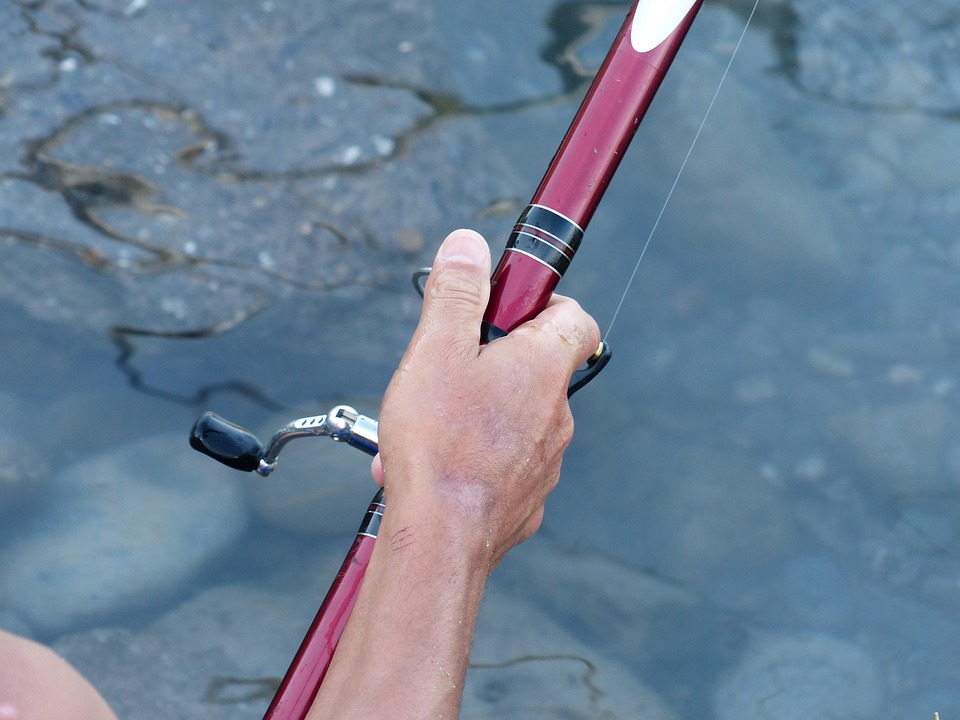
- Rods and Reels: Heavy-duty rods paired with large capacity reels are essential. These should be able to hold enough line to withstand a shark’s initial run.
- Line: High-test monofilament or braided line is preferred due to its strength. Anglers often choose lines rated for at least 80-130 pounds.
- Hooks and Bait: Circle hooks are commonly used as they reduce the chance of deep hooking. Popular bait options include mackerel, bonito, and other fish designed to attract sharks.
- Safety Equipment: Shark fishing can be dangerous; thus, essential safety gear such as gloves, gaffs, and a cooler for the catch should be ready.
The Techniques: Mastering the Art
While the gear is vital, the techniques employed by successful shark fishermen set them apart. Mastering a few key methods can make all the difference in this high-stakes sport:
1. Chumming
One of the most effective techniques, chumming involves releasing a mixture of fish parts and blood into the water to create an enticing trail that attracts sharks. This method often leads to thrilling bites and increased chances of success.
2. Trolling
Another popular technique, trolling involves moving a boat at a slow speed while dragging bait behind. This method can help cover large areas, giving anglers the best chance of locating sharks.
3. Shore Fishing
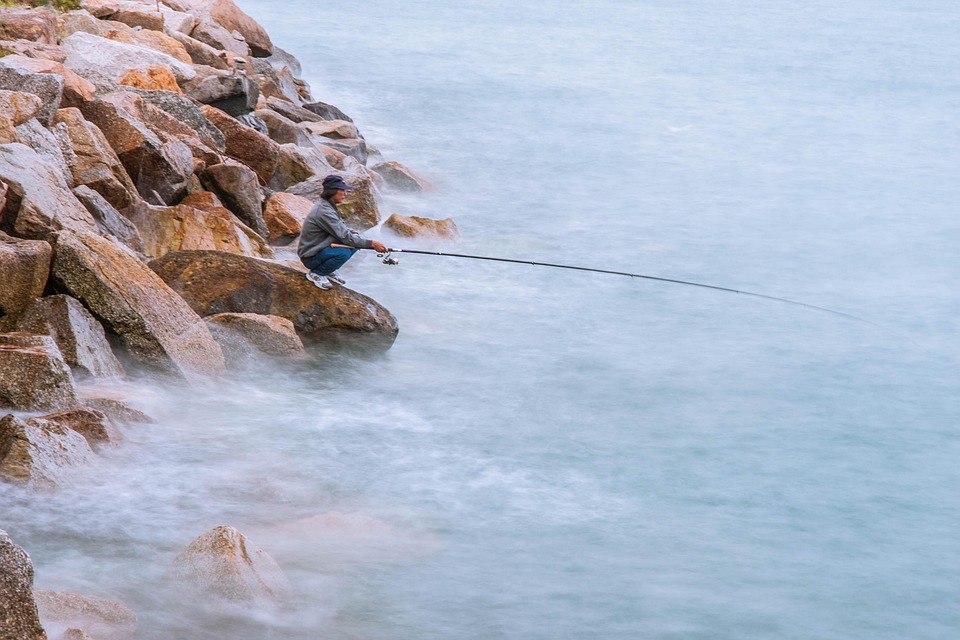
For those not venturing out to sea, shore fishing is a viable alternative. Anglers cast lines from jetties, piers, or beaches, using heavy tackle to reach deeper waters where sharks often patrol.
The Ethics: A Responsible Approach
As thrilling as shark fishing may be, it’s not without its ethical considerations. Sharks play a critical role in maintaining healthy ocean ecosystems, and their populations are under threat from overfishing and habitat loss. Responsible shark fishing practices include:
- Adhering to local regulations regarding size and bag limits.
- Practicing catch and release whenever possible to help maintain shark populations.
- Using equipment and techniques that cause minimal harm to the shark.
The Experience: Stories from the Water
Shark fishing is not only about the catch; it’s about the experience. Fishermen and women often recount unforgettable moments on the water. Consider the story of a father and son duo who set out on a routine fishing trip. After hours of waiting, they hooked a 10-foot tiger shark. The thrill of the fight was palpable, with the son holding on tight while the father steered the boat. After a long, exhausting battle, they managed to release the shark back into the water, forever cherishing that shared moment.
For many, shark fishing serves as a rite of passage — a way to form bonds, create memories, and understand nature’s magnificent power. Enthusiasts often return year after year, drawn not just by the allure of catching a shark but by the camaraderie, excitement, and tranquility that come with being on the ocean.
Conclusion: The Call of the Deep
Chasing giants beneath the waves is more than just a sporting endeavor; it’s a deep connection with nature, a call to adventure, and a testament to the skill and patience required to embrace the unpredictability of fishing. Whether you’re an experienced angler or a novice looking to dip your toes into shark fishing, the thrill lies in the chase — the anticipation, the bond with fellow anglers, and the ultimate respect for the majestic creatures of the sea. Responsible practices ensure that future generations can also enjoy the thrill of shark fishing, sustaining the balance between human passion and marine conservation.
FAQs
1. Do you need a special license to go shark fishing?
Yes, shark fishing often requires a specific fishing license, as well as adherence to local regulations. Check with your local wildlife agency for detailed requirements.
2. What is the best time of year to go shark fishing?
Shark fishing can be year-round, but typically late spring through early fall is ideal when sharks are more active and plentiful near coastal waters.
3. Is shark fishing safe?
While shark fishing poses risks, proper safety measures—including wearing life jackets, using the right gear, and following best practices—can minimize danger.
4. Can you eat shark? Are there any health concerns?
Yes, many shark species are edible, but caution is advised due to high mercury levels in some species. It’s advisable to consume shark fish sparingly.
5. How can I practice catch and release effectively?
Use circle hooks, minimize handling time, and gently release the shark back into the water as quickly as possible. Practice with tools designed to aid in the release to ensure a safer experience for the fish.
- barracuda fishing
- beach fishing
- big game fishing
- bluewater fishing
- boat fishing
- coastal fishing
- deep ocean fishing
- deep sea fishing
- drift fishing
- grouper fishing
- jigging fishing
- kingfish fishing
- mahi mahi fishing
- marlin fishing
- ocean fishing
- offshore fishing
- pier fishing
- reef fishing
- sailfish fishing
- saltwater angling
- saltwater fishing
- saltwater fishing guides
- shark fishing
- shore fishing
- snapper fishing
- sport fishing
- surf fishing
- trolling fishing
- tuna fishing












Leave a comment