

















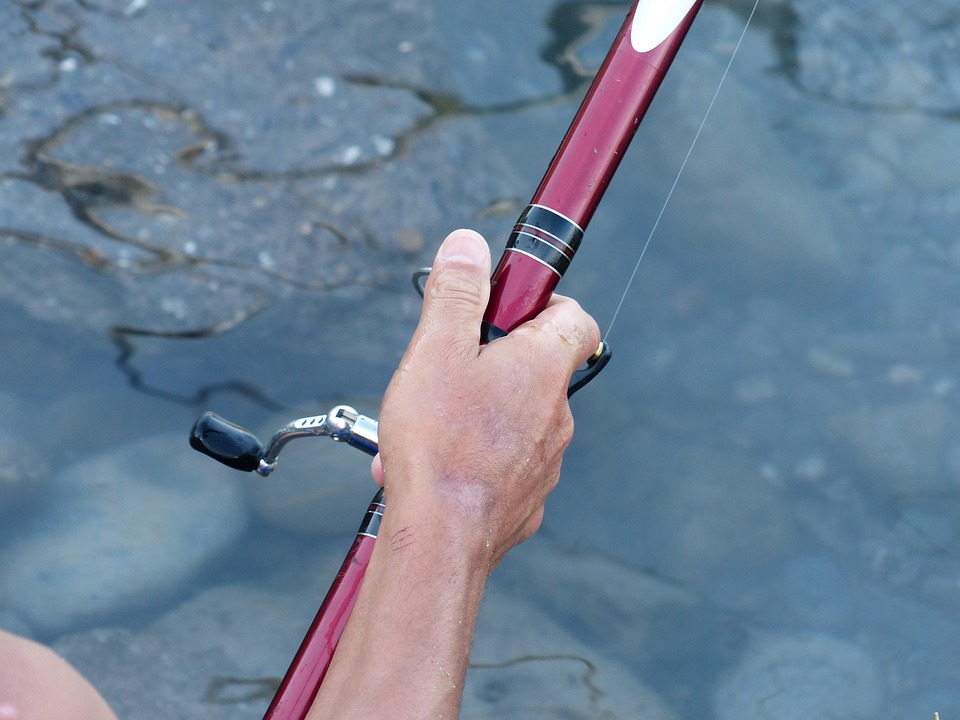
Fly fishing is more than a hobby; it’s a way of life for countless enthusiasts around the globe. While many might view it as a seasonal activity, true anglers know that the beauty of fly fishing can be experienced throughout the year. In this comprehensive guide, we’ll explore techniques, seasonal patterns, gear, and essential tips for fly fishing no matter the month on the calendar.
Understanding the Seasons
Each season presents unique challenges and opportunities for fly fishing enthusiasts. Understanding the behavior of fish, water conditions, and hatches are crucial to successful outings throughout the year.
Winter: A Time for Patience
As temperatures drop, many anglers retire their rods. However, winter fishing can be incredibly rewarding. Fish, especially trout, tend to move to deeper waters where the temperatures are more stable. During this season, fish activity slows down, so patience is key.
Tips for Winter Fishing:
- Time of Day: Fish are most active during the warmer parts of the day, usually from mid-morning to early afternoon.
- Fly Selection: Use smaller, more subtle flies such as midges and winter stoneflies. Darker colors can be effective in colder months.
- Location: Fish near springs or areas where water is warmer.
Spring: The Awakening
As winter gives way to spring, fish become more active with rising temperatures, making it an exciting time for anglers. Spring hatches occur, which lead to feeding frenzies in many freshwater bodies.
Spring Strategies:
- Hatches: Be aware of specific hatches in your area, such as mayflies, caddisflies, and stoneflies.
- Stronger Tackle: Opt for heavier tippet to handle aggressive fish in spring.
- Streamers and Nymphs: These can be particularly effective in spring, mimicking the awakening aquatic life.
Summer: The Heat of Action
Summer is peak fishing season for many, characterized by longer days and abundant food sources for fish. The challenge is managing the heat and the potential for busy waters.
Summer Tactics:
- Timing: Early mornings and late evenings work best when fish are more active and temperatures are lower.
- Terrestrial Patterns: Ants, grasshoppers, and beetles come into play, so include these in your fly box.
- Water Temperature: Be cautious of water temperatures; fish become stressed as temperatures rise above 70°F.
Fall: The Last Hurrah
Fall is a magical time for fly fishing, as fish prepare for the winter months. Their feeding habits often become frantic, making them aggressive and easier to catch.
Fall Recommendations:
- Focus on Food: Match the hatch with seasonal patterns; scuds and egg patterns are often effective.
- Utilize Larger Flies: Streamers can provoke aggressive nature in fish as they prepare for winter.
- Experiment: Don’t hesitate to change up your strategy if you’re not getting bites.
Essential Gear for Year-Round Fly Fishing
Successful fly fishing requires the right equipment tailored to seasonal variations. Here’s a breakdown per season:
Rods and Reels
Quality rods suitable for various water conditions and species is a must:
- Winter: A longer rod can be beneficial when casting further out.
- Spring: A medium-action rod helps in adapting to different flies.
- Summer: Lightweight rods for quick casting, especially with dry flies.
- Fall: Heavy rods can handle larger streamers and aggressive fish.
Fly Boxes
Diversity in flies is key:
- Winter: Focus on nymphs and midges.
- Spring: Include various hatching flies.
- Summer: A wide range of dries and terrestrials.
- Fall: Make sure to have a variety of streamers and egg patterns.
Clothing and Safety Gear
Staying comfortable while fishing is essential:
- Winter: Insulated layers, gloves, and waders.
- Spring: Waterproof jackets and breathable layers.
- Summer: Lightweight, quick-drying clothes with sun protection.
- Fall: Warm layers that are also waterproof for the changing weather.
Techniques for Success
Regardless of the season, certain fly fishing techniques remain universally applicable:
- Presentation: The way you present your fly can be just as important as the fly itself.
- Stealth: Be mindful of your movements to avoid spooking fish.
- Observation: Pay attention to the water and look for rising fish or hatching insects.
Conclusion
Fly fishing year-round is more than just a seasonal pursuit; it’s a unique challenge that connects anglers to the rhythms of nature. By understanding seasonal changes, adapting gear, and honing your techniques, you can enhance your fishing experience no matter the time of year. So, grab your rod and hit the water—there’s a whole world waiting for you to explore!
FAQs
Q: Can you fly fish in winter?
A: Absolutely! Winter can be a great time for fishing if you prepare adequately and choose the right flies.
Q: What’s the best time of day to fish?
A: Generally, early mornings and late afternoons yield the best results, but this can vary seasonally.
Q: Do I need specialized flies for each season?
A: Yes, matching your flies to seasonal hatches and conditions will dramatically improve your success rate.
Q: What should I consider when choosing a fly rod for year-round fishing?
A: Opt for a versatile rod that suits various conditions and species, and ensure it’s comfortable for long hours on the water.
- bait fishing seasons
- bass fishing seasons
- best fishing times
- bluegill fishing seasons
- carp fishing seasons
- catfish fishing seasons
- crappie fishing seasons
- fishing seasons
- fly fishing seasons
- inshore fishing seasons
- jigging seasons
- marlin fishing seasons
- muskie fishing seasons
- offshore fishing seasons
- panfish fishing seasons
- pike fishing seasons
- popping seasons
- sailfish fishing seasons
- salmon fishing seasons
- seasonal fishing for beginners
- seasonal fishing guides
- seasonal fishing guides worldwide
- seasonal fishing strategies
- seasonal fishing tips
- shark fishing seasons
- spinning fishing seasons
- trolling seasons
- trout fishing seasons
- tuna fishing seasons
- walleye fishing seasons
- zander fishing seasons











Leave a comment