







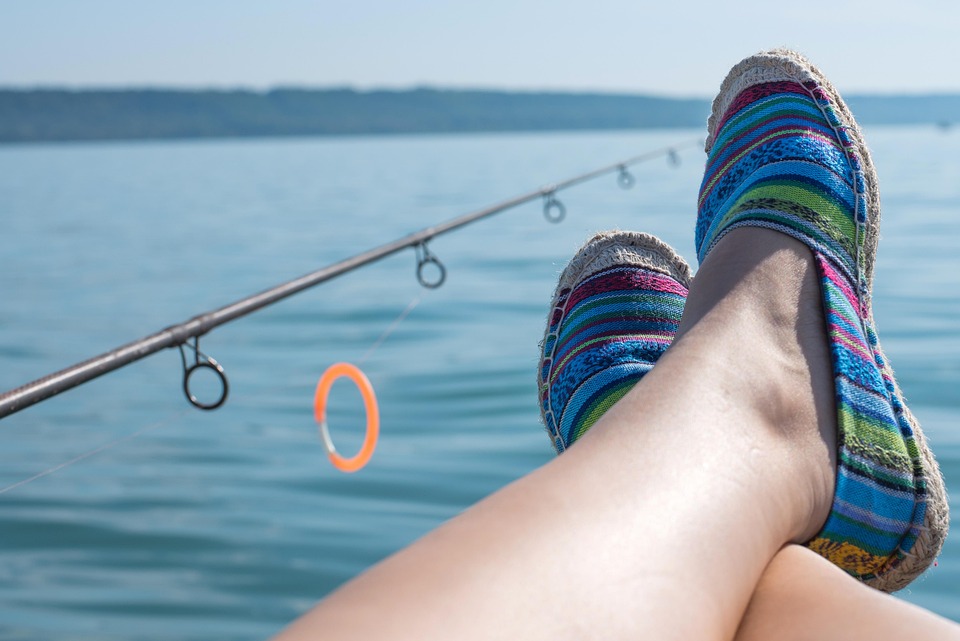

Angling, often dubbed a peaceful pastime, is an intricate dance between man and nature, filled with strategies and techniques honed over generations. For professional anglers, the mastery of these waters doesn’t just come from luck; it’s a careful blend of experience, skill, and understanding of fish behavior. In this article, we delve into some of the top techniques utilized by professionals who make their living casting lines in various aquatic environments.
1. Understanding Fish Behavior
Before a professional angler casts their first line, they first study the creatures they’re trying to catch. Understanding fish behavior is paramount. Fish are sensitive to environmental changes, and various factors influence their feeding patterns, activity levels, and habitats.
- Water Temperature: Fish are cold-blooded and their metabolism is generally linked to water temperature.
- Seasonality: Different species may be more active at different times of the year.
- Time of Day: Many anglers find that early mornings and late evenings are prime fishing times when fish are most active.
2. Targeting Specific Species
Professional anglers often specialize in specific fish species. By targeting specific fish, they can tailor their tactics, baits, and gear to suit that species’ unique habits.
- Freshwater vs. Saltwater: Techniques can drastically change depending on whether an angler is in freshwater lakes or saltwater oceans.
- Species Knowledge: Understanding the nuances of each species, such as behavior, habitat, and feeding times, is essential.
3. Selecting the Right Gear
The tools of the trade can make or break a fishing expedition. Professionals meticulously select their gear to match their target species, fishing environment, and personal style.
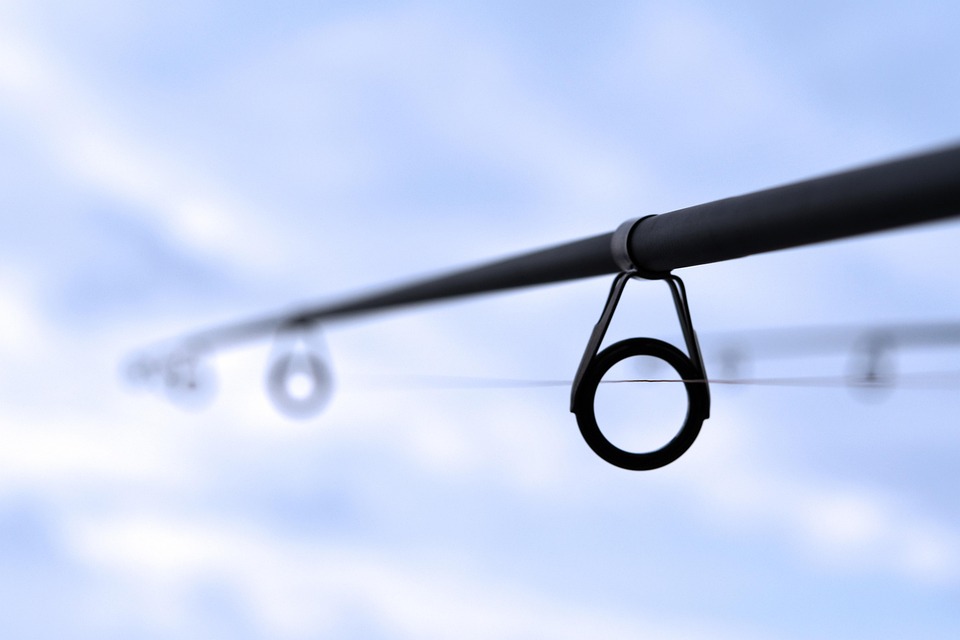
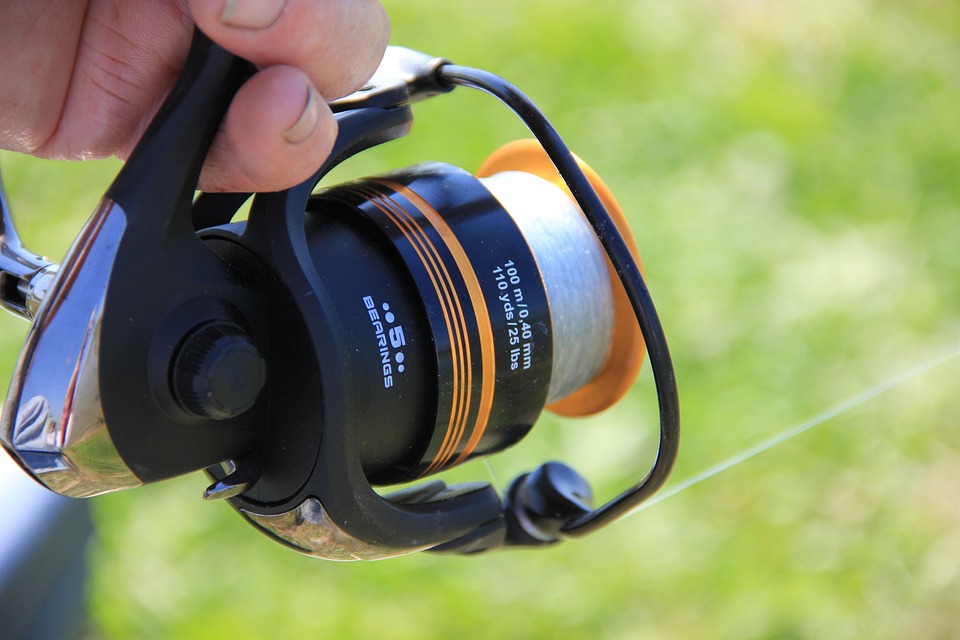
- Rods and Reels: Each rod and reel combination has its own specific qualities that can enhance an angler’s performance.
- Lines and Tackle: Line strength and tackle configuration matter; the wrong setup can mean the difference between landing a fish and losing one.
4. Mastering Casting Techniques
Whether it’s a bait-casting reel or a spinning setup, mastering casting techniques can elevate a professional angler’s success rate. Here are some common techniques:
- Overhead Cast: This popular technique involves swinging the rod above the angler’s head before releasing the line.
- Sidearm Cast: This method allows for a more horizontal cast, which can be useful in windy conditions.
- Pitching and Flipping: These techniques are often used for targeting specific spots, such as under docks or over vegetation.
5. Bait Selection and Presentation
The bait is often the key to success in fishing. Professionals are knowledgeable about which type of bait works best for which species and how to present it effectively.
- Live Bait: Many professionals prefer live bait due to its natural appeal to fish.
- Artificial Lures: These can be designed to mimic the movement of fish or other prey, creating an enticing illusion.
- Color and Size: Often underestimated, the color and size of the bait can significantly influence fishing success.
6. Utilizing Technology
Modern fishing has taken a technological leap with tools like sonar, GPS, and even drones. Professional anglers can now use these tools to gather crucial data about the waters they are fishing.
- Sonar and Fish Finders: These devices help locate fish underwater, making it easier to target areas with higher populations.
- GPS Mapping: Understanding underwater structures and terrain is crucial; GPS devices allow anglers to mark productive spots for future trips.
- Weather Apps: Monitoring weather patterns can help anglers decide when and where to fish for optimal success.
7. Patience and Adaptability
The best professional anglers possess patience and a willingness to adapt their tactics as conditions change. Whether it’s a shifting weather pattern or an unresponsive fish, the ability to read the situation and make adjustments is a crucial skill.
- Assessing the Environment: Regularly checking for changing conditions like water clarity and temperature can help determine the best approach.
- Changing Techniques: When the fish aren’t biting, switching techniques or locations can lead to success.
8. Networking and Learning from Others
Professional anglers often build a network and share information, tips, and techniques with fellow anglers. This collective knowledge can provide invaluable insights that may lead to more productive outings.
- Joining Fishing Communities: Many professionals are active in online forums or local fishing clubs where they can exchange knowledge.
- Participating in Competitions: Tournaments offer anglers the chance to learn from their peers while competing at a high level.
Conclusion
For professional anglers, fishing is much more than a pastime; it’s a discipline that combines knowledge, skill, and instinct. By mastering various techniques, understanding fish behavior, and adapting to changing conditions, these skilled individuals navigate the waters with finesse. Whether employing advanced technology or utilizing traditional methods, the heart of angling remains the same— the connection between nature and man. As new challenges emerge and environmental changes continue to alter aquatic ecosystems, the commitment to mastering the waters will remain an enduring pursuit for those passionate about the sport. With patience and a willingness to learn, both novice and seasoned anglers can enhance their skills, making every fishing expedition a rewarding experience.
FAQs
1. What is the best time of day to fish?
Early morning and late evening are generally considered the best times to fish as fish are often more active during these periods.
2. Do I need a fishing license to fish?
Yes, most places require a fishing license, especially for freshwater and saltwater fishing. Always check local regulations.
3. What type of bait is most effective for beginners?
Live bait, such as worms or minnows, tends to be more effective for beginners since it’s more attractive to fish.
4. Can technology help me fish better?
Absolutely! Fish finders, GPS, and weather apps can greatly enhance your fishing experience by helping you locate fish and understand optimal conditions.
5. How do I choose the right fishing rod?
Your rod choice depends on the species you’re targeting, the type of water you’re fishing in, and your personal comfort with different styles. It’s essential to do some research before making a purchase.
- advanced fishing techniques
- artificial bait fishing
- bait fishing
- boat fishing methods
- casting fishing
- deep sea fishing techniques
- drift fishing
- fishing knots techniques
- fishing methods
- fishing methods for beginners
- fishing rigs methods
- fishing strategy tips
- fishing techniques
- fly fishing techniques
- freshwater fishing techniques
- inshore trolling
- jigging fishing
- live bait fishing
- lure fishing methods
- modern fishing techniques
- offshore trolling
- popping fishing
- professional fishing methods
- saltwater fishing techniques
- shore fishing methods
- slow jigging
- spinning fishing
- topwater popping
- trolling fishing
- vertical jigging











Leave a comment