














Predator fishing is not just about casting a line; it’s about understanding the behavior of the apex fish, employing strategic methods, and, often, mastering a diverse set of skills. Whether you’re targeting pike, musky, or bass, the techniques you choose can make or break your day on the water. This article explores some of the top techniques for predator fishing, drawing from expert insights, scientific research, and real-world experiences.
The Essence of Predator Fishing
In predator fishing, the goal is not merely to catch fish, but to outsmart them. These apex predators are equipped with keen senses and rapid reflexes. Understanding their habitat, feeding patterns, and behavioral traits is crucial. The four primary factors affecting predator behavior are:
- Water Temperature: Predators tend to be more active in warmer water temperatures, particularly during the spring and summer months.
- Light Conditions: Low light conditions, such as early mornings or late evenings, usually increase feeding activity.
- Seasonal Changes: Spawning seasons dramatically affect predator behavior and their feeding habits.
- Forage Availability: The presence and abundance of forage fish like minnows or shad significantly influence predator activity.
Understanding these crucial factors will lead to more productive fishing trips and a deeper appreciation for the predator’s ecosystem.
Top Predator Fishing Techniques
1. Trolling Techniques
Trolling involves pulling lures or baits behind a moving boat. It’s a versatile method that covers a large area of water, allowing anglers to find active fish. Here are some effective trolling techniques:
- Use of Divers: These devices let you reach different depths—crucial for catching fish that feed at various levels.
- Adjust Speed: Different species have preferred speeds. For example, pike may respond better to slower trolling speeds, while walleye might prefer faster retrieves.
- Vary Lure & Color: Utilize a variety of lures and colors throughout the day to determine which combinations yield the best results.
2. Casting Techniques
For anglers who prefer a more hands-on approach, casting provides an intimate experience with the environment. Key techniques include:
- Targeted Casts: Aim for specific structures where fish may be lurking—such as weed beds, submerged rocks, or fallen trees.
- Jigging: This involves dropping a jig to the bottom and then rhythmically bringing it back, imitating the movement of bait fish.
- Walk-the-Dog Technique: Used mainly for topwater lures, this technique creates a side-to-side action on the surface, eliciting strikes from predators.
3. Live Bait Fishing
Live bait presents a natural presentation that often entices more cautious predators. Top live baits include:
- Shiners and Minnows: Highly effective for species like pike and bass.
- Leeches: Great for walleye fishing, particularly during the warmer months.
- Nightcrawlers: A versatile bait suitable for many freshwater predators.
Ensure that you are adhering to local regulations regarding the use of live bait, as it can vary significantly by region.
4. Fly Fishing for Predators
While often associated with trout, fly fishing can be an exhilarating way to target predator fish. Key aspects include:
- Poppers and Deceivers: These lures mimic small fish and can provoke fierce strikes from aggressive predators.
- Casting Techniques: Mastering the double haul and roll cast can significantly increase your casting efficiency and accuracy.
- Choose the Right Tippet: The right tippet strength can make a difference when it comes to landing larger species.
Understanding Predator Patterns
Success in predator fishing hinges on understanding their behavioral patterns. Factors that dictate when and where predators feed include:
- Weather Conditions: Overcast days can lead to increased predatory activity due to lower visibility for their prey.
- Moon Phases: Many anglers swear by lunar cycles, claiming that certain phases result in heightened activity levels among predators.
- Barometric Pressure: Falling pressure often correlates with increased feeding activity.
By tracking these environmental factors, anglers can predict the best times and locations for catching predatory species.
Tools of the Trade
No discussion on predator fishing would be complete without addressing the essential gear:
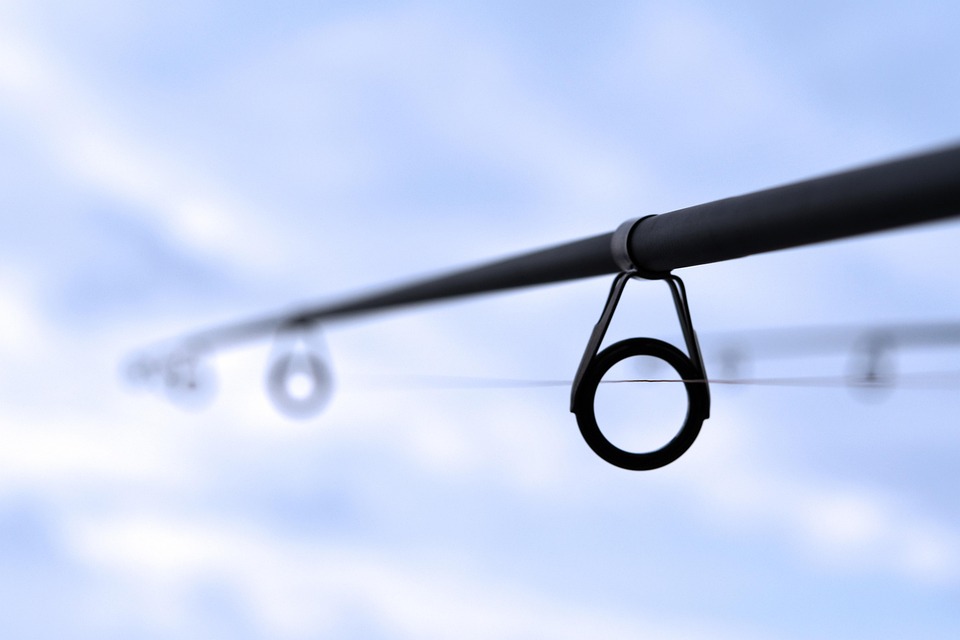
- Rods and Reels: Choose a strong, sensitive rod paired with a sturdy reel. For musky fishing, consider a heavier setup to handle larger species.
- Line: Braided line offers minimal stretch, allowing for better sensitivity and hook setting.
- Lure Selection: Equip yourself with a diverse collection of lures, including plastic swimbaits, crankbaits, and spinnerbaits.
Conclusion
Chasing apex predators in the aquatic environment requires a blend of knowledge, skill, and patience. The techniques outlined in this article provide a starting point for anglers to hone their craft and connect with nature. Remember, each fishing trip is a learning experience, and adapting and experimenting with diverse strategies is key. Embrace the thrill of predator fishing, and may your next outing bring you closer to unlocking the secrets of these majestic creatures.
FAQs
1. What is the best time to go predator fishing?
The best times are typically early mornings and late afternoons when fish are most active. Seasonal changes and weather conditions also play a significant role.
2. Can I use artificial lures for predator fishing?
Absolutely! Many anglers have great success using various artificial lures, including crankbaits, jigs, and topwater poppers to target predator fish.
3. What types of fishing licenses do I need?
Licenses vary by region, so always check local regulations. Generally, you will need a freshwater fishing license, and rules may vary for predator species.
4. Are live baits better than lures?
It depends on the scenario! While live bait often presents a natural option that attracts predators, some anglers prefer lures for their versatility and ease of use.
5. How do I identify predator species?
Learning about distinct physical traits, habitat preferences, and feeding behaviors will help you differentiate between predator species. Consulting local field guides can also be beneficial.
- advanced predator fishing
- aggressive fish fishing
- barracuda fishing
- barracuda lure fishing
- freshwater predator fishing
- large predator fishing
- muskie fishing
- muskie lure fishing
- pike fishing
- pike lure fishing
- predator angling
- predator fishing
- predator fishing baits
- predator fishing destinations
- predator fishing for beginners
- predator fishing gear
- predator fishing guides
- predator fishing lures
- predator fishing reels
- predator fishing rigs
- predator fishing rods
- predator fishing seasons
- predator fishing spots
- predator fishing tactics
- predator fishing techniques
- predator fishing tips
- predatory fish fishing
- saltwater predator fishing
- zander fishing
- zander jigging








Leave a comment