








Introduction
Fishing is not just a pastime; it’s an experience that connects you to nature, offers a meditative respite from daily stresses, and provides the thrill of the catch. For beginners, immersing oneself in the sport during different seasons can enhance your technique and understanding of fish behavior, ultimately improving your chances of landing that much-desired catch. Here, we’ll delve into essential tips to guide you through the multifaceted world of seasonal fishing.
Understanding Seasonal Patterns
Fish are highly influenced by the seasons, often altering their behavior, habitats, and feeding habits. An in-depth understanding of these seasonal patterns can elevate your fishing experience.
Spring: The Awakening
As the ice thaws and the water begins to warm, fish become more active.
- Target Species: Bass, trout, and panfish are commonly found in shallow waters.
- Best Techniques: Use lightweight lures or live bait to attract newly awakened fish.
- Where to Fish: Shallow bays and spawning areas.
Summer: The Heat is On
Summer offers long days and abundant fishing opportunities. Fish tend to dive deeper as temperatures rise.
- Target Species: Catfish, bass, and trout.
- Best Techniques: Try deep-water trolling during mid-day and early morning or late evening fishing when temperatures cool.
- Where to Fish: Deeper waters and areas with shade from trees or structures.
Fall: Preparing for Winter
As the temperatures drop, fish prepare to winter, making them more aggressive.
- Target Species: Pike, larger bass, and trout.
- Best Techniques: Use faster retrieves and larger lures to mimic their prey.
- Where to Fish: Areas with abundant vegetation and shallower waters.
Winter: The Freeze
Winter fishing poses its own unique challenges but can be incredibly rewarding.
- Target Species: Ice fishing for panfish, trout, and walleye.
- Best Techniques: Use jigs and live bait under the ice.
- Where to Fish: Ice-covered lakes and ponds, where safe.
Essential Gear for Beginners
No angler should head out without the right gear. An investment in quality equipment can significantly enhance your fishing experience.
Rod and Reel
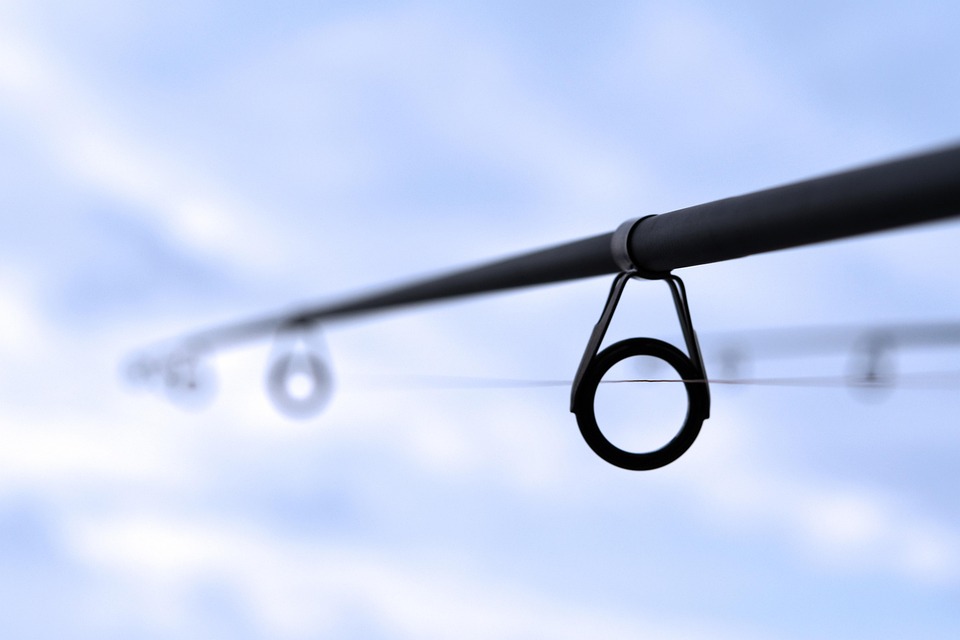
- Choosing the Right Rod: Beginners should consider spinning rods; they are easy to handle and versatile.
- Reels: Look for a quality spinning reel, which complements your rod and fits comfortably in your hand.
Line and Hooks
- Fishing Line: Monofilament is great for beginners; it’s forgiving when snagged and floats, which helps with visibility.
- Hooks: Start with a selection of hooks in varied sizes to suit different lures and bait.
Bait and Lures
The right bait or lure can make all the difference.
- Live Bait: Worms, minnows, and crickets can attract various species.
- Artificial Lures: Jigs, spinners, and soft plastics work well for beginner anglers aiming to familiarize themselves with techniques.
Safety First: Best Practices
Whether you’re at a remote lake or a bustling river, safety should always be your top priority.
- Wear a Life Jacket: Essential, especially in boats.
- Check Weather Conditions: Always be aware of weather changes that could threaten your safety.
- Tell Someone: Inform friends or family about your fishing plans and expected return times.
Local Regulations: Know Before You Go
Familiarize yourself with local fishing regulations, including:
- Licensing requirements
- Size and bag limits
- Seasonal restrictions for specific species
Adhering to these guidelines ensures sustainable fishing and protects aquatic ecosystems.
Fishing Etiquette
- Respect fellow anglers by keeping noise to a minimum.
- Avoid crowded areas; if someone is already fishing, give them space.
- Clean up your area and leave no trace behind.
Engaging with the Community
Getting involved in local fishing communities can provide invaluable resources, from advice to companionship.
- Clubs and Forums: Join local fishing clubs or online forums where you can ask questions and share experiences.
- Workshops: Attend workshops or classes tailored for beginners to hone your skills.
Conclusion
Fishing is a rewarding activity that can be enjoyed in many forms throughout the seasons. By understanding the seasonal patterns, investing in the right gear, prioritizing safety, and engaging with the fishing community, you can set yourself up for success as a beginner angler. Always remember to embrace the journey, stay patient, and appreciate the connection fishing builds with nature and fellow anglers.
Frequently Asked Questions (FAQs)
1. Do I need a fishing license to fish?
Yes, most regions require a fishing license. Always check your local regulations.
2. What is the best time of day to fish?
Early morning and late afternoon are generally considered the best times, as fish tend to be more active during these hours.
3. How do I choose the right bait?
Consider the species you’re targeting. Local bait shops can offer insights into what works best in your area.
4. What should I do if I catch a fish?
Decide whether you’re going to keep or release it. If releasing, handle it gently to ensure its survival.
5. How can I improve my casting technique?
Practice is key. Start with stationary casting and gradually incorporate movement. Consider watching tutorials or enlisting a friend for guidance.
- bait fishing seasons
- bass fishing seasons
- best fishing times
- bluegill fishing seasons
- carp fishing seasons
- catfish fishing seasons
- crappie fishing seasons
- fishing seasons
- fly fishing seasons
- inshore fishing seasons
- jigging seasons
- marlin fishing seasons
- muskie fishing seasons
- offshore fishing seasons
- panfish fishing seasons
- pike fishing seasons
- popping seasons
- sailfish fishing seasons
- salmon fishing seasons
- seasonal fishing for beginners
- seasonal fishing guides
- seasonal fishing guides worldwide
- seasonal fishing strategies
- seasonal fishing tips
- shark fishing seasons
- spinning fishing seasons
- trolling seasons
- trout fishing seasons
- tuna fishing seasons
- walleye fishing seasons
- zander fishing seasons




Leave a comment