















Trout fishing is a rewarding and fulfilling hobby that connects anglers to nature while providing an exciting challenge. As a beginner, navigating the multitude of techniques, gear, and locations can be overwhelming. This guide will help you streamline your introduction to trout fishing, ensuring every cast brings you closer to success.
Understanding Trout: Species and Habitats
Before you embark on your trout fishing journey, it’s essential to understand the different species of trout and their preferred habitats. The most common types of trout include:
- Rainbow Trout: Known for their vibrant colors, rainbow trout thrive in rivers, streams, and lakes, often found in cooler waters.
- Brown Trout: These fish prefer a variety of habitats, from streams to lakes, and are known for their wariness and ability to grow large.
- Brook Trout: Typically found in the eastern United States, brook trout prefer cold, clear streams with abundant cover.
- Cutthroat Trout: Found primarily in the western U.S., cutthroat trout often inhabit streams and lakes, particularly those with ample food supply.
Understanding the specific habitats and behaviors of these trout species will help you determine where and when to fish. Trout prefer cooler water temperatures, typically ranging from 50 to 65 degrees Fahrenheit, and are most active during dawn and dusk.
The Right Gear: Rods, Reels, and More
Investing in the right gear is crucial for a successful fishing trip. As a beginner, you’ll want to focus on versatility and ease of use. Here’s what you’ll need:
Fishing Rod and Reel
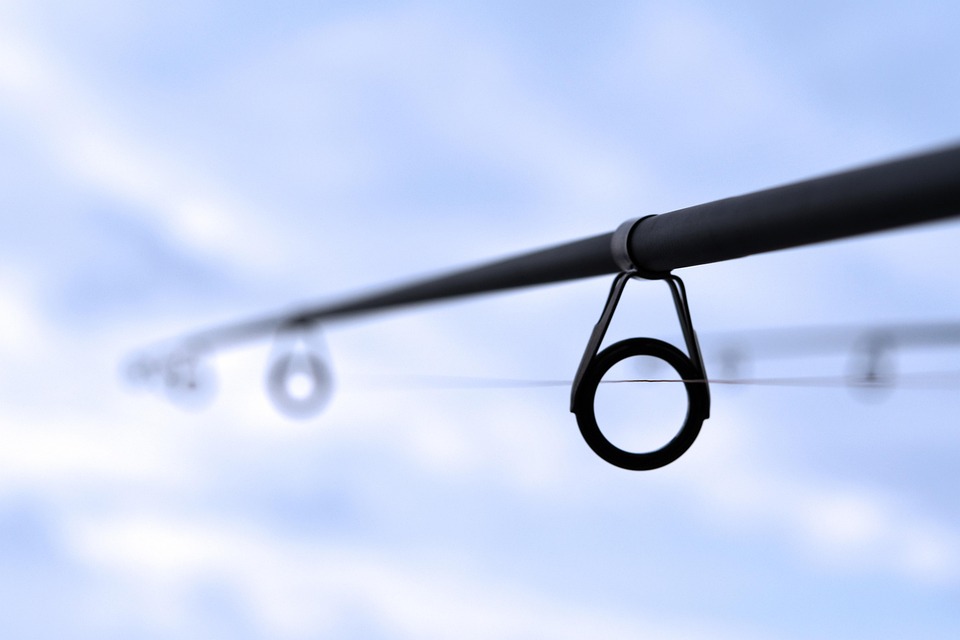
- Rod: A 6 to 7-foot spinning rod is ideal for beginners. It offers sensitivity and control, making it easier to detect bites.
- Reel: A spinning reel is user-friendly and suitable for various fishing techniques. Choose a reel that matches the rod in terms of size and strength.
Fishing Line
Monofilament line is a great choice for beginners due to its ease of use and affordability. A 4 to 8-pound test line is ideal for trout, as it’s strong enough to handle the fish but light enough for better presentation.
Bait and Lures
- Live Bait: Worms, minnows, and insects are excellent choices for attracting trout.
- Artificial Lures: Spinners, spoons, and crankbaits can mimic the movement of prey, enticing trout to bite.
- Flies: For those interested in fly fishing, dry flies and nymphs are great options for catching trout.
Essential Techniques for Success
Knowing the right techniques can significantly enhance your chances of landing a trout. Here are some essential methods:
Still Fishing
This technique involves casting your line and letting it sit. Use live bait or lures and wait for a trout to bite. Be patient; it can take time, but the reward can be worth it.
Drift Fishing
Ideal for rivers, drift fishing involves casting upstream and allowing your bait to float naturally with the current. This mimics natural fish movements, drawing in trout.
Fly Fishing
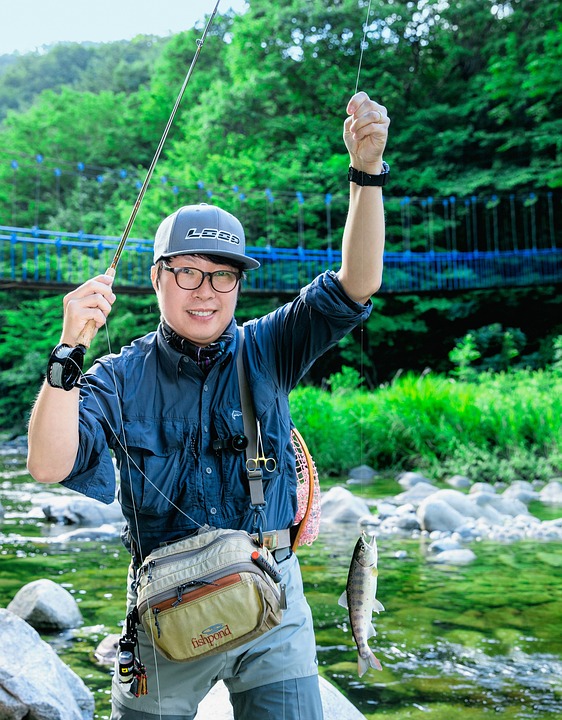
Although more challenging, fly fishing can be an incredibly rewarding way to catch trout. It involves using lightweight flies that mimic insects on the water’s surface. Focus on developing a good casting technique and understanding the behavior of the fish.
Location, Location, Location!
Your choice of location is almost as important as your gear and technique. Here are some tips for finding great trout fishing spots:
Rivers and Streams
- Look for shady areas where fish can hide from predators.
- Cast near rocks, fallen trees, or undercut banks, which are ideal locations for trout.
Lakes and Ponds
- Focus on areas with vegetation, as trout often hide near these structures.
- Pay attention to temperature gradients; trout prefer cooler waters and often gather near springs.
But What About Regulations?
Before you head out, familiarize yourself with local fishing regulations. These often include information on:
- Allowed fishing methods
- Seasons and permissible catch limits
- Licensing requirements
Following these regulations helps maintain the environmental balance while ensuring that fishing remains an enjoyable activity for all.
Common Mistakes Beginners Make
While fishing can be straightforward, beginners often fall into common traps. Here are a few pitfalls to avoid:
- Not paying attention to water conditions: Check for water clarity and temperature, as both affect trout behavior.
- Using gear that is too heavy: A light rod and line allow for better sensitivity, which is crucial when fishing for trout.
- Being impatient: Fishing can often require a lot of waiting. Patience is just as vital as skill.
Preparing for Your Trip
Proper preparation can make your fishing trip much more enjoyable. Here’s a checklist of what to bring:
- Fishing License: Make sure to have your fishing license with you at all times.
- Gear: Rod, reel, line, bait, and tackle box.
- Clothing: Wear layers, as weather conditions can change quickly.
- Food and Water: Stay hydrated and energized while you’re outdoors.
- Sunscreen and Insect Repellent: Protect yourself from the elements.
Conclusion
Trout fishing can be an incredibly fulfilling outdoor activity that offers both relaxation and excitement. By understanding the various species, equipping yourself with the right gear, mastering essential techniques, and choosing the best locations, you’ll be well on your way to having a successful fishing experience. Remember that every angler starts somewhere, and even experienced fishermen had to learn the ropes. Embrace the learning process, stay patient, and most importantly, enjoy your time on the water. You never know, your next cast could be the one that lands a trophy trout.
Frequently Asked Questions (FAQs)
1. What is the best time to go trout fishing?
The early morning and late evening, particularly during the spring and fall, are generally the best times to fish for trout when they are most active.
2. Do I need a fishing license to fish for trout?
Yes, most places require you to have a valid fishing license. Check your local regulations for specifics.
3. What bait works best for trout fishing?
Live bait like worms and minnows is often effective, as well as artificial lures such as spinners and spoons. Flies are also popular among fly fishers.
4. Can I catch trout year-round?
It depends on the species and local regulations. Some areas have seasonal restrictions, while others allow year-round fishing. Always check regulations for your locale.
5. How do I know what fishing spot is the best for trout?
Look for cold, clean waters with plenty of cover such as rocks and vegetation. Observing currents and local fishing reports can also help you identify good spots.
- beginner bass fishing
- beginner carp fishing
- beginner catfish fishing
- beginner fishing advice
- beginner fishing baits
- beginner fishing gear
- beginner fishing guides
- beginner fishing guides online
- beginner fishing knots
- beginner fishing lures
- beginner fishing mistakes
- beginner fishing reels
- beginner fishing rods
- beginner fishing strategies
- beginner fishing techniques
- beginner fishing tips
- beginner fishing trips
- beginner fishing tutorials
- beginner fishing videos
- beginner fly fishing
- beginner freshwater fishing
- beginner muskie fishing
- beginner panfish fishing
- beginner pike fishing
- beginner saltwater fishing
- beginner trout fishing
- fishing basics
- fishing for beginners
- how to fish
- new anglers tips










Leave a comment