













Whether you’re a seasoned angler or just getting started, pike fishing offers an exhilarating challenge. Known for their aggressiveness and speed, northern pike (Esox lucius) are a popular target for anglers across North America and Europe. To successfully land these powerhouse fish, using the right lures can make all the difference. In this feature article, we’ll explore the top lures for pike fishing, including their characteristics, applications, and tips for use.
Understanding the Northern Pike
Northern pike can grow to impressive lengths—often exceeding 40 inches—making them one of the most sought-after species in freshwater fishing. Their predatory nature means they are often found in weedy areas, shallow coves, and around structure like fallen trees or rocks. Understanding their behavior and habitat is crucial for choosing the right lure.
The Top Lures for Pike Fishing
1. Spinnerbaits
Spinnerbaits are a go-to choice for many pike anglers. These lures consist of a lead head with one or more spinning blades attached. The blades create vibrations and flash that attract pike from a distance. Spinnerbaits are extremely versatile; they can be fished at various depths and speeds. When retrieving, varying your speed can help determine what the pike prefer on a given day.
2. Crankbaits
Crankbaits mimic the movement of injured baitfish, making them irresistible to pike. They come in different shapes, sizes, and diving depths, allowing anglers to target pike at various depths. Look for ones with a loud rattle and bright colors—particularly in murky water conditions. When using crankbaits, aim to bump your lure against structure like rocks or timber to create more interest.
3. Jerkbaits
These lures have a distinct appearance and are designed to be fished erratically. Jerkbaits imitate wounded fish when retrieved with quick, sharp pulls. They work effectively in both shallow and deep waters, especially during the pike’s spawning season or in the early spring when they are actively feeding. Choosing the right color can depend on water clarity—bright colors for murky water and more natural colors for clear water.
4. Spoons
Spoons are simple but effective. Their unique shape creates erratic movements that simulate a distressed baitfish. They can be fished at different depths and are especially effective in colder waters. To use spoons, cast and retrieve with a steady speed, occasionally letting it sink before reeling in. Varying your retrieval speed can also help entice pike, particularly when they are being finicky.
5. Live Bait and Dead Bait Rigs
Using live bait or dead bait (like ladies’ fish or herring) can be incredibly effective for targeting larger pike. Utilizing a slip sinker rig allows the fish to take the bait without feeling resistance. When fishing live bait, try to match the size of the bait to what pike are naturally feeding on in the water. Ensure you use a strong wire leader to prevent bite-offs from the pike’s sharp teeth.
Techniques for Successful Pike Fishing
While selecting the right lure is crucial, employing effective fishing techniques can significantly enhance your success rate. Consider these strategies:
1. Location, Location, Location
Focus on areas where pike are likely to be. Weed beds, rocky points, and areas near drop-offs or submerged logs are prime spots. Fish during early morning or late evening when pike are most active. Also, consider weather patterns; overcast days often result in better pike fishing since they tend to roam more freely.
2. Vary Your Retrieving Techniques
Experiment with different speeds and techniques. Consistent retrieves might work some days, while others might require fast jerks or pauses. Pay attention to the pike’s response and adjust accordingly.
3. Use the Right Gear
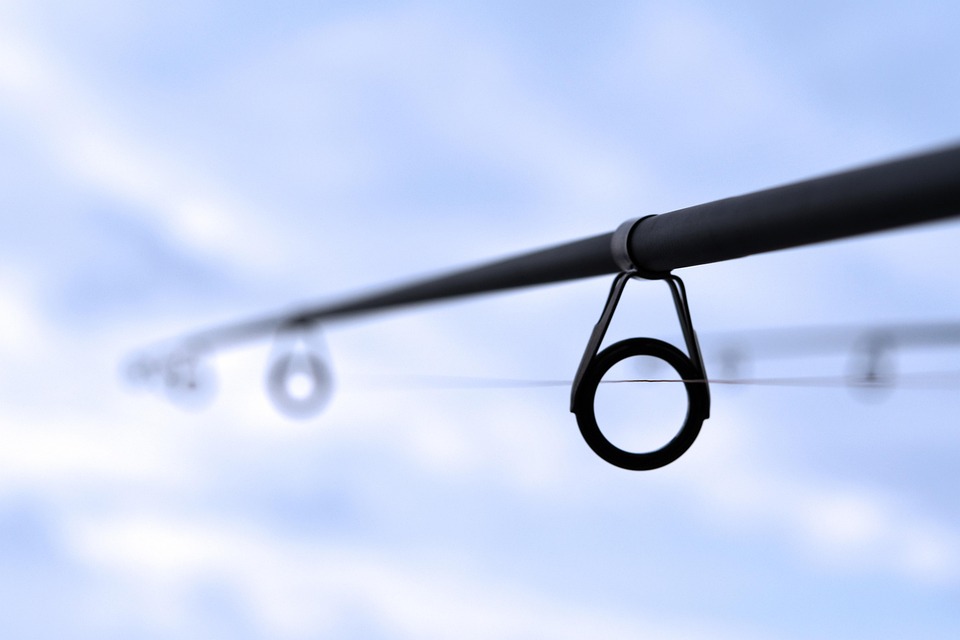
When targeting pike, a medium to a heavy-action rod paired with a strong reel is recommended. Use a braided line for better sensitivity and strength, as this will help you detect even the slightest bites. Always remember to use a wire leader to prevent bite-offs!
4. Be Prepared to Switch Lures
If pike aren’t biting, don’t hesitate to try new lures or colors. Sometimes, a subtle change can trigger a strike. Keeping a variety of lures at hand will allow you to adapt to changing conditions.
Conclusion
Chasing after northern pike can be an exhilarating experience, but success often relies on understanding which lures to deploy and when to use them. Spinnerbaits, crankbaits, jerkbaits, spoons, and live bait offer diverse options to entice these aggressive predators. By honing your techniques and understanding pike behavior, you’ll increase your chances of landing that trophy fish. Remember, patience and persistence can lead to some of the most rewarding outings on the water.
FAQs
Q1: What is the best time of year for pike fishing?
A1: Early spring and late fall are considered the best times for pike fishing when they are most actively feeding.
Q2: How deep do pike usually swim?
A2: Northern pike typically inhabit waters from 2 to 15 feet deep, especially in weedy areas.
Q3: How do I tell the difference between pike and musky?
A3: Pike have a more elongated body with a pointed snout and light, sporadic spots, while muskies have a more torpedo-shaped body with vertical stripes.
Q4: Can I use any type of reel for pike fishing?
A4: It’s recommended to use a medium to heavy baitcasting or spinning reel for the strength required to handle larger pike.
Q5: How can I improve my chances of catching trophy pike?
A5: Focus on prime locations, use the right lures, experiment with retrieval techniques, and pay attention to seasonal patterns.
- advanced predator fishing
- aggressive fish fishing
- barracuda fishing
- barracuda lure fishing
- freshwater predator fishing
- large predator fishing
- muskie fishing
- muskie lure fishing
- pike fishing
- pike lure fishing
- predator angling
- predator fishing
- predator fishing baits
- predator fishing destinations
- predator fishing for beginners
- predator fishing gear
- predator fishing guides
- predator fishing lures
- predator fishing reels
- predator fishing rigs
- predator fishing rods
- predator fishing seasons
- predator fishing spots
- predator fishing tactics
- predator fishing techniques
- predator fishing tips
- predatory fish fishing
- saltwater predator fishing
- zander fishing
- zander jigging











Leave a comment