


















As the sun sets below the horizon, casting an orange glow over the river, anglers prepare for what many consider one of the most thrilling nights of fishing: targeting river catfish. Renowned for their size, tenacity, and distinct flavor, catfish are a prized catch for both seasoned and novice anglers. This guide aims to unveil the secrets of catfishing, providing insightful tips and tricks to maximize your catch and enrich your river fishing experience.
Understanding River Catfish
Before you embark on your fishing adventure, it’s essential to understand the species you are targeting. River catfish, or channel catfish (Ictalurus punctatus), are known for their adaptability and can thrive in various aquatic environments. Often found in lakes, streams, and rivers, these fish have a unique feeding behavior.
Catfish are primarily bottom feeders that thrive on a diet of:
- Fish
- Insects
- Plant matter
- Decomposing organic material
Understanding their feeding patterns is critical. They are most active during warmer months and often feed more aggressively in the evenings and at night. Therefore, timing your fishing trips can be crucial in increasing your chances of a successful catch.
Gear and Equipment
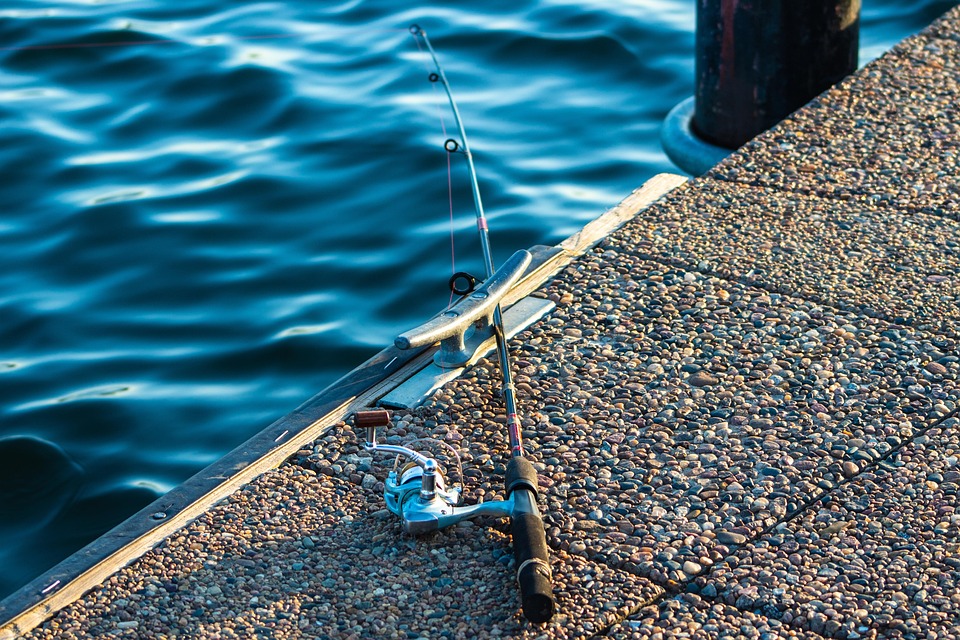
Fishing for river catfish requires specific gear that can withstand the fight of a heavy catch. Here’s a list of essential equipment:
- Rod and Reel: A medium to heavy action rod, around 6 to 8 feet in length, paired with a reel that has a high line capacity is ideal.
- Line: Braided line is often favored due to its strength and sensitivity, but monofilament can also work well. A test strength of 20-30 pounds is recommended.
- Hooks: Circle hooks are particularly effective for catfishing as they tend to hook the fish in the corner of the mouth.
- Terminal Tackle: Use a slip sinker rig to allow your bait to move freely while still being heavy enough to reach the bottom.
Bait Selection
The type of bait you choose can make or break your fishing trip. Catfish are opportunistic feeders and not particularly picky. Popular bait options include:
- Chicken Liver: A classic choice that catfish find hard to resist.
- Chub or Shad: Fresh-cut live bait can be incredibly effective.
- Stink Bait: Commercial stink baits, which are specially designed for catfish, can attract fish from a distance.
- Nightcrawlers: Ideal for both baiting hooks and as a good all-around option.
Essential Techniques
Understanding when and how to fish for catfish is just as important as the gear you use.
Location, Location, Location
Finding the right spot is crucial for catching catfish. They often congregate near:
- Sunken logs and tree stumps
- Rock piles
- Current breaks
- Deep pools
- Shallow flats, especially during spawning season
Night Fishing
While catfish can be caught during the day, nighttime fishing can lead to significant rewards. As the sun sets, catfish become more active. It’s also quieter at night, allowing anglers to focus more on their technique and less on distractions. Use lanterns or LED lights to attract insects, which can bring in the catfish.
Using Increased Sensory Techniques
Catfish have poor eyesight but an excellent sense of smell and ability to detect vibrations. Enhancing your presentation can attract these fish more effectively. Here are some worthwhile techniques:
- Use strong scents: Incorporate scents into your bait or use attractants like dill pickle juice or garlic to enhance your offering.
- Be patient: Allow catfish time to find your bait. They may be cautious initially.
Safety and Environmental Considerations
Fishing can be fun, but it’s essential to prioritize safety and environmental care. Always wear life jackets when fishing from a boat and be mindful of weather conditions. Also, practice catch-and-release to help conserve the catfish population if you’re not fishing for food.
Conclusion
Catching river catfish is more than just a hobby; it’s an experience steeped in patience, skill, and a deep appreciation for nature. With the right equipment, strategies, and mentality, your experience will not only lead to larger catches but also create a deeper connection with the great outdoors.
The thrill of reeling in a catfish as the sun sets is a moment that resonates with many anglers. By employing these tips and tricks, you’ll be well on your way to becoming a successful cat fisherman. Remember, every fishing trip offers a chance to learn, connect with nature, and enjoy time spent outdoors. Happy fishing!
FAQs
1. What is the best time of year to catch river catfish?
Generally, late spring and summer are the best times for catfishing. During these warmer months, catfish are more active and aggressive.
2. How deep should I fish for catfish?
Catfish often dwell near the bottom, particularly in deeper pools. Look for areas ranging from 3 to 10 feet deep.
3. Do I need a fishing license to catch catfish?
Yes, a fishing license is typically required to fish in public waters. Check local regulations for specific requirements.
4. Can I catch catfish during the day?
Yes, you can catch catfish during the day, but they tend to be less active. Early mornings and late afternoons can be effective times.
5. What should I do with the catfish once I catch it?
If you plan to eat the catfish, it’s ideal to bleed and clean it immediately. If you’re practicing catch-and-release, handle the fish carefully and return it to the water as quickly as possible.
- advanced catfish fishing
- blue catfish fishing
- catfish angling
- catfish bait
- catfish fishing
- catfish fishing for beginners
- catfish fishing gear
- catfish fishing guides
- catfish fishing reels
- catfish fishing rods
- catfish fishing seasons
- catfish fishing spots
- catfish fishing tactics
- catfish fishing techniques
- catfish fishing tips
- catfish hooks
- catfish rigs
- catfish species
- channel catfish fishing
- cut bait catfish fishing
- deep water catfish fishing
- flathead catfish fishing
- lake catfish fishing
- live bait catfish fishing
- monster catfish fishing
- night catfish fishing
- river catfish fishing
- shallow water catfish fishing
- stink bait catfish fishing
- trophy catfish fishing
















Leave a comment