














Live bait fishing is not just a technique; it’s an art form that has been practiced for centuries. The interplay between angler, bait, and fish can yield thrilling results – especially when done right. In this comprehensive guide, we delve into the intricacies of live bait fishing, drawing on insights from seasoned professionals in the field. Whether you are a novice looking to expand your fishing repertoire or an experienced angler seeking new techniques, this guide will equip you with the secrets to maximizing your success on the water.
Understanding Live Bait
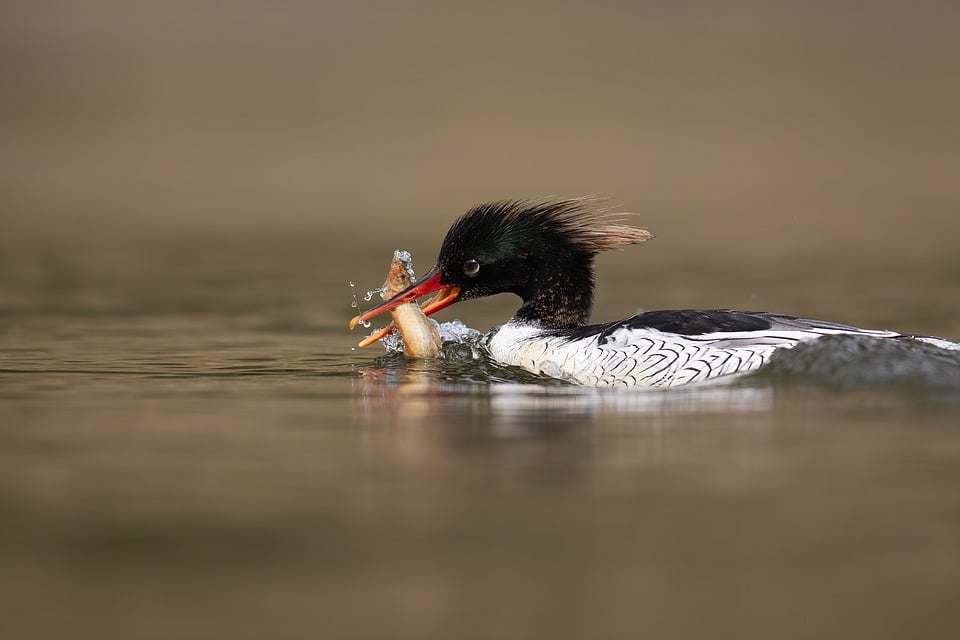
Live bait refers to the use of natural organisms to attract and catch fish. These can include worms, minnows, leeches, and insects. The primary allure of live bait is its ability to mimic the natural prey of fish. According to a study by the American Fishing Association, fish are more likely to strike at live bait than artificial lures, particularly in freshwater environments.
The Science Behind Live Bait
Fish have highly developed senses and can detect vibrations, scents, and movements in the water. When you use live bait, you’re capitalizing on these natural instincts. A lively minnow leaping away from danger sends a prime signal to predatory fish like bass or pike. Conversely, using dead bait often fails to elicit the same response.
Choosing the Right Live Bait
Your success in live bait fishing heavily depends on your choice of bait. Here are some of the most common types and their ideal usage scenarios:
1. Worms
Nightcrawlers and red wigglers are staples in freshwater fishing. When fished near the bottom, they attract a wide variety of fish, particularly panfish and catfish. Rigging them on a hook is easy; simply thread them through the middle, allowing them to wiggle enticingly in the water.
2. Minnows
For larger predators like bass and pike, minnows are unbeatable. They can be hooked either through the back or the lips to keep them alive longer. It’s worth noting that different minnow species can appeal to different fish; for instance, shiners work well for walleyes.
3. Leeches
Leeches are especially effective in warmer months and can be fished near weed beds. Their natural movement in water is irresistible to predatory fish. They can be rigged simply by hooking them through the sucker end to ensure their survival.
4. Crickets and Grasshoppers
These insects work wonders for targeting panfish. They offer a natural scent and flavor that fish cannot resist. Hook them through the back or at the legs for optimal movement in the water.
Best Fishing Techniques with Live Bait
Using live bait correctly requires an understanding of various fishing techniques. Here are some tried-and-true methods used by professional anglers:
1. Still Fishing
This technique involves casting your bait and letting it sit still in the water, allowing fish to come to it. It is effective for larger species that are less inclined to chase after bait. Make sure you check your line regularly to maintain tension and detect bites.
2. Drift Fishing
Drift fishing is about allowing your bait to move naturally with the current. This method works well in rivers or lakes where currents can help circulate your bait within the fish’s range.
3. Under Float Fishing
Using a bobber allows you to keep your live bait at a specific depth, which is particularly effective when targeting suspended fish. It also acts as a visual cue when fish bite, making it easier to set the hook at the right time.
4. Trolling
Trolling with live bait involves moving your baited lines through the water at slow speeds using a boat. This technique is popular for species that roam over large areas, such as lake trout and salmon.
Preparing and Storing Live Bait
To maximize the effectiveness of your live bait, proper care and handling are imperative. Here are some key tips:
1. Keep Bait Alive
Invest in a quality bait bucket that contains aeration or oxygen systems to keep your minnows lively. For worms, ensure you have moist bedding to preserve their health.
2. Transporting Bait
Always transport live bait in temperature-regulated containers to minimize stress. Avoid overcrowded conditions, as they can lead to fast spoilage.
3. Use Bait Quickly
Try to use live bait soon after purchasing. Fresh bait significantly increases your chances of a successful catch compared to older, less lively options.
The Ethical Angle: Responsible Live Bait Fishing
As responsible anglers, it is vital to consider the ecological impact of our activities. Always observe local regulations regarding bait collection and use. Never release unused bait into non-native waters, as it can lead to ecological disruption.
Common Mistakes When Using Live Bait
Even seasoned anglers can fall victim to common pitfalls. Here are several mistakes to avoid:
1. Choosing the Wrong Size Bait
Using bait that is either too small or too large can be a deterrent for fish. Always match the size of your bait to the species you’re targeting.
2. Overlooking Bait Presentation
Poorly presented bait can fail to attract fish. Ensure your bait is correctly rigged to move naturally in the water.
3. Not Paying Attention to Water Conditions
Fish behavior changes with water temperature, clarity, and current. Regularly adjusting your bait and technique according to these factors can lead to better results.
Conclusion
Live bait fishing represents a timeless tradition that connects anglers to the aquatic world. By understanding the types of live bait available, mastering various fishing techniques, and adhering to ethical practices, you can greatly enhance your fishing experience. Insights from professional anglers reveal that live bait isn’t just about catching fish; it’s about respecting nature and enjoying the journey of fishing. Armed with the knowledge and secrets from the pros, you’ll be well on your way to creating unforgettable fishing memories.
FAQs
1. What is the best live bait for bass?
Live minnows and worms are often regarded as the best options for attracting bass, particularly in warmer months.
2. How do I keep my live bait alive longer?
Keep your bait in a cooler, aerated bait bucket with clean, chilled water to ensure they are lively and healthy.
3. Is it ethical to use live bait?
Using live bait is considered ethical when conducted responsibly. Always follow local regulations and avoid introducing foreign species into new environments.
4. Can I catch fish with dead bait?
Yes, many fish can be caught using dead bait. However, the chances may be lower compared to live options, depending on the species and conditions.
5. How should I dispose of unused live bait?
Always check local regulations before disposing of unused live bait. Ideally, they should be released in the same water where they were collected or disposed of in a responsible manner to prevent ecological disruption.
- artificial lures
- bait and lure guides
- bait presentation techniques
- bait rigging tips
- bait selection
- crankbaits
- cut bait
- fishing bait setup
- fishing bait techniques
- fishing bait tips
- fishing for bass bait
- fishing for carp bait
- fishing for catfish bait
- fishing for pike bait
- fishing for saltwater species
- fishing for trout bait
- fishing lure colors
- fishing lure selection
- fishing lure sizes
- fishing lure techniques
- fishing lure types
- fishing lures
- flies
- hard baits
- jigs
- live bait fishing
- seasonal bait choices
- soft plastic lures
- spinnerbaits
- topwater lures













Leave a comment