














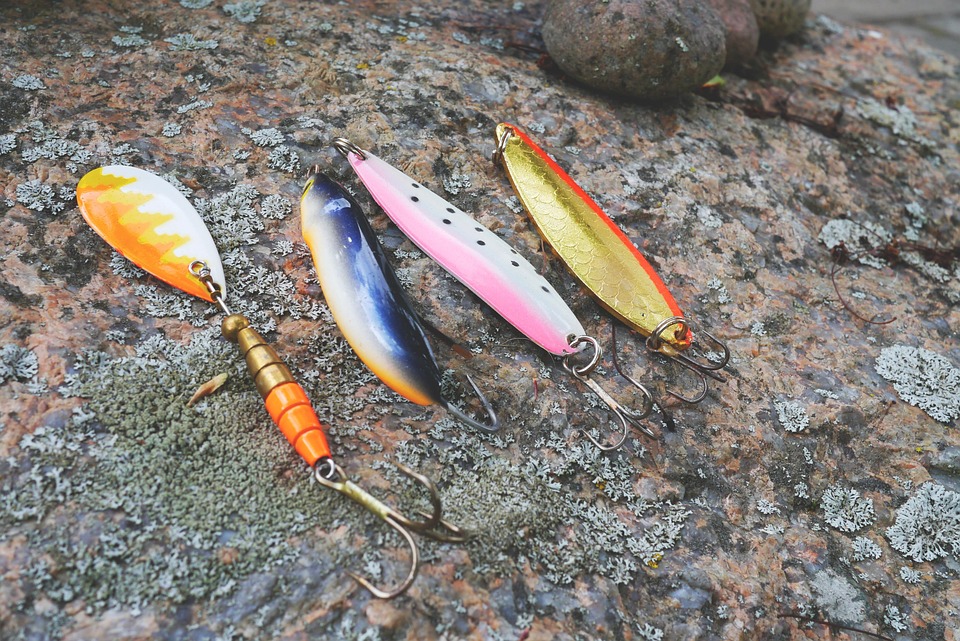
Fishing enthusiasts have always sought the perfect lure to attract various species of fish. Traditionally, wooden and metal lures were the go-to options for both beginner and seasoned anglers. However, a shift in the fishing paradigm has been steadily taking place, leading to the domination of soft plastic lures. This article delves into the reasons behind this surge, their advantages over traditional materials, and how they are reshaping the way anglers approach their sport.
The Evolution of Lures
The history of fishing lures stretches back thousands of years, beginning with simple handmade baits fashioned from natural materials like feathers and bones. As technology advanced, so did the designs of these lures, eventually leading to the creation of metal jigs and wooden plugs in the 20th century. The introduction of soft plastics in the 1970s marked a critical turning point in lure technology.
Initially developed by anglers experimenting with different materials, soft plastic lures offered a revolutionary combination of realism and versatility that traditional lures could not match. Brands like Zoom and Berkley led this charge, producing baits that closely mimicked the movement and appearance of live prey in the water. This innovation paved the way for a new era in fishing tackle.
Why Soft Plastic Lures Are So Effective
The effectiveness of soft plastic lures can be attributed to several key factors:
- Realism: Soft plastics often mimic the texture, movement, and color patterns of live bait, making them incredibly appealing to prey fish.
- Versatility: Available in various shapes and sizes, soft plastic lures can be rigged in numerous ways, such as Texas rigging, weightless rigging, or on a jig head.
- Durability: Unlike traditional wooden or metal lures, soft plastics are resistant to the wear and tear of repeated strikes, making them a cost-effective option for anglers.
- Customization: Soft plastics can easily be painted, dipped, or infused with scents to enhance their attractiveness to fish.
Popular Types of Soft Plastic Lures
Soft plastic lures come in a wide range of styles and shapes, tailored to meet the specific needs and methodologies of anglers. Here are some of the most popular types:
1. Worms
Worm imitation baits are probably the most well-known soft plastic lures. They frequently come in a variety of colors and sizes, making them a favorite for bass fishing.
2. Grubs
Grubs are multifaceted lures often used for targeting panfish and trout. Their segmented bodies allow for lifelike movement that attracts fish.
3. Creature Baits
Resembling various aquatic organisms, creature baits offer a bulkier profile, making them effective for targeting larger fish species like bass.
4. Swimbaits
Swimbaits mimic the motion of baitfish in the water, often yielding excellent results when used to target predatory species.
The Science Behind the Soft Plastic Boom
Recent studies have provided insights into how fish perceive and interact with lures. Research indicates that fish are more likely to bite lures that reflect the natural movement and colors found in their environments. Because soft plastics can be engineered to closely replicate these aspects, they have become a fundamental component in modern fishing gear.
Moreover, advancements in material technology have improved the buoyancy and action of soft plastics, allowing for more realistic presentations. New formulations in the manufacturing process enable better flexibility and durability, resulting in lures that can withstand multiple strikes without significant wear.
Environmental Considerations
The fishing industry has long been scrutinized for its impact on ecosystems. While soft plastic lures have revolutionized fishing, they also raise environmental concerns, particularly regarding plastic pollution. As anglers use these lures, the potential for discarded or lost lures entering waterways increases.
In response to these concerns, some manufacturers are exploring biodegradable materials for soft lures, and anglers are being encouraged to use catch-and-release practices to minimize ecological footprints. Continued advancements in sustainable materials could play a vital role in the future of fishing tackle.
The Future of Soft Plastic Lures
As technology continues to evolve, so will the capabilities of soft plastic lures. Companies are now developing smart lures embedded with sensors that can provide feedback on water conditions and fish activity. This innovation aims to fine-tune fishing strategies and enhance the overall fishing experience.
Moreover, the Internet of Things (IoT) is making waves in the fishing world, with smart tackle boxes equipped with technology that tracks which lures are used more effectively under various conditions. This offers anglers invaluable data, making them more effective on the water.
Conclusion
The rise of soft plastic lures represents a significant shift in the fishing world, evolving from rudimentary materials into sophisticated tools tailored for a variety of fishing styles and environments. Their versatility, realism, and effectiveness make them indispensable for anglers across the globe. As ongoing developments aim to address environmental concerns and enhance technology, it is clear that soft plastics are here to stay—forever changing the contents of tackle boxes and the strategies employed by both novice and experienced fishermen alike.
FAQs
A1: The right choice depends on the fish species you’re targeting, the type of water (freshwater or saltwater), and the conditions on the day. Consider the color, size, and action of the lure, and try different options until you find what works best for you.
A2: Yes! Soft plastic lures can be reused multiple times, making them a cost-effective option. Just be sure to store them properly to prevent deterioration.
A3: While soft plastic lures have raised concerns about plastic pollution, manufacturers are exploring biodegradable options, and anglers can reduce their impact by practicing responsible fishing and discarding lures properly.
A4: Yes, many anglers use soft plastic lures in both freshwater and saltwater environments. However, be sure to choose lures specifically designed for saltwater to ensure durability and effectiveness.
- artificial lures
- bait and lure guides
- bait presentation techniques
- bait rigging tips
- bait selection
- crankbaits
- cut bait
- fishing bait setup
- fishing bait techniques
- fishing bait tips
- fishing for bass bait
- fishing for carp bait
- fishing for catfish bait
- fishing for pike bait
- fishing for saltwater species
- fishing for trout bait
- fishing lure colors
- fishing lure selection
- fishing lure sizes
- fishing lure techniques
- fishing lure types
- fishing lures
- flies
- hard baits
- jigs
- live bait fishing
- seasonal bait choices
- soft plastic lures
- spinnerbaits
- topwater lures

















Leave a comment