


















Understanding Pelagic Fishing
Pelagic fishing refers to the practice of fishing in the upper layers of the open ocean, where light penetrates and where many schools of fish thrive. This area is delineated vertically by the surface down to a depth where light becomes scarce, typically up to 200 meters. Pelagic fish include species such as tuna, marlin, mackerel, and swordfish, and are distinguished from demersal fish, which inhabit the ocean floor.
Ecological Significance of Pelagic Zones
The pelagic zone is a critical component of marine ecosystems, hosting diverse life forms that rely on the upper layers of the ocean for sustenance and reproduction. The health of this zone is vital for maintaining biological diversity and supporting the global fishing industry.
Pelagic fishes are apex predators in many marine food webs. Their diet consists primarily of smaller fish, squid, and crustaceans, which in turn depend on phytoplankton and zooplankton for survival. This hierarchical structure emphasizes the interdependence within oceanic ecosystems.
The Physics of Pelagic Fishing
To effectively target pelagic fish, fishermen utilize an array of scientific principles related to oceanography, biology, and even meteorology. Understanding ocean currents, temperature gradients, and light penetration plays a significant role in identifying the best fishing spots.
Ocean Currents and Temperature
Ocean currents are critical in distributing nutrients throughout the water column and affecting fish behavior. For instance, the California Current, which flows southward along the U.S. West Coast, creates upwelling zones that are rich in nutrients, attracting various pelagic fish species.
Significance of Light
Light penetration decreases rapidly with depth, affecting where fish maintain their positions in the water column. Pelagic fish often stay within the photic zone, where they can effectively hunt for prey and avoid predators. Fishermen utilize sonar technology to detect schools of fish based on their presence in these illuminated areas.
Techniques and Technologies in Pelagic Fishing
As our understanding of the ocean deepens, so too does our ability to enhance fishing yields through the use of innovative techniques and technological advancements.
Traditional Methods
Historically, pelagic fishing involved basic hand-line techniques and nets. Fishermen relied on knowledge of local tides and currents, often passed down through generations. However, with advances in communication and mapping, these methods have largely evolved.
Modern Technologies
Today, pelagic fishing utilizes sophisticated technologies, including:
- Sonar Technology: This plays an essential role in detecting fish schools underwater, often allowing for more targeted fishing.
- GPS and Mapping: Global Positioning Systems assist fishermen in identifying productive fishing spots and navigating vast oceanic expanses.
- Satellite Technology: Various stakeholders, including scientists and commercial fishermen, utilize satellite imagery to observe plankton blooms and changes in surface temperature, indicating the presence of fish.
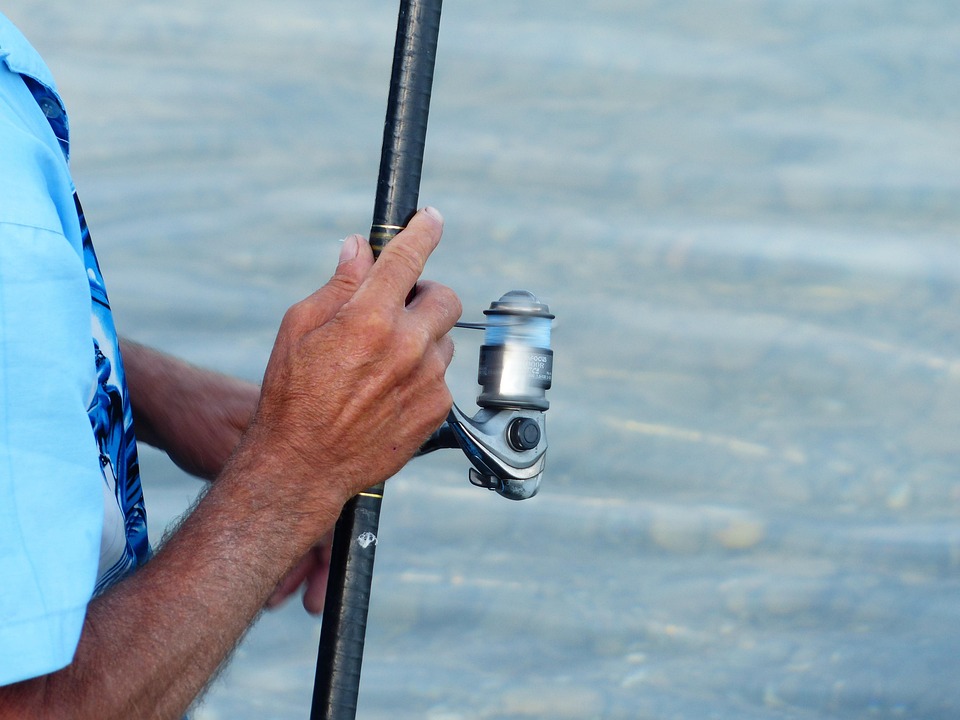
- Automated Fishing Gear: Modern vessels are equipped with advanced reels, hook systems, and bait dispensers that streamline the fishing process.
Regulations and Sustainability
The importance of sustainable fishing practices cannot be overstated in the context of pelagic fishing. Overfishing has led to significant declines in populations of several pelagic fish species, with tuna stocks among the hardest hit. As such, regulatory measures have been implemented globally to manage these populations.
Conservation Efforts
Global organizations like the International Seafood Sustainability Foundation (ISSF) and various regional fisheries management organizations (RFMOs) have made concerted efforts to enhance pelagic fish stocks. These initiatives include:
- Catch Limits: Quotas are established to prevent overfishing and allow fish populations to regenerate.
- Closed Seasons: Certain periods are designated as off-limits for fishing to protect breeding stocks.
- Selective Fishing Gear: Encouragement of using gear that minimizes bycatch, the unintended capture of non-target species.
The Role of Science in Pelagic Fishing
Scientists are continuously studying the behavior of pelagic fish, the impact of climate change on ocean chemistry, and the effects of fishing practices on marine ecosystems. These insights inform regulatory guidelines and best practices for sustainable fishing.
Case Studies
Some successful case studies highlight the importance of scientific research in pelagic fishing:
- Tuna Tagging Programs: These programs help track migration patterns and population dynamics, providing crucial data for sustainable management.
- Environmental DNA (eDNA): Recent advancements utilizing eDNA can detect the presence of species in a given area, enhancing our understanding of biodiversity in pelagic zones.
Economic Impact of Pelagic Fishing
The pelagic fishing industry is not only vital for global food security but also a significant component of the economy in many coastal regions. Fisheries provide employment, stimulate local economies, and contribute to international trade.
Market Trends
Currently, there is a growing trend towards sustainability in seafood sourcing. Consumers are increasingly aware of the environmental impacts of overfishing, leading to a demand for sustainably sourced pelagic fish. This shift is prompting businesses to adopt better practices, thus enhancing the economic viability of the industry.
Conclusion
Pelagic fishing is an intricate blend of science, technology, and tradition, deeply rooted in the ecological fabric of our oceans. As we advance our understanding of these vast terrains, it becomes increasingly imperative to balance the needs of commercial fishing with sustainable practices. The scientific community plays a crucial role in shaping the future of pelagic fishing, facilitating insights that lead to responsible management and better conservation practices. By fostering awareness and adopting sustainable practices, we can continue to enjoy the bounty of the oceans for generations to come.
FAQs
What types of fish are considered pelagic?
Pelagic fish include species such as tuna, mackerel, swordfish, and marlin, which inhabit the upper layers of the ocean.
What technologies are used in pelagic fishing?
Modern pelagic fishing utilizes sonar, GPS, and automated fishing gear, improving the chances of successful catches while minimizing environmental impact.
Why is sustainability important in pelagic fishing?
Sustainability ensures that fish populations remain healthy and robust, preventing overfishing and allowing ecosystems to thrive. This balance is crucial not only for marine health but also for future fishing opportunities.
What are some common regulations for pelagic fishing?
Common regulations include catch limits, closed seasons, and the use of selective fishing gear to minimize bycatch.
- big game angling
- big game fishing
- big game fishing baits
- big game fishing destinations
- big game fishing gear
- big game fishing guides
- big game fishing lures
- big game fishing reels
- big game fishing rods
- big game fishing tactics
- big game fishing techniques
- big game fishing trips
- bluewater fishing
- deep ocean fishing
- deep sea fishing
- giant trevally fishing
- kingfish fishing
- mahi mahi fishing
- marlin fishing
- monster fish fishing
- offshore fishing
- offshore trolling
- pelagic fishing
- sailfish fishing
- shark fishing
- sportfishing offshore
- swordfish fishing
- trophy fishing
- tuna fishing
- wahoo fishing
















Leave a comment