











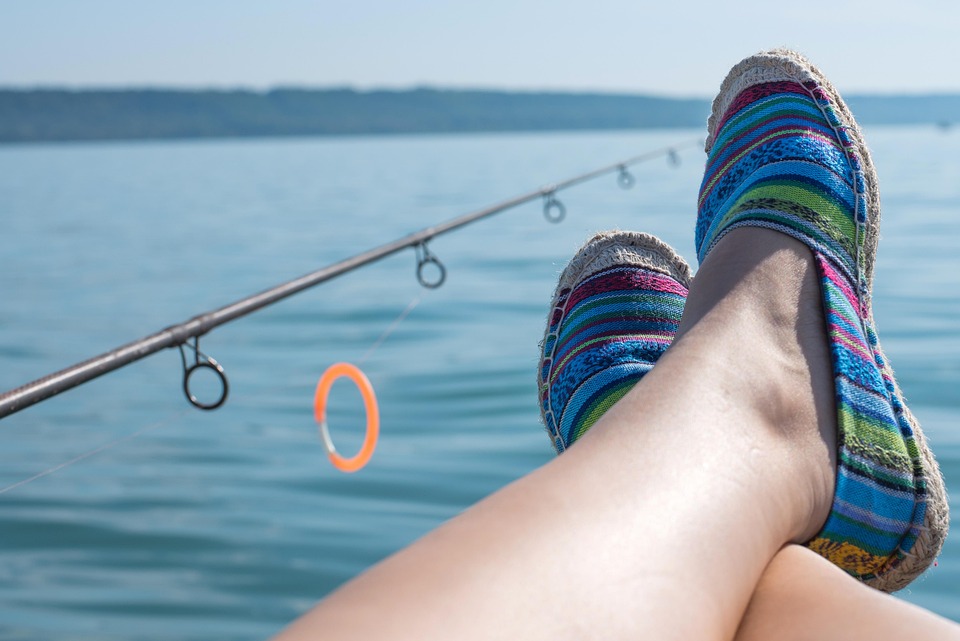


Fishing is more than just a pastime; it’s an art form that has been passed down through generations. For many, it is a means of relaxation, a way to connect with nature, and a chance to challenge oneself. Whether you’re a novice looking to learn the ropes or a seasoned angler wanting to refine your skills, mastering essential fishing techniques can significantly enhance your experience on the water. In this article, we will explore various techniques, tips, and tricks that can help you become a proficient angler.
Understanding Your Environment
Before you cast your line, it’s crucial to understand the environment you’ll be fishing in. Different bodies of water present unique challenges and opportunities.
Freshwater vs. Saltwater Fishing
- Freshwater Fishing: Typically involves lakes, rivers, and streams. Species include bass, trout, and catfish.
- Saltwater Fishing: Takes place in oceans and seas, targeting fish like tuna, marlin, and snapper. Conditions can be much more volatile, necessitating specialized techniques.
Understanding the habitat, water temperature, and seasonal patterns is vital. Fish behavior varies with the time of year, making it essential to adapt your approach based on these factors.
Reading the Water
Learning to read water plays a crucial role in fishing success. Focus on three primary elements:
- Current: Fast-moving water creates eddies and currents where fish might gather. These areas can be ideal spots for fishing.
- Structure: Rocks, fallen trees, and weed beds provide shelter and attract fish. Target these structures for better results.
- Temperature: Fish are more active at certain temperatures. Using a thermometer can help you determine optimal fishing times.
Core Fishing Techniques
Mastering different fishing techniques can significantly improve your chances of landing a big catch. Below are some essential methods to consider:
Bait Fishing
Bait fishing is one of the most traditional and effective methods. It involves using live bait, such as worms or minnows, to attract fish. Here are some key tips:
- Select the right bait for the species you’re targeting.
- Use the appropriate hook size and type to prevent the bait from escaping.
- Consider using a bobber to keep your bait at the right depth.
Fly Fishing
Fly fishing is an elegant technique that involves casting a lightweight lure, or ‘fly,’ imitating insects on the water’s surface. Some important tips include:
- Learn the basics of casting; the roll cast and double haul are essential skills.
- Match the hatch: Knowing what insects are present in the water helps in selecting the right fly.
- Focus on precision and presentation when casting to improve your chances.
Spin Fishing
Spin fishing involves using a spinning reel and rod, often with artificial lures. This technique is versatile and suitable for various conditions. Here are tips for effective spin fishing:
- Vary your retrieve speeds to see what attracts fish.
- Use different lures—spinners, jigs, and soft plastics—to find what works best in your area.
- Pay attention to the weather; overcast conditions can enhance fishing success.
Techniques for Specific Species
Different species of fish require tailored techniques to capture them effectively. Here are a few popular species and methods for each:
Trout Fishing
Trout often reside in cool, flowing waters. Here are some techniques:
- Use light tackle and small hooks to mimic their natural food sources.
- Cast upstream and let your bait drift naturally with the current.
- Seasonal changes affect trout behavior; focus on early morning or late evening for the best bites.
Bass Fishing
Bass are aggressive and can be caught using various methods:
- Target structures like rocks and logs where bass hide.
- Use topwater lures like frogs or poppers early in the morning or late in the evening.
- Texas rigging soft plastics is a popular method among bass fishermen.
Catfish Fishing
Catfish are known for their size and strength. Here are some effective strategies:
- Use strong fishing gear to manage their powerful pulls.
- Catfish are attracted to strong-smelling baits—consider using chicken liver or stink baits.
- Fish during warmer months as catfish are more active in warmer water.
Safety and Ethics in Fishing
While fishing can be a thrilling adventure, it is essential to prioritize safety and ethical practices:
Practice Proper Safety
- Always wear a personal flotation device, especially in boats.
- Be aware of weather conditions and have a plan in case of sudden changes.
- Stay hydrated and protected from the sun, particularly during long hours outdoors.
Follow Ethical Fishing Practices
- Practice catch and release when targeting species that are overfished or endangered.
- Adhere to local regulations, including size and bag limits.
- Leave the environment as you found it—take all your trash with you.
Conclusion
Fishing is a rewarding and enriching experience that offers a connection to nature and the thrill of the hunt. Mastering various techniques—whether you are bait fishing, fly fishing, or spinning—will undoubtedly enhance your skills and success on the water. As you refine your techniques, always remember to respect the environment and practice ethical fishing principles. Each trip to the water presents new opportunities not only to catch fish but also to learn and grow as an angler. So grab your gear, head to your favorite spot, and start mastering the waters!
Frequently Asked Questions (FAQs)
1. What is the best time of year to go fishing?
Spring and fall are generally the best times for fishing as many species are more active during these seasons. Early mornings and late evenings are also prime times during warmer months.
2. What equipment do I need for beginners?
As a beginner, you’ll need a basic rod and reel combo, some fishing line, hooks, sinkers, and a selection of bait or lures, along with a fishing license.
3. How do I know what fish are in my local waters?
Research local waters via fishing reports, local bait shops, or online forums to learn more about the species available in your area.
4. What should I do if I catch a fish?
If you intend to keep the fish, ensure you handle it properly to minimize stress. If practicing catch and release, handle the fish gently and return it to the water quickly.
5. Can I fish from a bank or do I need a boat?
Fishing can be successful from both the bank and a boat. Many bodies of water have access points that allow bank fishing, so you do not necessarily need a boat to enjoy the sport.
- advanced fishing techniques
- artificial bait fishing
- bait fishing
- boat fishing methods
- casting fishing
- deep sea fishing techniques
- drift fishing
- fishing knots techniques
- fishing methods
- fishing methods for beginners
- fishing rigs methods
- fishing strategy tips
- fishing techniques
- fly fishing techniques
- freshwater fishing techniques
- inshore trolling
- jigging fishing
- live bait fishing
- lure fishing methods
- modern fishing techniques
- offshore trolling
- popping fishing
- professional fishing methods
- saltwater fishing techniques
- shore fishing methods
- slow jigging
- spinning fishing
- topwater popping
- trolling fishing
- vertical jigging













Leave a comment