










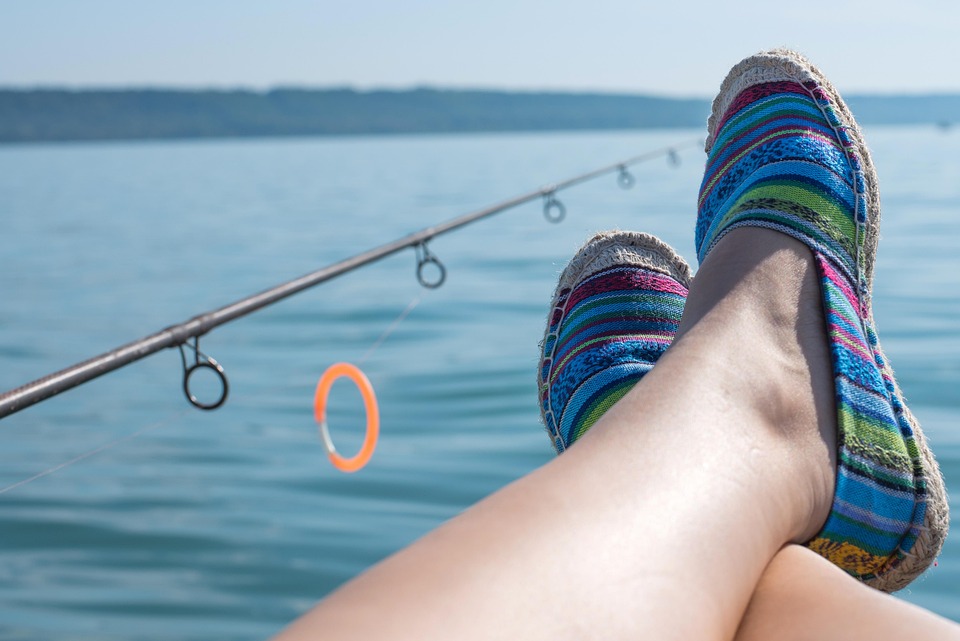


Perch fishing is an enjoyable experience that often draws in families and seasoned anglers alike. Known for their delicious taste and spirited fight, perch are a popular target among freshwater anglers. Whether you’re a beginner or have some experience under your belt, this guide will walk you through the essential strategies and techniques to catch more perch this season.
Understanding Perch Species
In North America, there are several species of perch, the most popular being:
- Yellow Perch: A preferred target for many anglers, recognizable by its vibrant yellow body with dark vertical stripes.
- White Perch: These are closely related to striped bass and are found in brackish water environments.
- Rock Perch: Smaller in size, rock perch are often caught in rocky areas but are less popular for eating.
Familiarizing yourself with these species can help in selecting the right locations and techniques necessary for a productive fishing trip.
The Best Time and Seasons for Perch Fishing
Timing your fishing trip can significantly influence your success rate. Here’s a quick overview of when to target perch:
- Spring: As the water warms, perch become more active and move into shallower waters to spawn. This is an excellent time to catch larger females.
- Summer: Perch are often found in deeper waters during the heat of summer. Early mornings and late evenings can be the best times to fish.
- Fall: As temperatures drop, perch begin to school and feed voraciously. This is a prime time to catch them as they prepare for winter.
- Winter: Ice fishing for perch can be fantastic, especially in areas where they gather in schools beneath the ice.
Essential Gear and Equipment
Having the right gear can make all the difference when pursuing perch. Here’s a rundown of essential equipment:
Rods and Reels
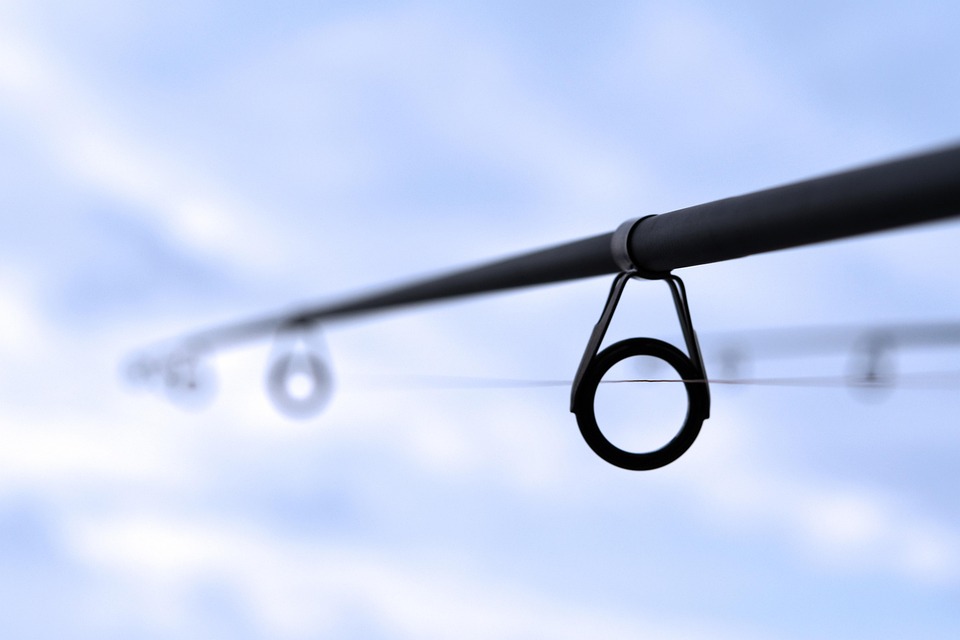
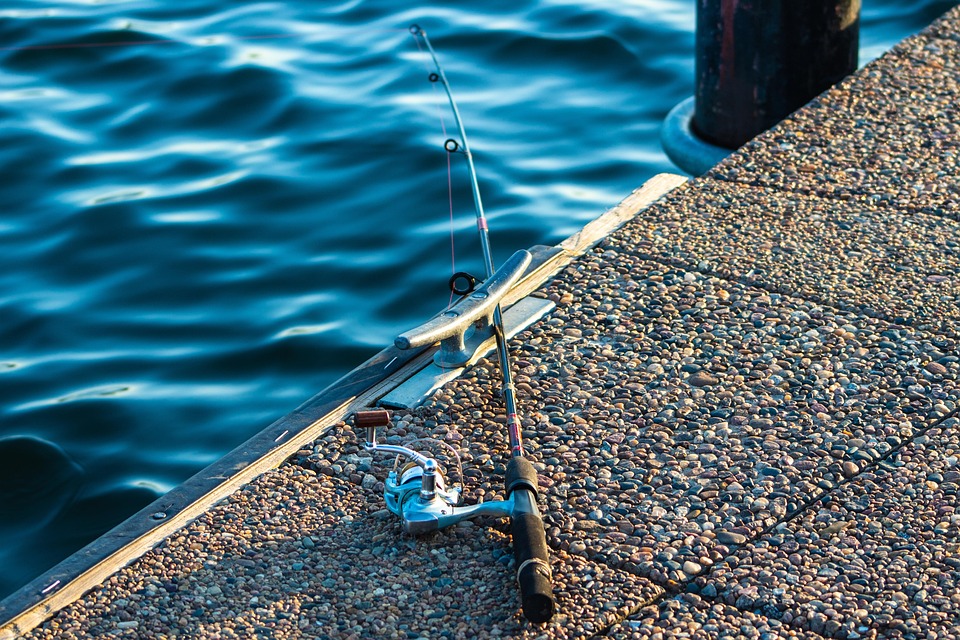
Choose a light to medium-light rod, typically 6 to 7 feet long, paired with a spinning reel. This combination gives you the sensitivity needed to detect light bites while providing enough strength to land larger fish.
Lines
A 4 to 8-pound test monofilament or fluorocarbon line is recommended. These lines are strong yet thin enough to ensure that fish don’t become spooked.
Baits and Lures
Perch can be caught using a variety of baits and lures. Some popular options include:
- Live bait like minnows and worms.
- Jigs: Small jigs in bright colors are effective, especially when tipped with a piece of bait.
- Spinners and spoons: These can draw in attention when retrieved quickly through the water.
Choosing the Right Locations
The next step is identifying the best fishing spots. Look for the following areas:
- Weeds and Vegetation: Perch often hide near aquatic plants, which provide cover and attract baitfish.
- Drop-offs: Look for steep drop-offs on underwater structures where perch may congregate.
- Near Docks and Piers: These structures can serve as attractive habitats for perch.
- Bridges and Points: Look for areas with strong currents where perch often gather in search of food.
Effective Fishing Techniques
Mastering the right techniques can significantly improve your chances of success.
Drifting and Trolling
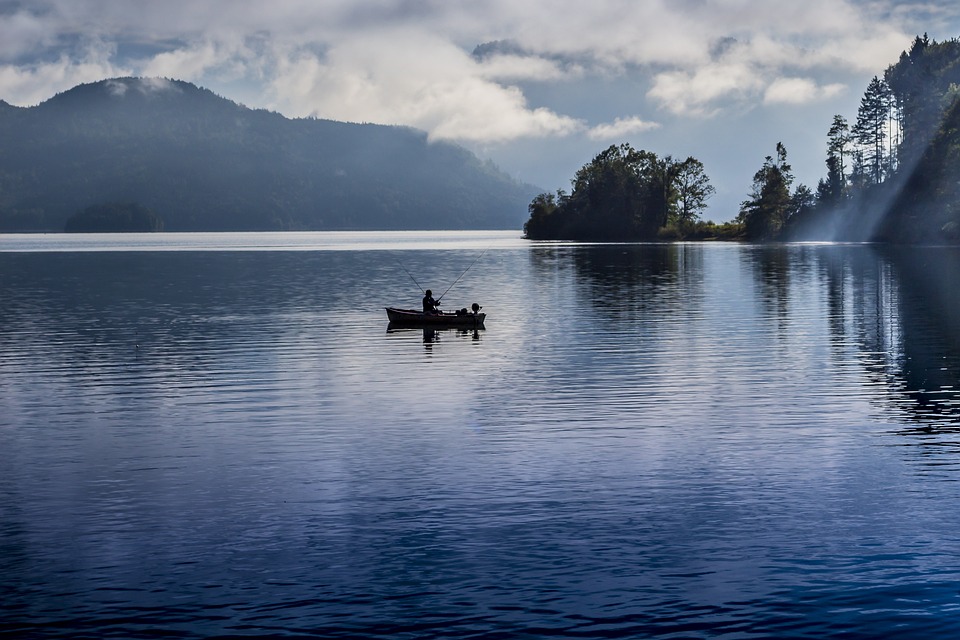
These methods work well for locating schools of perch. Trolling involves moving your bait through the water at low speeds, while drifting allows you to cover more area without using an anchor.
Vertical Jigging
This technique is particularly effective during winter ice fishing. Drop your jig straight down and use short, quick jerks to entice the perch to bite.
Still Fishing
This involves setting your line and waiting for a bite. It’s a great method when fishing near structure or in shallow areas.
Water Conditions and Perch Behavior
Understanding how water conditions affect perch behavior can provide an edge in catching them:
- Water Temperature: Perch are most active between 60°F and 75°F.
- Water Clarity: Clear water often means perch will be more cautious; use lighter tackle in these conditions.
- Weather Patterns: Overcast days can prompt perk to venture out more often while sunny days may push them into deeper waters.
Catch and Release Practices
Promoting sustainability in fishing is essential for future generations. If you plan on releasing your catch, here are some best practices:
- Use barbless hooks or crush the barbs to reduce harm.
- Keep the fish in the water as much as possible during handling.
- Use wet hands or a rubber net to minimize skin damage.
Conclusion
Catching perch this season can be an unforgettable experience when done with the right knowledge and equipment. Whether you’re fishing in a serene lake or battling the elements while ice fishing, understanding perch behavior, choosing the right spots, and employing effective techniques can boost your success rate significantly. With careful planning and the use of sound fishing practices, not only will you have fun on the water, but you will also contribute positively to the sport by ensuring the sustainability of perch populations for future anglers.
FAQs
What is the best bait for perch?
Live minnows and worms are top choices, but jigs tipped with bait can also be effective.
Can perch be caught from shore?
Absolutely! Shore fishing can be successful, especially near structures like docks or weed beds.
What time of day is best for perch fishing?
Early morning and late evening seem to yield the most bites, as perch are more active during these times.
Do I need a fishing license to catch perch?
Yes, a valid fishing license is required in most states and provinces, so check local regulations.
Are perch good to eat?
Yes! Perch are highly regarded for their flakiness and mild flavor, making them a popular choice for dinner tables.
- bass fishing
- Bluegill Fishing
- carp fishing
- catfish fishing
- Crappie Fishing
- freshwater angling
- freshwater bait fishing
- freshwater fishing
- freshwater fishing gear
- freshwater fishing guides
- freshwater fishing species
- freshwater fishing techniques
- freshwater fishing tips
- freshwater fly fishing
- freshwater spinning fishing
- inland fishing
- lake fishing
- lakes fishing
- largemouth bass fishing
- muskie fishing
- panfish fishing
- Perch Fishing
- pike fishing
- pond fishing
- reservoir fishing
- reservoirs fishing
- river fishing
- rivers fishing
- Salmon Fishing
- smallmouth bass fishing
- stream fishing
- Tilapia Fishing
- Trout Fishing
- Walleye Fishing









Leave a comment