









Introduction
Fly fishing is often associated with serene landscapes and the gentle sound of flowing water. For many enthusiasts, it’s more than just a pastime; it is a dream, a passion that connects them with nature. If you’re reading this article, you might be contemplating taking your first steps into this mesmerizing world. With its intricate techniques, specialized gear, and the meditative act of casting, stream fly fishing can seem daunting at first. However, with the right guidance, even beginners can embark on a rewarding journey into the enthralling realm of fly fishing.
Understanding the Basics of Fly Fishing
At its core, fly fishing differs from traditional fishing in its method. Instead of using bait to attract fish, anglers use artificial flies—specifically designed lures that mimic the appearance and movement of insects or small fish. This method requires a different set of skills, but the rewards are immeasurable.
Types of Fly Fishing
- Freshwater Fly Fishing: Often done in rivers and streams, targeting species such as trout, bass, and panfish.
- Saltwater Fly Fishing: Involves fishing in oceans or seas, targeting species like tarpon, bonefish, and striped bass.
Essential Gear for Beginners
Before you step into the stream, let’s take a look at the fundamental gear you’ll need.
1. Fly Rod and Reel
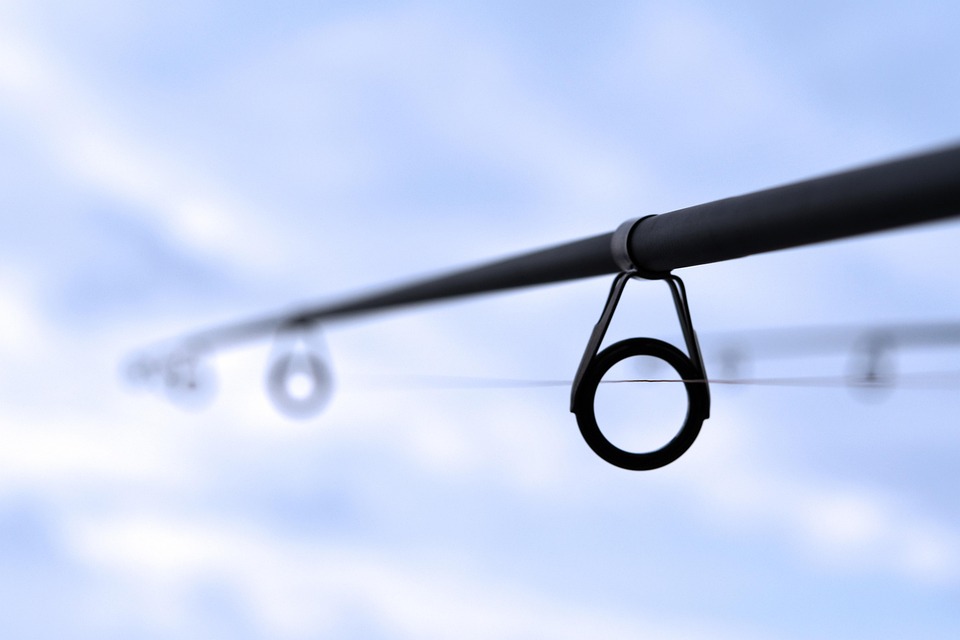
Your fly rod is perhaps the most important piece of equipment. Most beginners should consider a 9-foot, 5-weight rod, which is versatile enough to catch a wide range of freshwater species. Pair it with a matching fly reel, which should be smooth and reliable for reeling in your catch.
2. Fly Line
Fly line is specifically designed to float, sink, or hover in the water. For beginners, a weight-forward floating line is ideal as it enables easier casting.
3. Flies
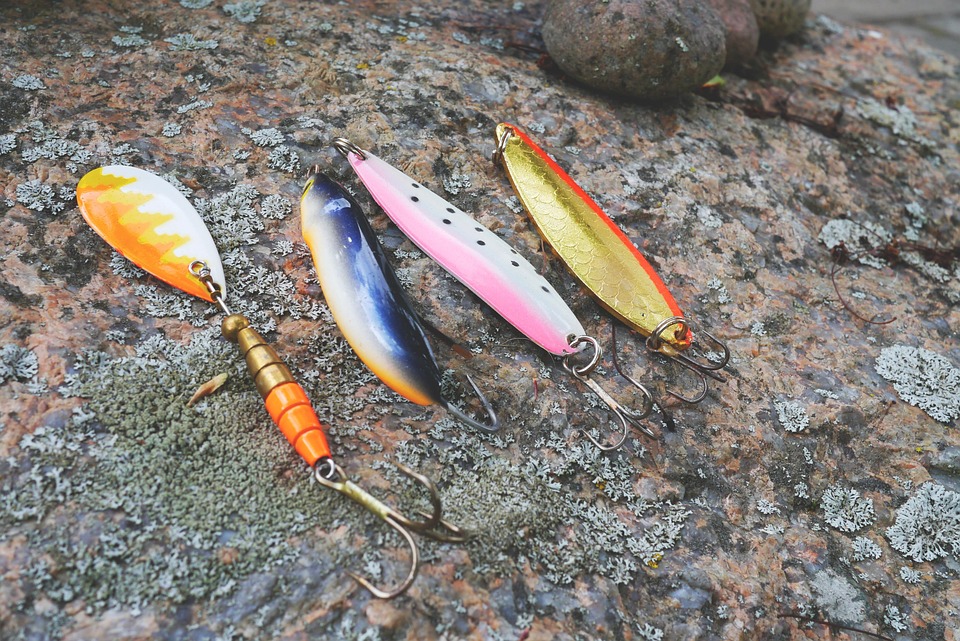
Flies come in various sizes and patterns. As a beginner, you’d want to start with a selection of nymphs, dry flies, and streamers that are effective in your local waters.
4. Waders and Boots
Waders keep you dry while allowing you to wade into the stream. A good pair of wading boots provides traction on slippery rocks.
5. Other Accessories
- Forceps: Useful for removing hooks from fish.
- Landing Net: Helps catch and release fish without harming them.
- Fly Box: Keeps your flies organized and protected.
Learning the Techniques
Mastering the art of casting is essential in fly fishing. A good cast allows your fly to land softly on the water, increasing the chances of catching fish. Here are some techniques to get you started:
1. The Basic Cast
The most fundamental cast is the overhead cast. Here’s how to do it:
- Start with the rod held vertically and the fly line behind your rod.
- Cast the rod forward with a smooth motion, allowing the line to straighten out in front of you.
- As the rod reaches its peak in the forward motion, flick your wrist to release the line, letting the fly land gently on the water.
2. Roll Cast
The roll cast is useful in tight spaces where you can’t perform a full overhead cast. Keep the rod low and roll the line straight over the water before flicking your wrist to release.
Understanding Fish Behavior
Knowledge of fish behavior can significantly enhance your fishing experience. Understanding what fish eat, their preferred habitat, and the times they are most active can provide you with an advantage.
Feeding Patterns
Fish often feed during specific times, especially in the morning and late afternoon. Observing insect activity on the water’s surface can also indicate when fish are likely to be feeding.
Environmental Factors
Water temperature and flow can affect fish behavior. Warmer water often means more active fish, while colder water may require more patience and different techniques.
Choosing the Right Location
Different streams and rivers attract various species, so it’s essential to do your research. Look for local fishing reports, join angling clubs, or consult seasoned anglers about the best spots.
1. Structure
Fish often hide near structures like rocks, fallen trees, or eddies. These areas provide cover from predators and can be excellent fishing spots.
2. Oxygen-Rich Areas
Fast-moving water and areas where water flows over rocks are rich in oxygen, making them attractive to fish.
Catch and Release: A Sustainable Practice
As a beginner, it’s crucial to understand the importance of sustainable fishing practices. Catch and release ensures that fish populations remain healthy while allowing other anglers the opportunity to experience the joy of fishing. Here are some tips:
1. Handle Fish Carefully
Use wet hands or gloves when handling fish to protect their slime coating, which acts as a barrier against disease.
2. Use Barbless Hooks
Barbless hooks make it easier to release fish without causing excessive injury.
Conclusion
Embarking on the journey of stream fly fishing can be one of the most rewarding experiences in nature. Not only does it provide an opportunity to connect with the great outdoors, but it also offers a sense of achievement as you hone your skills and understand the aquatic ecosystem better. Remember, every cast is an invitation to learn, grow, and enjoy the peaceful rhythm of nature. As a beginner, it’s essential to be patient and persistent. With time, practice, and a respect for the environment, you will find that fly fishing is not just about catching fish, but also about casting your dreams into the water and reeling in memories that last a lifetime.
Frequently Asked Questions (FAQs)
1. Do I need a fishing license for fly fishing?
Yes, in most locations, a fishing license is required. Always check local regulations before heading out.
2. What type of rod and reel should I buy as a beginner?
A 9-foot, 5-weight rod and reel combo is versatile for most freshwater fishing needs.
3. How do I choose the right flies?
Start with a variety of nymphs, dry flies, and streamers. Research local fishing reports to learn about the best flies for your area.
4. Do I need to take a class to learn how to fly fish?
While not mandatory, taking a class or guided trip can significantly expedite the learning process and provide you with valuable insights.
5. How can I practice my casting technique?
Practice on a lawn or in an open area without obstacles. Many fly shops also offer casting clinics.
- advanced fly fishing
- bass fly fishing
- dry fly fishing
- fly casting techniques
- fly fishing
- fly fishing destinations
- fly fishing flies
- fly fishing for beginners
- fly fishing gear
- fly fishing guides
- fly fishing reels
- fly fishing rivers
- fly fishing rods
- fly fishing species
- fly fishing techniques
- fly fishing tips
- fly tying
- fly tying patterns
- freshwater fly fishing
- lake fly fishing
- nymph fishing
- river fly fishing
- salmon fly fishing
- saltwater fly fishing
- steelhead fly fishing
- stream fly fishing
- streamer fishing
- trout fly fishing
- wet fly fishing
- worldwide fly fishing











Leave a comment