



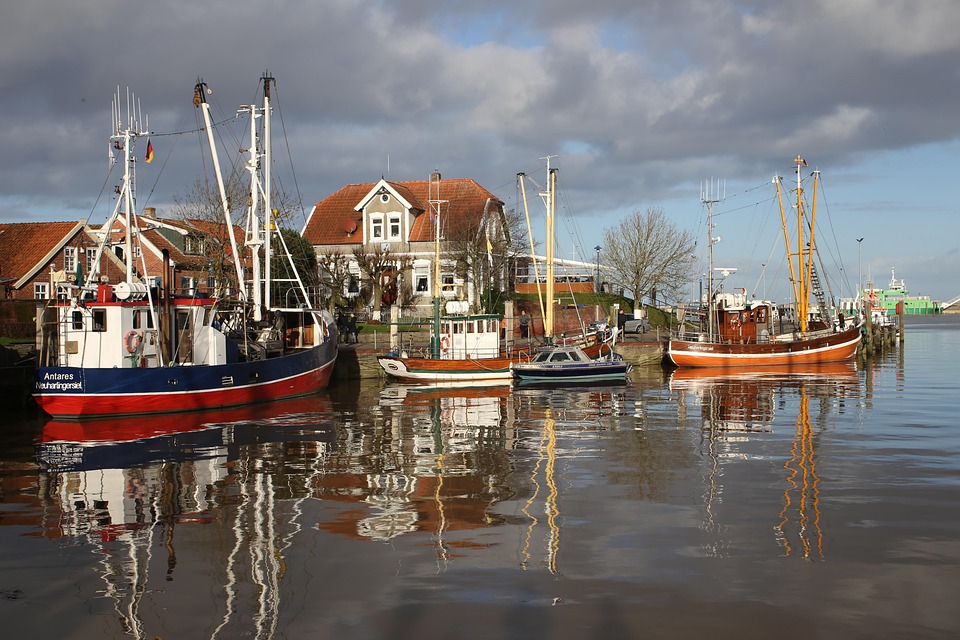
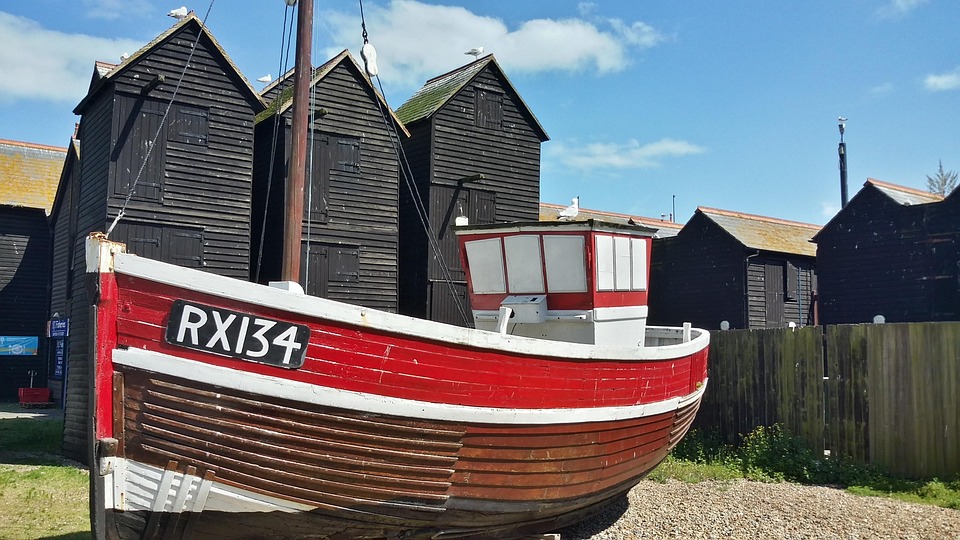
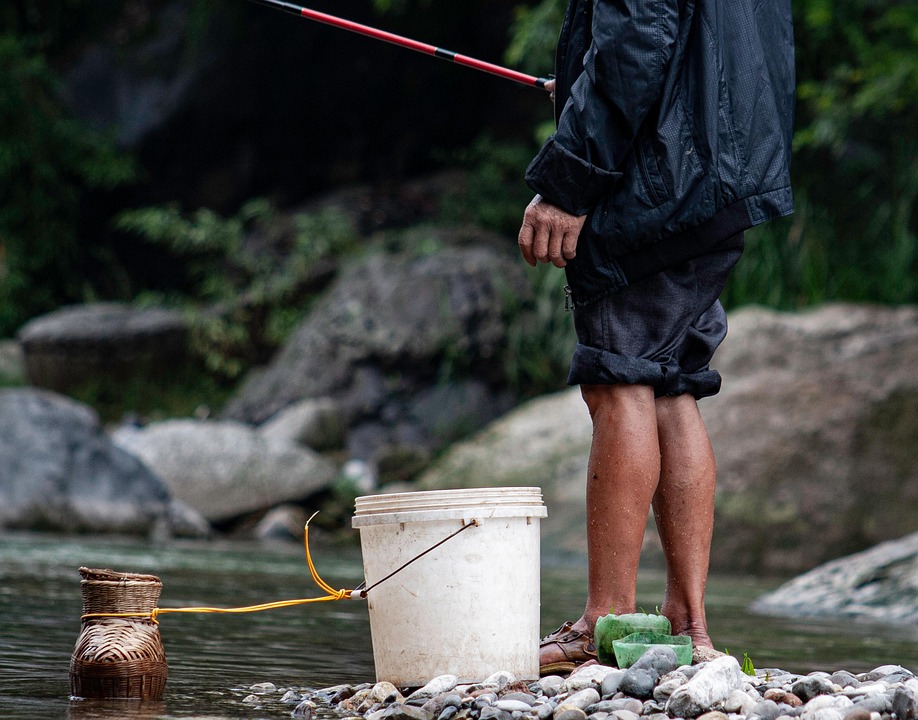


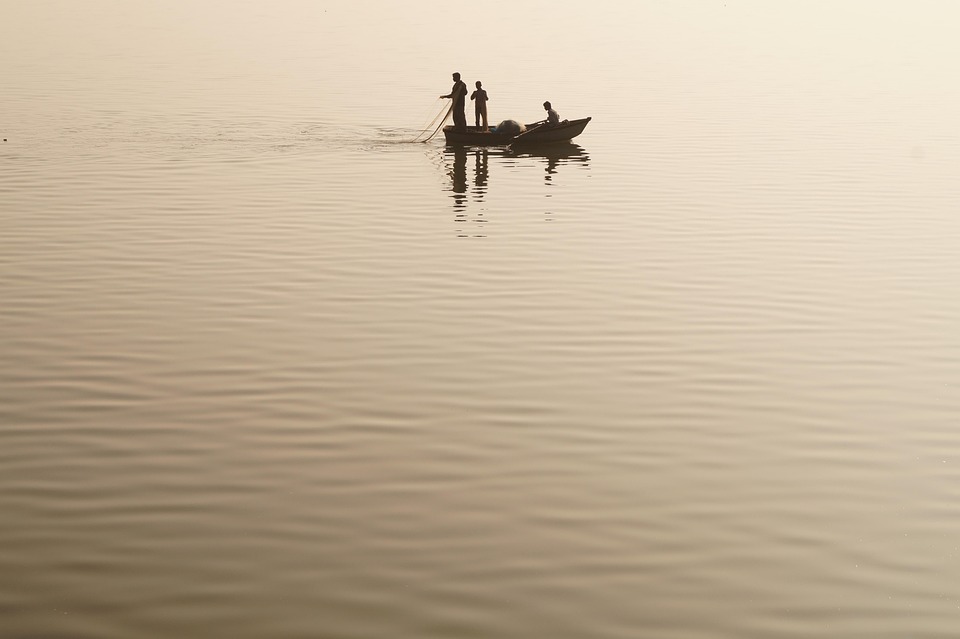



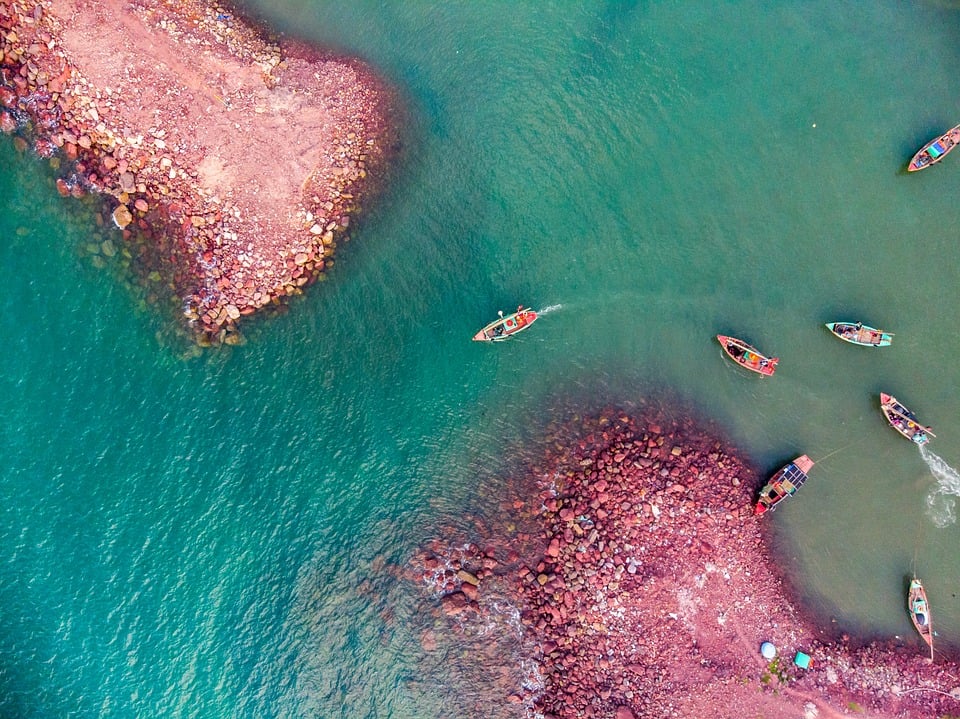
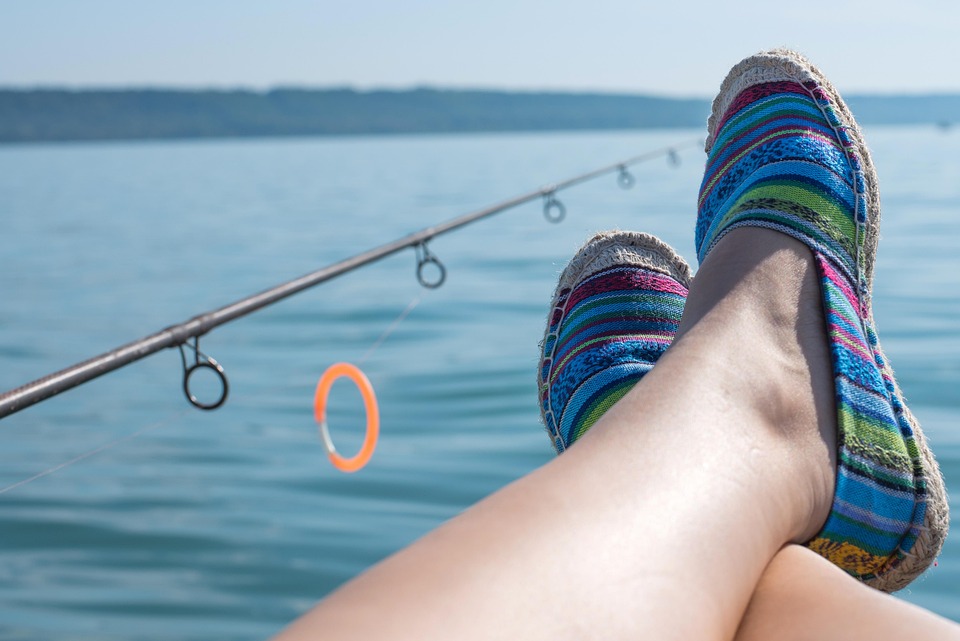


Fishing is more than just a hobby for millions of enthusiasts worldwide; it is a way of life. The tranquility of the water, the excitement of the catch, and the camaraderie of fellow anglers create an experience like no other. Whether you’re a seasoned veteran or a novice looking to cast your first line, understanding the fundamentals of fishing can significantly enhance your experience. In this article, we will explore essential tips that every angler should know, from the gear to technique and environmental responsibility.
Understanding Your Gear
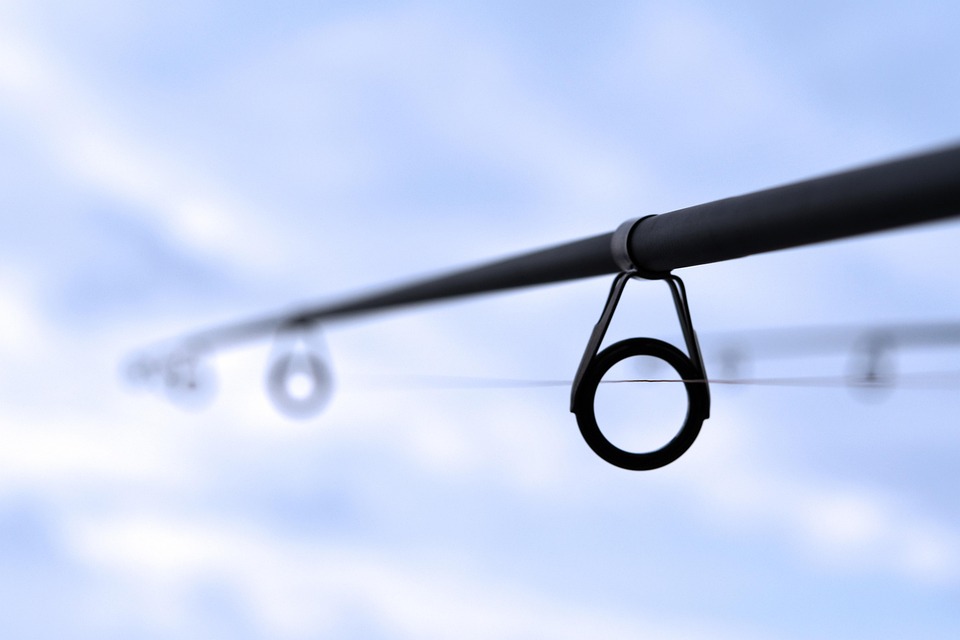
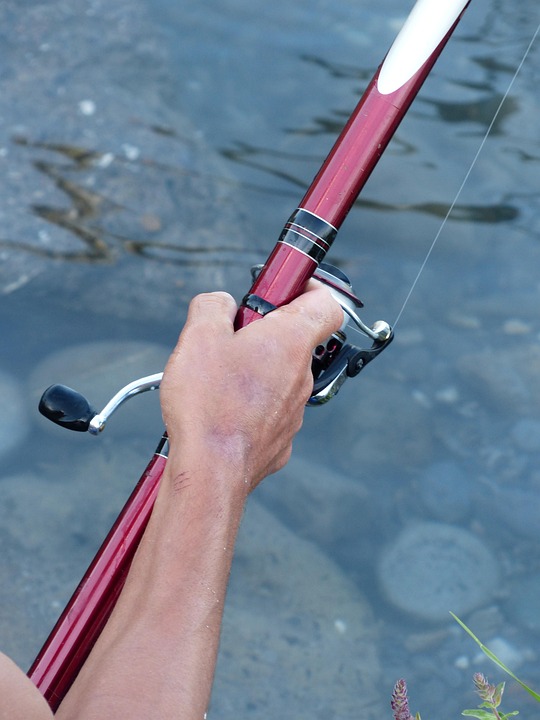
Your fishing gear consists of the rod, reel, lines, lures, and bait. Selecting the right equipment is crucial for a successful fishing experience.
Choosing the Right Rod and Reel
The backbone of your fishing setup is the rod. When choosing a rod, consider the type of fishing you will be doing:
- Spinning Rods: Ideal for beginners and versatile for various fishing methods.
- Baitcasting Rods: Perfect for accuracy but require more experience to master.
- Fly Rods: Used specifically for fly fishing; these rods are lightweight and flexible.
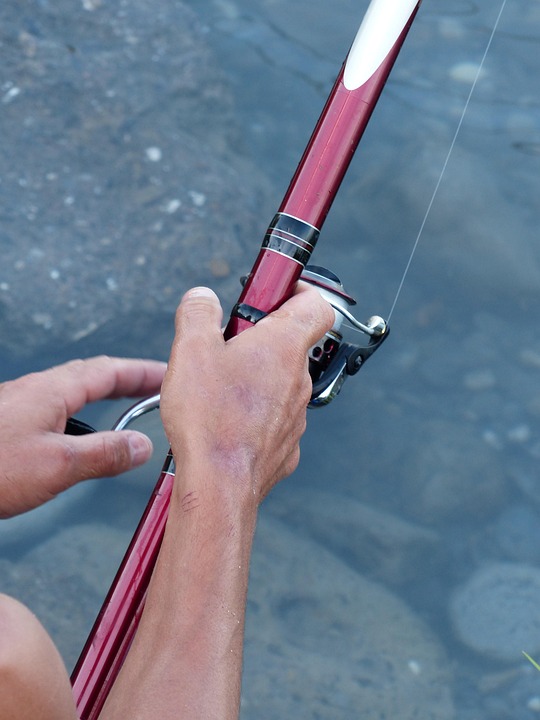
Pair your rod with a suitable reel. Spinning reels are user-friendly and great for beginners, while baitcasting reels offer more control for experienced anglers.
Understanding Lines
The fishing line is critical, as it connects you to the fish. Common types include:
- Monofilament: Flexible, easy to handle, and affordable, making it a great choice for beginners.
- Braid: Stronger and thinner, providing better sensitivity but requiring a different technique.
- Fluorocarbon: Invisible underwater and ideal for clear waters.
Baits and Lures
Choosing the right bait is essential. Live bait like worms or minnows work effectively, but artificial lures can also attract fish with the right technique:
- Jigs: Versatile and can be used in various conditions.
- Spinners: Hard lures that create vibrations to entice fish.
- Swimbaits: Mimic the movement of fish and work well for larger species.
Techniques for Success
Understanding Casting Techniques
Proper casting is vital for successful fishing. Begin with the basic overhead cast, ideal for open waters:
- Hold your rod at a 45-degree angle.
- Draw the rod back over your shoulder and then flick it forward.
- Release the line when the rod is pointing straight ahead.
For more accuracy, practice sidearm casting, which is helpful in tight spaces like rivers or under overhanging trees.
Reading the Water
Understanding water currents, temperature, and structure can significantly increase your chances of catching fish. Look for:
- Structures: Rocks, fallen trees, and weeds are ideal hiding spots for fish.
- Temperature Changes: Fish are more active in warmer waters, especially during early morning or late evening.
- Current Breaks: Fish often gather in areas where the current is disrupted.
Patience and Persistence
Fishing is as much about patience as it is about skill. It may take time before you hook a fish, so be prepared to spend hours waiting for the right moment. Use this downtime to enjoy the surroundings, interact with fellow anglers, or practice your casting.
Environmental Responsibility
As an angler, you have a responsibility towards the environment. Sustainable fishing practices help preserve fish populations and their habitats.
Catch and Release
If you don’t plan to eat your catch, practice catch and release. This technique helps maintain fish stocks and ensures future generations can enjoy fishing. Use barbless hooks to minimize injury and handle fish gently to increase their chances of survival.
Follow Local Regulations
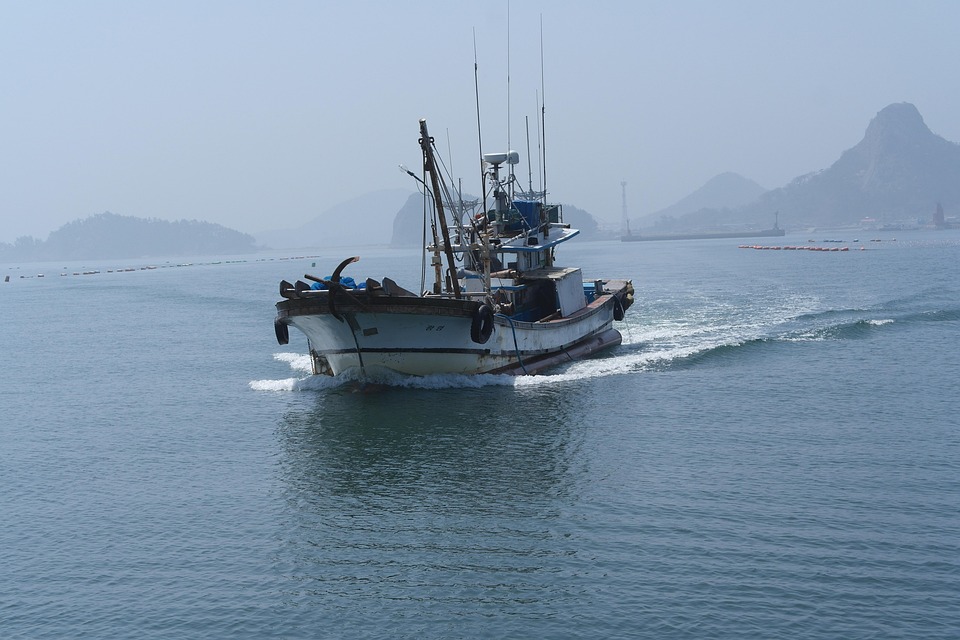
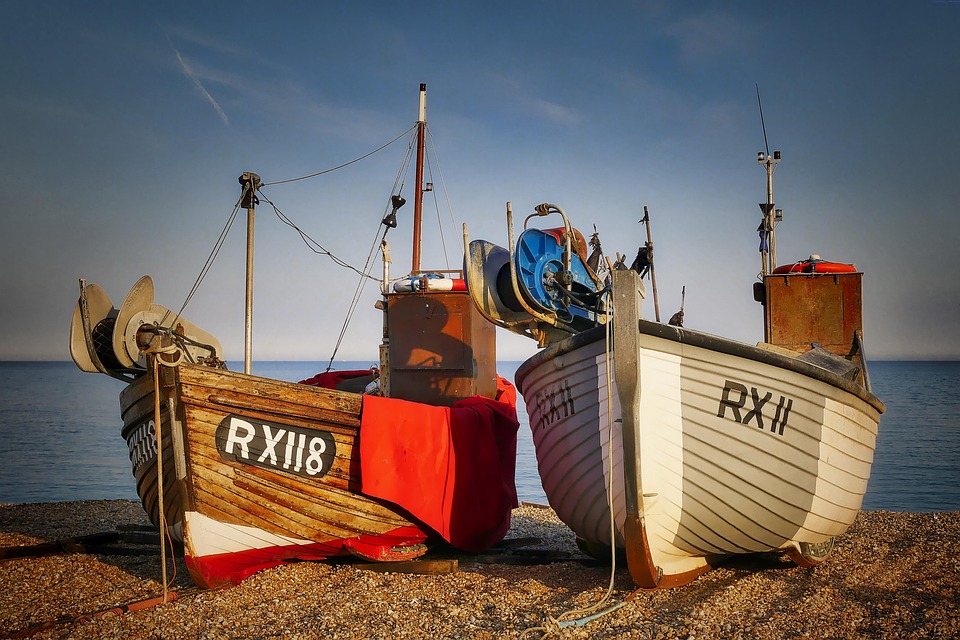
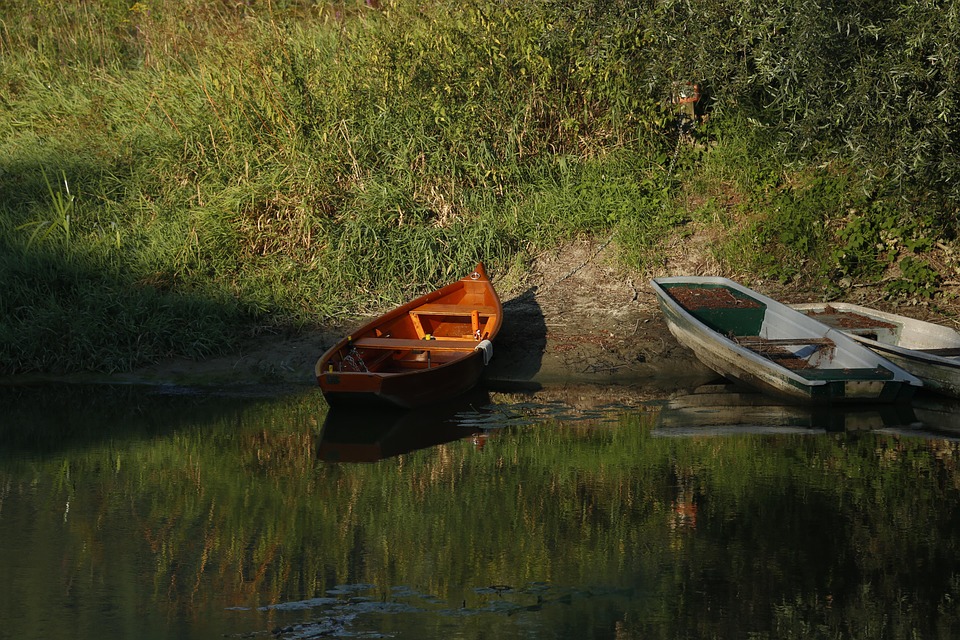
Each area has specific fishing regulations including size, bag limits, and seasonal restrictions. Always familiarize yourself with these rules to protect aquatic ecosystems.
Conclusion
Fishing is a rewarding pastime, rich in tradition and practice. By understanding your gear, employing effective techniques, and respecting the environment, you can enhance your fishing experience. Whether you seek solitude or social interaction, every cast has the potential to become a cherished memory. Remember, the essence of fishing lies not just in the catch, but in the experience itself.
FAQs
1. What is the best time to fish?
The best time to fish is generally early in the morning and late in the evening when fish are most active.
2. Do I need a fishing license?
Yes, most regions require you to obtain a fishing license. Check local regulations for specific requirements.
3. What should I do if I catch a fish I don’t intend to keep?
Practice catch and release. Use barbless hooks and handle the fish gently to maximize its chances of survival.
4. How can I improve my fishing skills?
Spend more time fishing, practice your casting, and consider joining local fishing clubs or workshops for tips and advice from experienced anglers.
5. What is the difference between freshwater and saltwater fishing?
Freshwater fishing occurs in lakes, rivers, and ponds, while saltwater fishing takes place in oceans and seas. Each type requires different gear and techniques.
- fishing bait tips
- fishing gear hacks
- fishing hacks
- fishing knot guides
- fishing knot techniques
- fishing knot tying
- fishing knots
- fishing knots for advanced
- fishing knots for beginners
- fishing leader knots
- fishing line knots
- fishing loop knots
- fishing lure tips
- fishing rig guides
- fishing rig hacks
- fishing rig setups
- fishing rig tips
- fishing rig tricks
- fishing rigs
- fishing strategies
- fishing techniques
- fishing tips
- fishing tips and tricks
- fishing tips for beginners
- fishing tips for experts
- fishing tips for freshwater
- fishing tips for saltwater
- fishing tips online
- fishing tricks
- fishing tricks for better catch









Leave a comment