













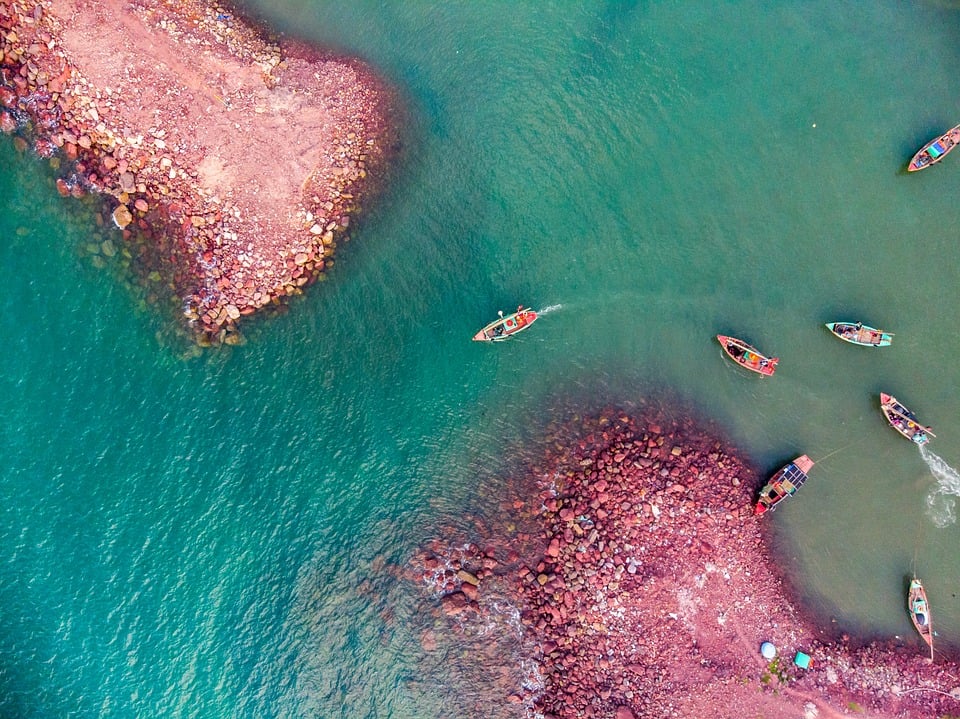


Catfish are not just ordinary fish; they are an adventure wrapped in scales. Known for their tenacity, size, and culinary value, catfish fishing is a sport enjoyed by novices and seasoned anglers alike. From the muddy banks of rivers and lakes to competitive fishing tournaments, mastering catfish fishing can transform your fishing expeditions into memorable tales of triumph. Let’s dive deep into the realm of catfish fishing, armed with insights and techniques from professional anglers.
Understanding Catfish Species
Before sharpening your hooks and preparing your bait, it’s essential to understand the different species of catfish. The most common types include:
-
- Channel Catfish: Known for their adaptability and willingness to bite, they thrive in various waters and can grow up to 50 pounds.
-
- Flathead Catfish: Aggressive predators that hunt other fish, flatheads can reach up to 100 pounds. They prefer deep pools and heavy cover.
-
- Blue Catfish: Revered for their size, they can exceed 100 pounds. They are primarily found in larger rivers and lakes.
Recognizing these species is vital, as different tactics and baits may be necessary for each. Professional anglers often emphasize that your strategy should align with the species present in the waters you are fishing.
Choosing the Right Gear
Your gear can be the difference between a successful fishing trip and mere casting practice. Here are key gear choices professionals recommend:
-
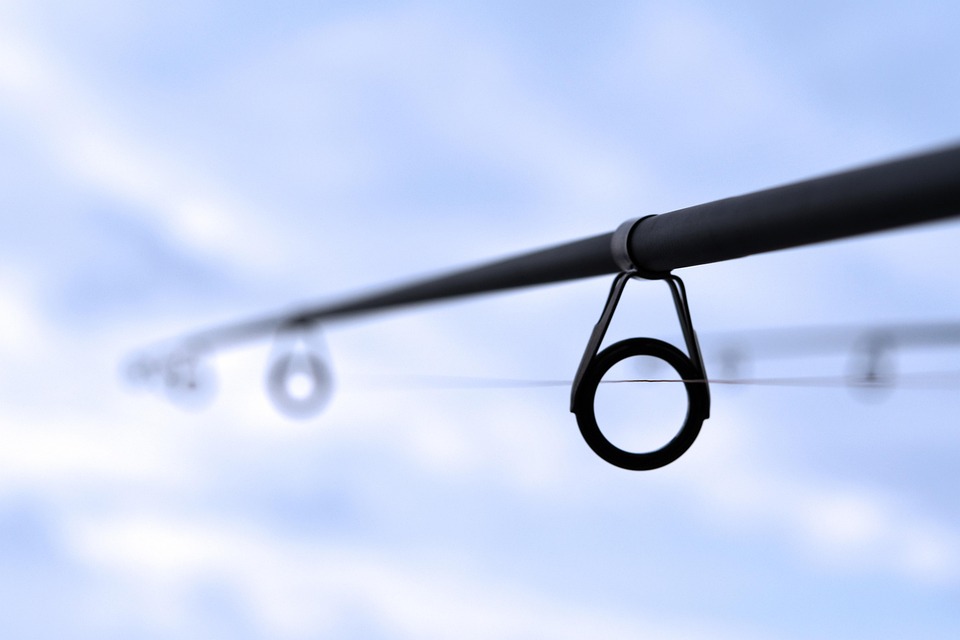
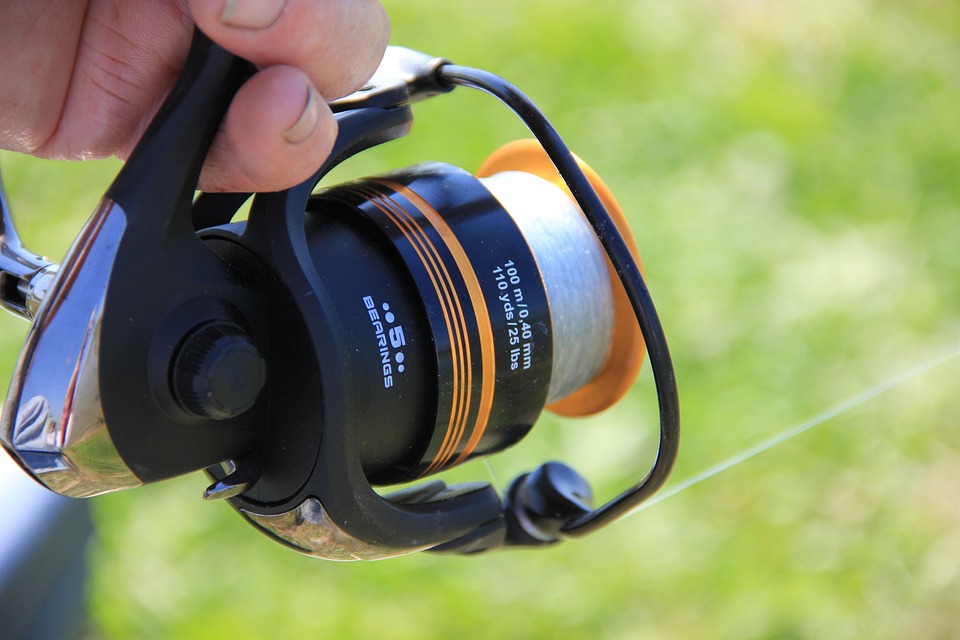
- Rod and Reel: A medium to heavy-action rod paired with a baitcasting or spincast reel is ideal for handling larger catfish while providing sensitivity to detect bites.
-
- Line: Braided line for catfishing is popular due to its strength and resistance to abrasion. A test line of 30-50 pounds is usually sufficient.
-
- Hooks: Circle hooks are preferred for their effective catch and release capability, while traditional J-hooks work well for baited fishing.
Finding the Right Location
Location is fundamental in catfish fishing. Here are some tips to help you find the best spots:
-
- Deep Pools: Catfish often venture into deeper waters during the day but may come nearer to the surface at night.
-
- Structure: Look for submerged rocks, fallen trees, or any structures where catfish can hide and ambush prey.
-
- Current Breaks: Areas where the current slows down can create feeding lanes, attracting catfish looking for easy meals.
According to pro angler Mike Mitchell, “If you’re not fishing in areas where catfish are likely to hunt, you’re just throwing your line into the void.” Implementing this knowledge enhances your chances of making a catch.
Perfecting Bait Selection
Choosing the right bait is often debated among anglers. Various types of bait can attract catfish based on their feeding tendencies:
-
- Live Bait: Minnows, shad, and nightcrawlers are excellent options, especially for larger catfish.
-
- Cut Bait: Fresh cut fish pieces can effectively attract catfish due to their strong scent.
-
- Stink Bait: Commercially prepared stink baits or homemade recipes (using ingredients like cheese, blood, and fish) often yield good results.
“Experimenting with bait can lead you to your biggest catch,” warns pro angler Lisa Greene. Always keep an arsenal of various bait types in your tackle box to adapt to the fish’s current preferences.
Timing Your Fishing Trips
The best times to fish for catfish often coincide with their feeding patterns:
-
- Early Morning and Late Evening: Catfish are most active during low-light conditions and tend to feed heavily.
-
- Moon Phases: Many anglers believe that fishing during a full moon can result in better catches, as catfish hunt more actively.
Seasonality also matters. Spring and fall often yield the best results as catfish are more actively feeding ahead of spawning and during cooler months.
Employing Effective Fishing Techniques
Various techniques can be employed to enhance your catfishing experience:
-
- Drifting: This involves letting your bait flow with the current, allowing it to cover more ground and attract catfish.
-
- Anchor Fishing: If you know the specific spots where catfish cluster, anchoring can provide stability and prolonged exposure.
-
- Jug Fishing: A fun method where floating jugs are set with bait, allowing you to cover a large area.
Angler Tom Sanders states, “The technique you choose should match the conditions on the water; don’t be afraid to switch it up!” Flexibility can be a game-changer.
Handling and Releasing Catfish
For ethical fishing, it’s crucial to know how to properly handle and release catfish. This ensures their survival if they are not kept for consumption:
-
- Wet Your Hands: Before touching a catfish, dampen your hands to protect their slime coat.
-
- Use a Landing Net: To minimize stress on the fish and avoid injuries.
-
- Revive Before Release: If fishing for sport, gently hold the catfish in the water, moving it back and forth to allow water to flow over its gills.
Conclusion
Mastering the art of catfish fishing requires a blend of knowledge, strategy, and patience. By understanding catfish species, equipping yourself with the right gear, selecting optimal locations, and employing effective techniques, you can significantly increase your chances of landing your next trophy fish. Remember that every fishing trip is an opportunity to learn. So grab your rod, embrace the challenge, and set out on an exciting quest to master the waters with fellow anglers!
FAQs
1. What is the best time of year to fish for catfish?
The best times to fish for catfish are typically during the spring and fall, when they are actively feeding. Early mornings and late evenings are also prime times.
2. What size rod and reel do I need for catfishing?
A medium to heavy-action rod paired with a robust baitcasting or spincast reel is recommended. This setup will help you manage larger fish effectively.
3. Can I catch catfish during the day?
Yes, catfish can be caught during the day, particularly in deeper waters or structures where they might be hiding. However, they tend to bite more actively during low-light conditions.
4. Is it necessary to use live bait for catfish?
While live bait is effective, cut bait and stink bait can also be very successful. Experimenting with different baits can lead to better results based on the fishing conditions.
5. How do I properly handle and release a catfish?
Always wet your hands before handling a catfish to protect their slime coat. Use a landing net, and if you plan to release the fish, ensure it is revived by moving it gently in the water prior to letting it go.
- advanced catfish fishing
- blue catfish fishing
- catfish angling
- catfish bait
- catfish fishing
- catfish fishing for beginners
- catfish fishing gear
- catfish fishing guides
- catfish fishing reels
- catfish fishing rods
- catfish fishing seasons
- catfish fishing spots
- catfish fishing tactics
- catfish fishing techniques
- catfish fishing tips
- catfish hooks
- catfish rigs
- catfish species
- channel catfish fishing
- cut bait catfish fishing
- deep water catfish fishing
- flathead catfish fishing
- lake catfish fishing
- live bait catfish fishing
- monster catfish fishing
- night catfish fishing
- river catfish fishing
- shallow water catfish fishing
- stink bait catfish fishing
- trophy catfish fishing















Leave a comment