















Predator fishing is an exhilarating challenge that brings anglers face-to-face with some of the most exciting species in freshwater and saltwater environments. Whether you are hunting for pike, bass, or saltwater species like tarpon and snook, understanding the right baits to use is crucial for a successful outing. This guide delves into the different types of baits, their uses, and tips for mastering the art of predator fishing.
Understanding Predator Fish
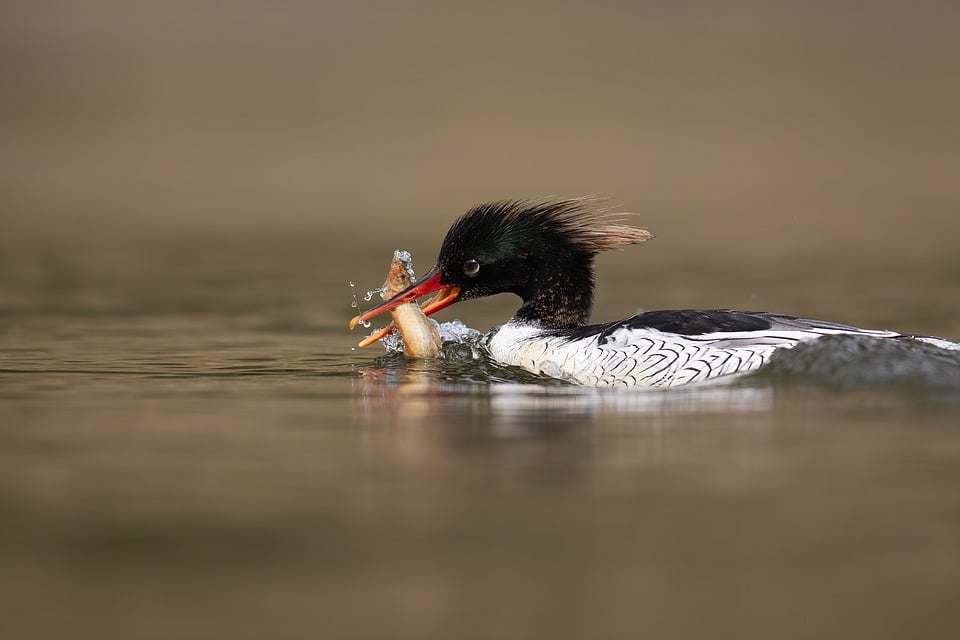
Predator fish are characterized by their carnivorous diets. They typically rely on speed, stealth, and tactics to catch their prey. Common predator species include:
- Pike: Known for their aggressive nature and sharp teeth, pike thrive in freshwater lakes and rivers.
- Bass: Their adaptability makes bass one of the most sought-after species among anglers.
- Walleye: Recognized for their challenging catch due to their nocturnal habits.
- Tarpon: Renowned for their acrobatic fight and strength in saltwater environments.
Knowing the characteristics and feeding habits of these predators will help you select the right bait. Understanding the environment—whether it’s murky waters or deep structures—also plays a vital role in bait selection.
Types of Baits to Use
Choosing the right bait can make or break your fishing trip. Here’s a breakdown of the most effective bait types for predator fishing:
1. Live Bait
Live bait is often considered the most effective choice because it mimics the natural prey of predator fish. Common live baits include:
- minnows – A staple for many predators, they are effective for bass and pike.
- shad – Ideal for larger predator species, shad excel in freshwater and saltwater.
- worms – Nightcrawlers and red wigglers are excellent for a variety of freshwater species.
When using live bait, ensure that it is lively and fresh. Hooks must be sized appropriately to avoid injuring your bait too much, as this may limit its effectiveness.
2. Dead Bait
Sometimes, dead bait can be just as effective. Fish such as mackerel and herring are popular choices for targeting larger predators, especially in colder months when fish are less active. Here are some tips for using dead bait:
- Double rigging can be effective to present two baits at different depths.
- Cutting the bait can release oils and scent, attracting predators from a distance.
3. Lures
Lures are an indispensable tool for predator fishing and come in various styles, each designed to simulate the movement and appearance of prey. Some popular types include:
- Spinnerbaits – Known for their flashy blades, they create vibrations that attract fish.
- Crankbaits – These mimic injured fish and can be fished at various depths.
- Topwater lures – Excellent for surface feeding fish, creating exciting surface strikes.
When using lures, consider the color, weight, and movement. Experimentation is key to finding the best combination for specific fish and conditions.
4. Soft Plastics
Soft plastic baits are versatile, imitating a wide range of prey. They can be rigged in numerous ways and are particularly effective for:
- Wacky rigging: Great for bass fishing, providing a slow sinking action.
- Texas rigging: Allows for weedless presentations in heavy cover.
The ability to modify soft plastics gives anglers an edge, as they can adapt to various habitats and fish behaviors.
Choosing the Right Bait for Specific Species
Each predator species has its preferences. Understanding these will enhance your chances of success:
Pike
Pike are aggressive and driven by sight. They can be targeted effectively using:
- Large spinnerbaits.
- Swimbaits that resemble fish.
- Live suckers or dead bait.
Bass
For bass, consider the following:
- Topwater lures in early morning and late evening.
- Soft plastics during the day.
- Crankbaits for covering distance.
Walleye
Night fishing is common for walleye; use:
- Jigging with live minnows.
- Nightcrawler harnesses.
- Crankbaits during daylight.
Saltwater Species
For species like tarpon and snook, consider:
- Live bait like mullet or shrimp.
- Swimbaits that mimic baitfish.
- Slow-retrieving plugs for a natural presentation.
Tips for Successful Predator Fishing
- Match the Hatch: Always pay attention to what prey is available in the water. This can significantly influence your bait choice.
- Be Aware of Water Temperature: Different species have varying responses to temperature changes, affecting their feeding habits.
- Time of Day: Early morning and late evening are usually the best times for predator fishing, as fish become more active.
- Experiment: Don’t be afraid to switch baits if you’re not getting bites. Sometimes, the fish are picky or in a mood that requires a change in strategy.
Conclusion
Mastering the art of predator fishing is as much about strategy as it is about choosing the right bait. By understanding the habits and preferences of different species, combined with the right techniques and approaches, anglers can enhance their chances of landing the catch of the day. Whether you’re a seasoned angler or a novice, embracing the knowledge of various baits will lead to more fruitful fishing adventures. Remember: patience, practice, and a keen eye for detail set successful anglers apart in the world of predator fishing.
FAQs
1. What’s the best time of year for predator fishing?
The best time varies by species but generally, spring and fall are prime times when predator fish are most active. Summer can also be productive in the early morning and late evening hours.
2. How do I choose the right hook size for live bait?
Choose a hook that fits the size of the live bait without damaging it. As a general rule, the hook should be roughly one-third the length of the bait.
3. Can I use artificial lures instead of live bait?
Yes! Artificial lures can be very effective and are often easier to use and store than live bait. Experiment with different colors and movements to find what works best.
4. How do weather conditions affect predator fishing?
Weather can significantly impact fish behavior. Overcast days are often considered better for fishing, while clear, bright days can make fish more wary.
5. What is “match the hatch”?
It refers to selecting bait that resembles the natural prey currently available in the water. This strategy can lead to more successful catches as it aligns your offering with the fish’s natural feeding patterns.
- advanced predator fishing
- aggressive fish fishing
- barracuda fishing
- barracuda lure fishing
- freshwater predator fishing
- large predator fishing
- muskie fishing
- muskie lure fishing
- pike fishing
- pike lure fishing
- predator angling
- predator fishing
- predator fishing baits
- predator fishing destinations
- predator fishing for beginners
- predator fishing gear
- predator fishing guides
- predator fishing lures
- predator fishing reels
- predator fishing rigs
- predator fishing rods
- predator fishing seasons
- predator fishing spots
- predator fishing tactics
- predator fishing techniques
- predator fishing tips
- predatory fish fishing
- saltwater predator fishing
- zander fishing
- zander jigging
















Leave a comment