














Catfish fishing is not merely a pastime; it’s a passionate pursuit for many anglers. Whether you’re a beginner or an experienced veteran, understanding the nuances of catfish fishing can elevate your experience and success. This article outlines effective techniques, equipment recommendations, and insider tips to master the art of catfish fishing.
Understanding Catfish: Species and Behavior
Before diving into techniques, it’s essential to understand the different species of catfish. The most commonly sought after are:
- Channel Catfish: Known for their adaptability, these catfish are prevalent in lakes and rivers. They are identifiable by their forked tail and can grow over 20 pounds.
- Flathead Catfish: These have a distinct flat head and are typically found in rivers. Flatheads can reach sizes of over 100 pounds.
- Blue Catfish: Recognizable by their blue-gray color, these are the largest catfish species, often exceeding 100 pounds.
Understanding the behavior of these fish is crucial; they tend to feed more actively during the evenings and nights, which aligns with their natural instincts as nocturnal predators. Water temperature and weather conditions also affect feeding behavior.
Essential Gear and Equipment
To maximize your success in catfish fishing, having the right gear is fundamental. Here’s what you need:
Fishing Rod and Reel
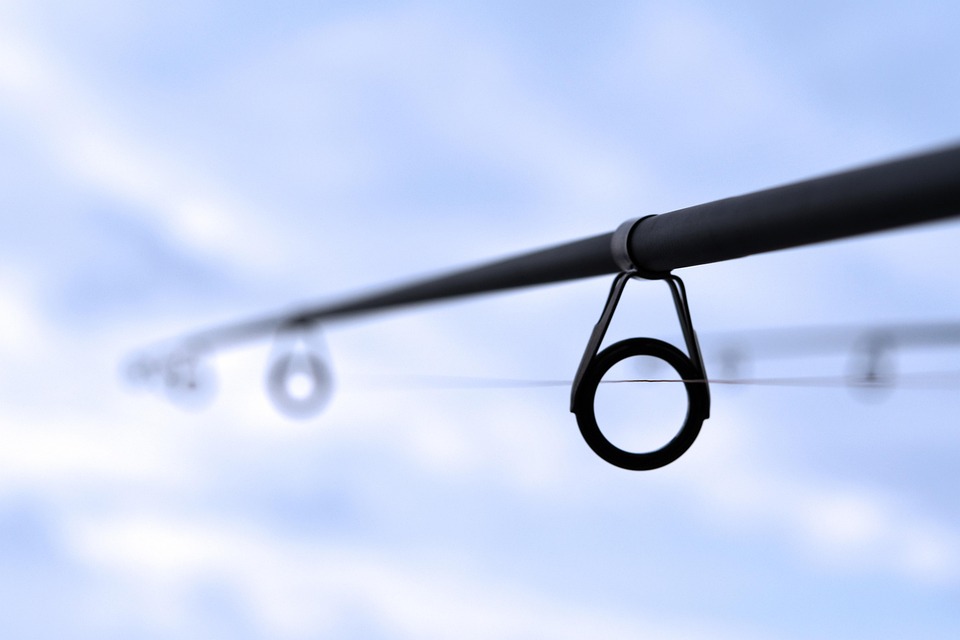
Select a sturdy rod; a medium to heavy action rod typically does the job. A baitcasting reel with a good drag system is preferable for larger species.
Bait
Catfish are not picky eaters and can be caught using a variety of baits. Common choices include:
- Live Bait: Shad, minnows, and worms.
- Cut Bait: Sections of fish like shad or carp work well.
- Stink Bait: Commercially prepared baits that give off a strong smell.
Hooks and Line
Use strong hooks; circle hooks are popular as they often result in better hook-ups. A line with a test strength of at least 20-30 pounds is recommended for larger catfish.
Key Techniques for Catfish Fishing
Location, Location, Location
Choosing the right location can make all the difference. Catfish typically reside in deeper waters during hot weather, while during cooler months, they tend to move shallower. Look for areas near:
- Deep holes
- River bends
- Structure like fallen trees or rocks
Different Fishing Methods
There are multiple methods for catfish fishing, each with unique advantages:
- Bank Fishing: A traditional method perfect for beginners and provides excellent access to shallow waters.
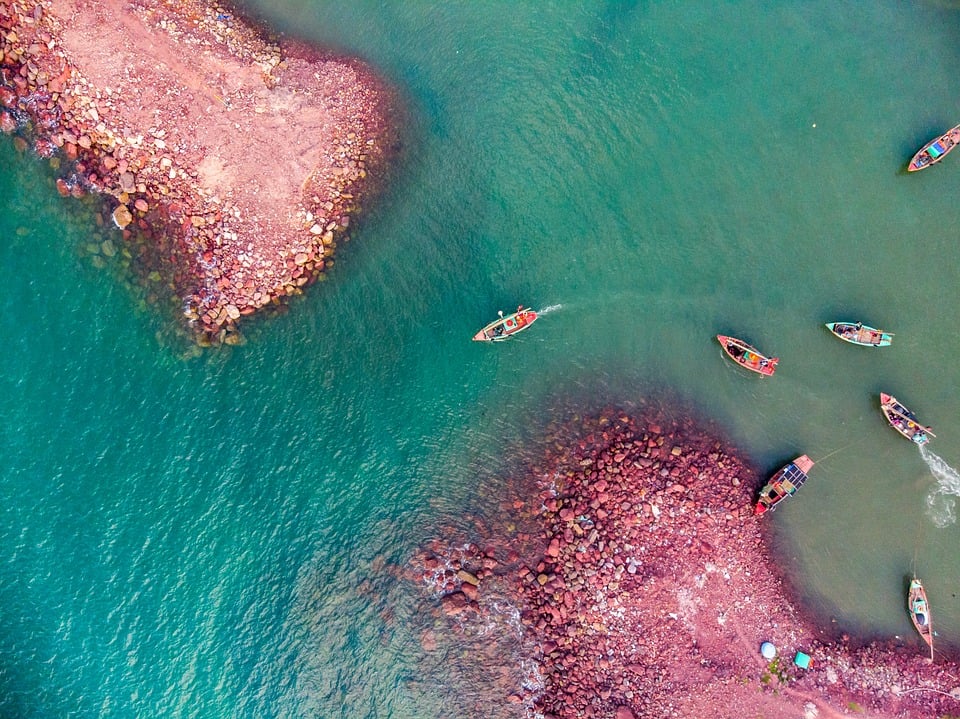
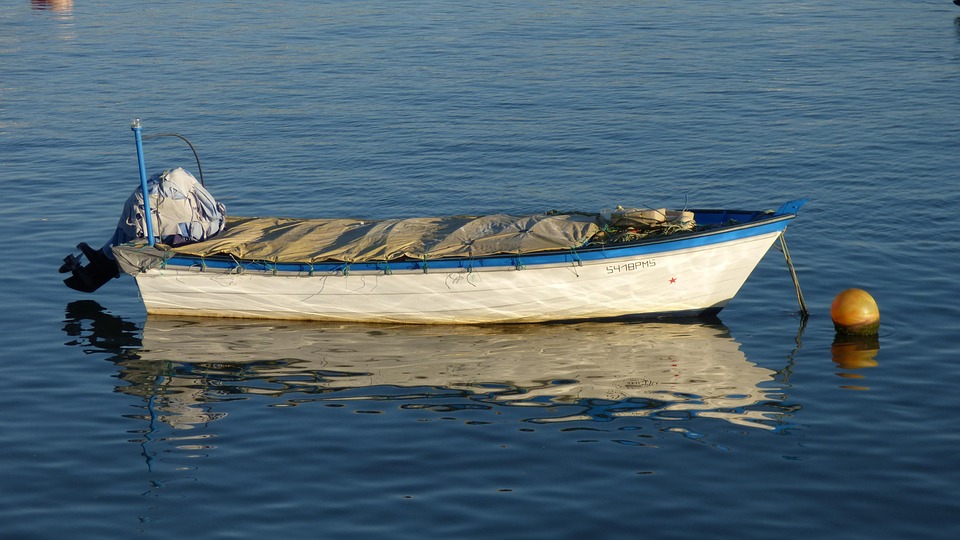
- Boat Fishing: Allows access to deeper waters and more remote locations, increasing your chances of a big catch.
- Jug Fishing: Utilizing jugs to present bait at various depths; it’s effective for covering more ground in search of catfish.
Time Your Fishing Trip
The best times to fish for catfish are typically at dawn and dusk, as they’re more active. Adjust your fishing schedule accordingly to align with these peak feeding times.
Catfish Fishing Tips for Success
Patience is Key
Catfish fishing often requires patience. Unlike other species, catfish may take their time to explore bait before committing. Allow them time to latch onto your bait before setting the hook.
Adjust Your Techniques
If you’re not catching fish after a reasonable period, don’t hesitate to change your bait or locations. Experimenting can yield surprising results.
Utilize Electronics
Modern technology can be an advantage. Fish finders can help identify underwater structures and locate schools of fish, increasing your chances of success.
Conclusion
Mastering the art of catfish fishing requires a mix of knowledge, technique, and patience. By understanding the different species, preparing with the right gear, and employing effective fishing methods, you can enhance your fishing experience and increase your success on the water. Remember, every fishing trip is a chance to learn, adapt, and refine your skills. So grab your gear, embrace the thrill of the catch, and enjoy the art of catfish fishing.
FAQs
1. What is the best time of day to catfish?
Early morning and late evening are prime times for catfish activity, but nighttime fishing can also be very productive.
2. What type of bait should I use for catfish?
Catfish are not picky eaters, but popular choices include live bait like shad and worms, cut bait from other fish, and commercially prepared stink baits.
3. Do I need a fishing license?
Yes, you typically need a fishing license to fish legally. Check your local regulations for specifics.
4. What is the difference between catfish species?
Channel catfish have forked tails, flatheads have flattened heads, and blue catfish are recognizable by their blue-gray color. Each species has different habitats and feeding behaviors.
5. Can you catch catfish from the bank?
Absolutely! Many catfish can be caught from the bank; just look for deeper structures and shallower areas during different times of the year.
- advanced catfish fishing
- blue catfish fishing
- catfish angling
- catfish bait
- catfish fishing
- catfish fishing for beginners
- catfish fishing gear
- catfish fishing guides
- catfish fishing reels
- catfish fishing rods
- catfish fishing seasons
- catfish fishing spots
- catfish fishing tactics
- catfish fishing techniques
- catfish fishing tips
- catfish hooks
- catfish rigs
- catfish species
- channel catfish fishing
- cut bait catfish fishing
- deep water catfish fishing
- flathead catfish fishing
- lake catfish fishing
- live bait catfish fishing
- monster catfish fishing
- night catfish fishing
- river catfish fishing
- shallow water catfish fishing
- stink bait catfish fishing
- trophy catfish fishing
















Leave a comment