












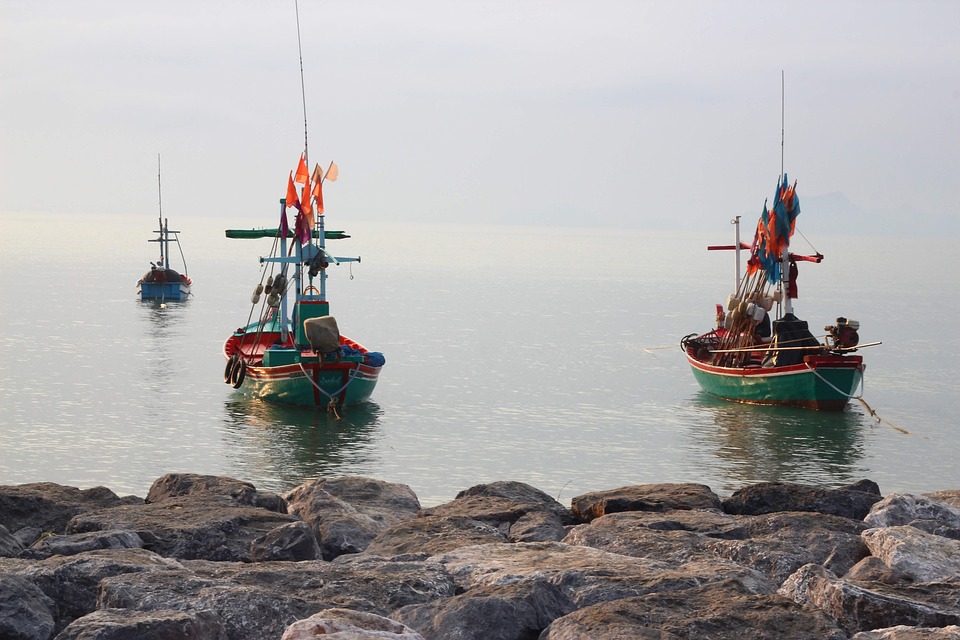





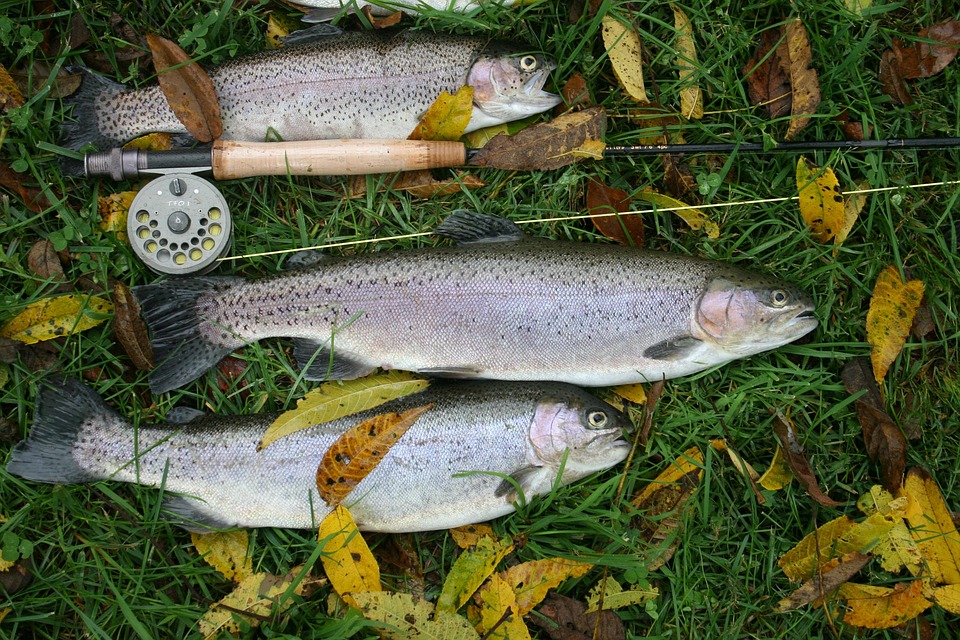
Lure fishing is not just a method; it is an art form that combines skill, tactics, and a deep understanding of fish behavior. Whether you’re a seasoned angler or a beginner, knowing the right lure to use and when to use it can significantly increase your chances of success on the water. In this article, we will take a detailed look at various types of lures, focusing on spinners and spoons, along with effective techniques to master them.
The Basics of Lure Fishing
Lure fishing involves using artificial baits designed to mimic the appearance and movement of natural prey. The goal is to entice fish to strike, and this requires knowledge of both the lure and the habitats you’re fishing in. The primary types of lures include:
- Spinners: Spin as they are retrieved, creating vibrations and flashes that attract fish.
- Spoons: Flat pieces of metal that wobble and flash in the water, imitating distressed prey.
- Crankbaits: Designed to dive and mimic the movement of baitfish.
- Topwater Lures: Float on the surface and create splashes to draw fish from below.
Spinners: The Vibrant Choice
Spinners are perhaps one of the most versatile lures available. They are often made up of a metal blade that spins around a vertical shaft. This spinning action produces both light reflection and vibration, effectively simulating a fleeing baitfish.
When to Use Spinners
Spinners are particularly effective in:
- Shallow Waters: They can be retrieved quickly without snagging the bottom.
- Fast-Flowing Rivers: Their movement can attract fish hiding in current breaks.
- During Low Light Conditions: The vibrations can lure fish that may be less inclined to chase bait during the day.
Techniques for Spinner Fishing
- Cast and Retrieve: Simply cast the spinner out and retrieve it at a steady pace. Vary your speed based on the fish’s activity level.
- Bounce Retrieval: Allow the lure to sink slightly and then reel it in, mimicking the action of a prey fish hiding among rocks or debris.
- Slow Roll: Lower the retrieve speed to make the spinner appear less frantic, which can pique the interest of larger fish.
Spoons: The Flashy Performer
Spoons are constructed from metal and are designed to mimic the profile of wounded or distressed fish. They come in various sizes and colors and can be highly effective in both freshwater and saltwater fishing.
When to Use Spoons
Spoons are a fantastic choice when you are fishing:
- Deep Water: They are particularly effective at reaching fish that are suspended in deeper waters.
- During Winter Months: Many anglers find success with spoons when fish are sluggish and less willing to chase faster-moving lures.
- In Lakes with Abundant Baitfish: The flash and movement can imitate the natural forage in the area.
Techniques for Spoon Fishing
- Vertical Jigging: Drop the spoon to the desired depth and use short, sharp jigs to entice fish.
- Cast and Retrieve: Similar to spinners, vary the retrieval speed to mimic the movement of different prey.
- Tampo Retrieval: Allow the spoon to hit the bottom and then pull it up gently before letting it fall again. This can trigger bites from fish hiding near the bottom.
Choosing the Right Colors and Sizes
Color and size options for lures are vast, and knowing what to choose can be game-changing.
Color Considerations
- Natural Colors: Browns and greens are often effective in clear water as they mimic natural prey.
- Bright Colors: Fluorescent colors (such as hot pink or chartreuse) can be beneficial in murky waters.
- Metallic Finishes: Reflective finishes can attract fish in both low-light conditions and clear water.
Size Matters
Understanding what size lure to use can also depend on the species of fish you’re targeting. Larger lures can catch bigger fish, while smaller lures might be more effective for panfish or smaller bass species.
Accounting for Seasonality
Different seasons can yield different fishing conditions. Ice fishing in winter might require small spoons, whereas summer fishing might necessitate larger spinners in fast flows. Keeping an eye on seasonal temperatures can significantly enhance your fishing strategies.
Seasonal Tips
- Spring: Fish tend to be closer to the surface, making spinners especially effective.
- Summer: Fish might associate deeper structures with cooler water; spoons can reach those depths.
- Fall: Fish are often in a feeding frenzy; a variety of lures can work, so have options ready.
- Winter: Go for slow-moving lures like spoons that can be worked vertically.
The Importance of Technique and Practice
Even the best lures will underperform without proper technique. Regular practice allows anglers to become comfortable with their equipment and refine their skills. Consider practicing under different conditions and adjusting your approach accordingly.
Tracking Fish Behavior
Be observant; studying the water can help you identify fish behaviors. Watch for jumping fish, surface disturbances, or signs of feeding activity, which can guide your lure selection and technique.
Conclusion
From spinners to spoons, the world of lure fishing offers various techniques and strategies that can elevate your fishing experience. By understanding the types of lures available, their optimal conditions for use, and how to adapt to the environment, you can become a more proficient angler. Remember that patience and practice are key, as they will enable you to refine your skills and build confidence in the techniques you utilize. The excitement of feeling a tug on your line awaits, so gear up, get out there, and make the most of your lure fishing adventures!
FAQs
What type of line should I use for spinner and spoon fishing?
Monofilament or braided lines are ideal for lure fishing, providing good strength and sensitivity. Choose a line that matches the weight of your lure.
How do I know what size lure to use?
The size of the lure should correspond to the size of the fish you’re targeting. Research local species and their typical prey to choose the right size.
Can I use spinners and spoons in saltwater?
Absolutely! Both spinners and spoons can be effective in saltwater. Just make sure they are suitable for marine environments and avoid any rust-prone materials.
What is the best retrieval speed for spinners?
The best retrieval speed often varies depending on fish activity levels. Start with a steady pace and adjust based on the fish’s responsiveness.
Are there specific colors that work better in certain conditions?
Yes, brighter colors work well in murky waters for visibility, while natural colors tend to be more effective in clear water. Adjust based on water clarity and weather conditions.
- advanced fishing techniques
- artificial bait fishing
- bait fishing
- boat fishing methods
- casting fishing
- deep sea fishing techniques
- drift fishing
- fishing knots techniques
- fishing methods
- fishing methods for beginners
- fishing rigs methods
- fishing strategy tips
- fishing techniques
- fly fishing techniques
- freshwater fishing techniques
- inshore trolling
- jigging fishing
- live bait fishing
- lure fishing methods
- modern fishing techniques
- offshore trolling
- popping fishing
- professional fishing methods
- saltwater fishing techniques
- shore fishing methods
- slow jigging
- spinning fishing
- topwater popping
- trolling fishing
- vertical jigging









Leave a comment