









Fly fishing is a sport deeply rooted in both tradition and technique. At its core lies the art of fly casting, a skill that separates novice fishers from experienced anglers. Understanding and mastering fly casting techniques is not just vital for success; it’s also the key to enjoying the pursuit of this beautiful and tranquil sport.
The Basics of Fly Casting
Before diving into advanced techniques, it’s crucial to grasp the fundamentals of fly casting. This involves a combination of physical skills, spatial awareness, and mental finesse.
Grip and Stance
To begin, mastering your grip on the rod is essential. Hold the rod with your thumb on top and your fingers wrapped around the cork handle. This grip gives you the necessary control for fluid movements.
Your stance should be shoulder-width apart, knees slightly bent, with your weight balanced. This foundation allows you to leverage your body effectively while casting.
Understanding the Rod
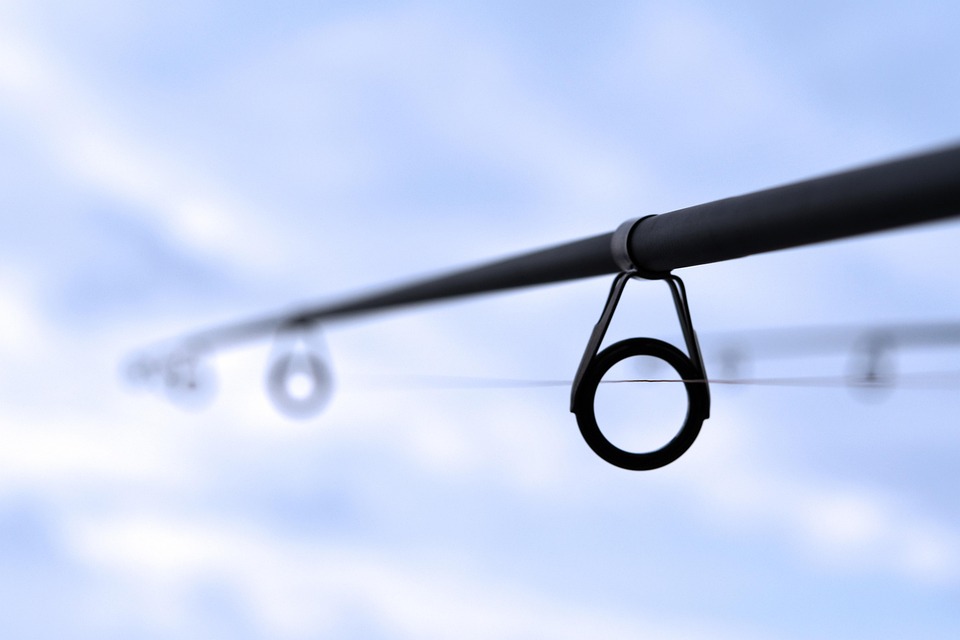
Fly rods are typically classified by their weight, length, and action (how much the rod bends). Beginners should opt for a versatile setup, usually a 9-foot rod for a 5-weight line, which provides a good balance between ease of use and adaptability.
Key Casting Techniques
1. The Overhead Cast
The overhead cast is perhaps the most common fly casting technique. To perform it, follow these steps:
- Begin with the line on the water and the rod tip near the surface.
- Lift the rod smoothly in a straight line, bringing it back over your shoulder.
- As you reach the apex of your back cast, pause for a moment to allow the line to straighten out behind you.
- With a quick flick of the wrist, bring the rod forward, allowing the line to unfurl and drop gently in front of you.
The key to a successful overhead cast is timing and rhythm. Developing these aspects will significantly improve your cast distance and accuracy.
2. The Roll Cast
When you find yourself in restricted spaces where an overhead cast isn’t feasible, the roll cast comes to the rescue. It’s a simple yet effective technique for delivering the fly efficiently.
To execute a roll cast:
- Position the rod at a 45-degree angle slightly above the water’s surface.
- With your line gathered, initiate a forward stroke, keeping the rod tip low.
- The line should roll off the water, creating a natural propulsion toward your target.
The roll cast is invaluable for tight spots, like under overhanging branches, and helps maintain your fishing technique without needing extensive space.
3. The Double Haul
Once you’re comfortable with the overhead cast, adding the double haul can significantly enhance your cast distance. This technique involves using both your line hand and rod hand to create extra line speed.
Steps to perform the double haul:
- Begin with a regular overhead cast.
- As you pull the line downwards with your line hand during the back and forward cast, simultaneously pull the rod tip into position.
This technique increases line speed, allowing you to cast farther and with more precision, making it a favorite among seasoned anglers.
Practical Tips for Improving Your Casting
Mastering fly casting requires patience and practice. Here are additional tips that can help speed up your progress:
1. Practice Regularly
Like any other skill, regular practice is key. Set aside time each week to focus on your casting technique. Use a fly casting simulator if you can’t get to the water, or practice on the grass.
2. Use Visual Aids
Tracking your cast can be visualized using targets. Set up items like buckets or hula hoops to hone your accuracy and distance.
3. Record Yourself
Use video to analyze your casting technique. Watching your form can reveal flaws you may not feel while casting.
Understanding the Environment
The environment plays an equally crucial role in your casting success. Wind, water current, and surrounding obstacles all affect how and where you cast.
1. Adapting to Wind Conditions
Wind can be your friend or enemy, depending on how well you adapt. When facing strong winds, consider making shorter, more accurate casts rather than aiming for long ones. Lowering your rod tip can also help direct your cast closer to the water surface, allowing the line to cut through the wind.
2. Recognizing Water Structures
Identify features like rocks, logs, or undercut banks, as fish often gather near these structures. Develop your casts to target these specific areas, increasing your chances of a successful catch.
Conclusion
Transitioning from a rookie to a pro in fly casting is a journey filled with learning and growth. Equipped with essential techniques like the overhead cast, roll cast, and double haul, you’re now ready to elevate your fly fishing experience. Remember to practice regularly, adapt to your environment, and continually refine your skills. The path of learning is never-ending, and the joy of fly fishing is in the journey itself.
FAQs
Q: How long does it take to become proficient in fly casting?
A: Proficiency can vary greatly depending on the individual. With regular practice, many people begin to feel comfortable within a few weeks, while mastering different techniques may take months or even years.
Q: Do I need a guide to learn fly casting?
A: While self-teaching is possible through online resources and practice, hiring a professional guide can provide personalized instruction and expedite your learning process.
Q: What is the best rod for beginners?
A: A 9-foot, 5-weight rod is often recommended for beginners due to its versatility and ability to handle a wide range of fishing conditions.
Q: Can I fly fish in saltwater?
A: Yes! Fly fishing can be done in both freshwater and saltwater environments. However, different gear and techniques may be required for each.
Q: Is fly fishing more difficult than traditional fishing?
A: Fly fishing often requires more technique, especially in casting. However, many find it to be a rewarding challenge, and its unique approach can provide an enriching experience.
- advanced fly fishing
- bass fly fishing
- dry fly fishing
- fly casting techniques
- fly fishing
- fly fishing destinations
- fly fishing flies
- fly fishing for beginners
- fly fishing gear
- fly fishing guides
- fly fishing reels
- fly fishing rivers
- fly fishing rods
- fly fishing species
- fly fishing techniques
- fly fishing tips
- fly tying
- fly tying patterns
- freshwater fly fishing
- lake fly fishing
- nymph fishing
- river fly fishing
- salmon fly fishing
- saltwater fly fishing
- steelhead fly fishing
- stream fly fishing
- streamer fishing
- trout fly fishing
- wet fly fishing
- worldwide fly fishing











Leave a comment