












Nymph fishing: an art form, a science, and for many anglers, a pursuit of zen. For decades, this technique has captivated the hearts of fishermen who are drawn to the mesmerizing drift of flies beneath the surface. Understanding nymph fishing can transform your angling experience, leading to more catches and a deeper connection with nature. In this article, we will explore the intricacies of nymph fishing, offering insights and strategies that can help you unlock the secrets of mastering the drift.
The Essence of Nymph Fishing
At its core, nymph fishing simulates the natural behavior of larvae and nymphs found in streams and rivers. This technique requires an understanding of how fish feed and how water currents affect the movement of flies. Nymphs represent the juvenile life stages of various aquatic insects, providing an essential food source for fish. By mimicking these patterns, anglers can increase their chances of success.
Choosing the Right Gear
Before you delve into the nuances of nymph fishing, choosing the correct gear is paramount. Your tackle will significantly influence your performance on the water. Below are key components to consider:
1. Rod and Reel
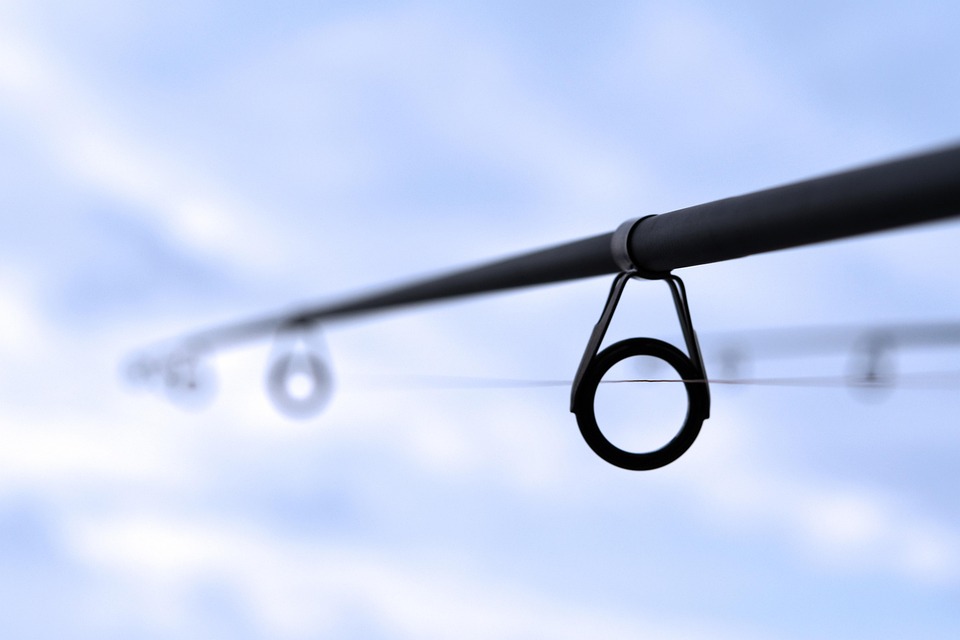
A medium-weight rod, typically between 9 to 10 feet long, is most effective for nymph fishing because of its reach and sensitivity. Pair it with a reel that has a reliable drag system capable of handling the larger fish you might encounter.
2. Line
Weight-forward floating lines are the most commonly used for nymph fishing. Ensure that your line is heavy enough to help you maintain the natural drift of your nymphs while also being sensitive enough to detect strikes.
3. Tippet and Leader
You should use a tapered leader attached to a finer tippet, typically around 5X to 7X, depending on the conditions and fish species. A sensitive tippet allows for better detection of subtle takes.
Understanding the Drift
The drift is the heart of nymph fishing. A natural drift occurs when the fly moves in a way that imitates how an actual nymph would behave in its habitat. There are key concepts you need to grasp:
1. Dead Drift
The ‘dead drift’ is a technique that involves allowing your nymph to flow naturally with the current without interference. This is crucial for presenting the fly in a way that appears real to the fish.
2. Pocket Water
Pocket water, which consists of small eddies and pockets behind rocks, is prime territory for nymphs to hide. It’s essential to cast upstream and allow your nymph to drift downstream over these areas, as fish often lurk nearby looking for food.
Methods and Techniques
Mastering nymph fishing requires practice and patience. Here are a few techniques to enhance your skills:
1. Euro Nymphing
A modern approach to nymph fishing, Euro nymphing, utilizes long rods and a level line, allowing anglers to achieve greater sensitivity and reach. The focus lies on maintaining a tight line for immediate strike detection, and it works exceptionally well in fast-moving water.
2. Indicator Nymphing
In this method, indicators (such as strike indicators or bobbers) are used to signal when a fish takes the fly. This approach is beneficial for beginners as it provides visual feedback, enhancing the fishing experience.
3. High Stick Nymphing
This technique involves keeping your rod high and your line off the water’s surface. By doing so, you can tap into subtle strikes while allowing a natural drift of the nymph in challenging currents.
Reading the Water
Success in nymph fishing also relies on your ability to read the water effectively. Here are some factors to consider:
1. Current Speed
Different nymphs thrive in varying current speeds, so studying the flow allows you to choose the right patterns and placements. Fish usually hold in slower water, but there are also opportunities in faster currents.
2. Depth
Understanding the depth of the water you’re fishing is crucial. Fish often feed at different depths depending on the time of day and season. Adjust your nymph’s weight accordingly.
Selecting the Right Patterns
Choosing the right nymph patterns is integral to successful fishing. Here are some well-regarded options:
1. Pheasant Tail Nymph
A classic pattern known for its versatility, the Pheasant Tail Nymph mimics various aquatic insects and works well in diverse conditions.
2. Hare’s Ear Nymph
This pattern resembles many nymphs and offers a natural look due to its fuzzy appearance, achieving excellent results in both still and moving water.
3. Copper John
The Copper John is a heavy nymph with a flashy body that attracts fish. It sinks quickly and works effectively in fast currents.
Techniques for Effective Casting
Mastering your casting techniques will greatly improve your success on the water. Here are some guiding principles:
1. The Roll Cast
This technique is effective in tight spaces where backcasting may be limited. It allows for a smooth presentation of the fly while keeping your line relatively straight.
2. The Sidearm Cast
When casting near structures or bushes, consider a sidearm cast. This angle provides greater accuracy while avoiding snags.
Final Thoughts on Nymph Fishing
As you embark on your journey into the world of nymph fishing, remember that it requires patience and practice. Each outing brings new insights and opportunities to refine your techniques. Mastering the drift is not merely about catching fish; it is about immersing yourself in the rhythm of the water and discovering the hidden secrets of the aquatic world.
Conclusion
Nymph fishing is an art that requires a blend of knowledge, skill, and intuition. By understanding the fundamentals of gear choice, the drift, and water dynamics, along with effective casting techniques, you will be well on your way to enhancing your experience on the water. Embrace the challenge, learn from each cast, and allow your passion for fishing to grow as you delve deeper into the captivating realm of nymph fishing.
FAQs
What is the best time to go nymph fishing?
The best time for nymph fishing is typically during the early morning and late afternoon. Fish tend to be more active at these times, especially in cooler water.
Do I need to use a leader when nymph fishing?
Yes, a tapered leader is crucial for better casting and presentation of your nymph patterns. It helps in achieving a natural drift and improves sensitivity to bites.
Can I use nymph fishing techniques for saltwater fishing?
While nymph fishing is primarily a freshwater technique, some principles can be applied to saltwater fishing, such as understanding currents and using weighted flies to reach deeper waters.
How do I know if I have a fish on the line?
In nymph fishing, the strike can be subtle. Look for your indicator to dip below the surface or feel a pull on the line. Keeping a tight line will help you detect strikes more effectively.
- advanced fly fishing
- bass fly fishing
- dry fly fishing
- fly casting techniques
- fly fishing
- fly fishing destinations
- fly fishing flies
- fly fishing for beginners
- fly fishing gear
- fly fishing guides
- fly fishing reels
- fly fishing rivers
- fly fishing rods
- fly fishing species
- fly fishing techniques
- fly fishing tips
- fly tying
- fly tying patterns
- freshwater fly fishing
- lake fly fishing
- nymph fishing
- river fly fishing
- salmon fly fishing
- saltwater fly fishing
- steelhead fly fishing
- stream fly fishing
- streamer fishing
- trout fly fishing
- wet fly fishing
- worldwide fly fishing












Leave a comment