








When it comes to fly fishing, having the right rod can make or break your experience. With so many options available, selecting the ideal fly fishing rod might seem daunting even for seasoned anglers. This guide will help demystify the process, providing a comprehensive overview of the factors to consider before making your decision.
Understanding the Basics of Fly Fishing Rods
Fly fishing rods are specifically designed for casting lightweight flies instead of lures or bait. They are generally longer and more flexible than traditional fishing rods, allowing for delicate presentations and enhanced casting accuracy. Understanding the different components of fly rods is essential for making an informed choice.
Rod Length
The length of a fly rod typically ranges from 6 to 10 feet, influencing its casting ability and control over distance. Shorter rods are great for small streams or tight spaces, while longer rods offer more reach and are suitable for larger bodies of water.
Rod Weight
Fly rods come in various weights, categorized from 0 to 14+, which correlates to the size of the fish you aim to catch and the type of flies you’ll use. A 3-weight rod is excellent for small fish and small streams, while a 7- or 8-weight is suitable for larger species and saltwater fishing.
Materials
Traditionally made from bamboo, modern fly rods are predominantly constructed from graphite or fiberglass. Graphite rods are lightweight and sensitive, providing better performance, while fiberglass offers more durability and is often favored by beginner anglers.
Choosing the Right Fly Rod for Your Fishing Adventure
Consider the Water Type
The type of water you’ll be fishing in—rivers, lakes, or oceans—should significantly influence your choice of rod. For instance, a 9-foot, 5-weight rod is versatile for both freshwater rivers and lakes, whereas a heavier stick may be necessary for saltwater conditions.
Target Species
Identifying the species you intend to fish is crucial. For instance, if you’re catching trout, a lighter rod (3 to 5-weight) will suffice, whereas targeting bass or saltwater species may require rods in the 7 to 10-weight range. Knowing your target fish will help you select the appropriate rod weight and length.
Experience Level
If you’re just starting, it may be wise to opt for a medium action rod that offers a balance between flexibility and control. More experienced anglers may prefer fast action rods that provide quicker response times and distance casting capabilities.
What to Look for When Buying a Fly Rod
Action and Flexibility
Fly rods are classified into three categories based on their action: slow, medium, and fast. Slow-action rods bend throughout their length, making them ideal for beginners learning to cast. Medium-action rods bend in the midsection, providing a balance between casting control and power. Fast-action rods bend near the tip, offering greater casting distance and precision, suited for experienced anglers.
Rod Handle Design
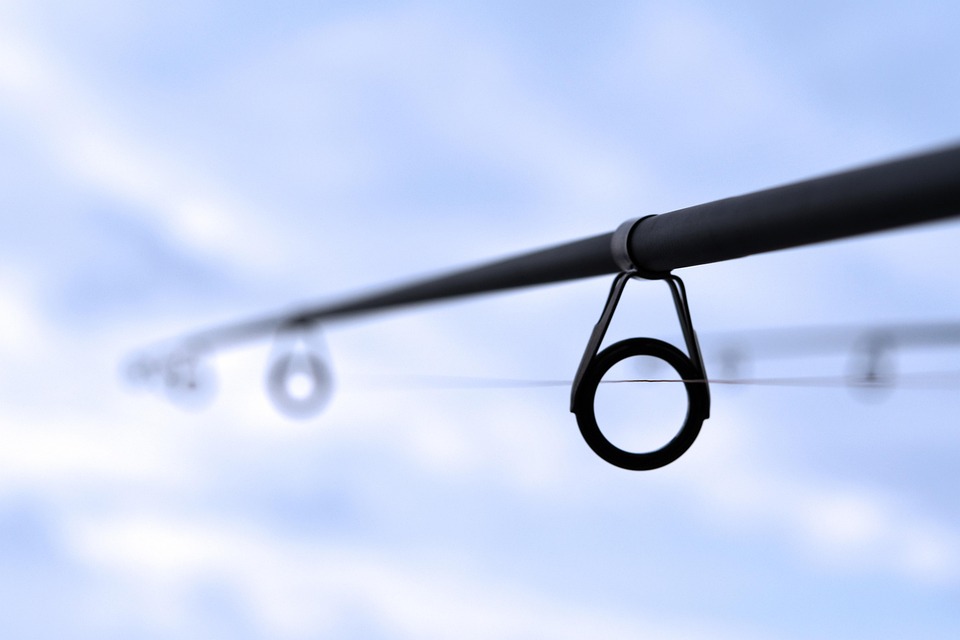
The handle, or grip, of the fly rod significantly affects your comfort during extended casting sessions. Cork is the most common material for handles due to its lightweight and shock-absorbing properties. Some rods may include dual grips for enhanced control, which can be beneficial in heavy wind conditions.
Budget
Fly rods can vary significantly in price. Generally, a decent beginner rod can be found in the $100 to $300 range, while premium models cost upwards of $800 or more. It’s essential to balance your budget with the features and quality you desire. Remember, spending more does not always ensure better performance.
Test Before You Buy
Whenever possible, it’s advisable to test fly rods before making a purchase. Many fly shops offer rental programs or allow you to cast demo rods. This hands-on experience can provide valuable insight into what feels comfortable and performs best based on your personal style.
Maintaining Your Fly Rod
Once you’ve chosen the perfect fly rod, proper care will ensure its longevity. Here are some essential maintenance tips:
- Always rinse your rod with freshwater after fishing in saltwater.
- Store your rod in a protective case to avoid damage.
- Inspect guides and connections regularly for wear and tear.
- Clean the cork handle to prevent grime buildup.
Conclusion
Choosing the perfect fly fishing rod is an important step toward having a successful and enjoyable fishing adventure. Understanding the specifics—such as rod length, weight, material, and action—can make navigating the myriad of options available much easier. By factoring in the type of water, target species, and your personal experience level while keeping your budget in mind, you’ll be well on your way to selecting a rod that complements your style. Remember that selecting the right equipment is just as crucial as honing your skills on the water—take the time to choose wisely, and you’ll find yourself casting like a pro in no time.
FAQs
1. What is the best fly rod for beginners?
The best fly rod for beginners is typically a 9-foot, 5-weight rod, as it is versatile enough for various fishing conditions and species. Look for a medium-action rod to help you facilitate your learning curve.
2. How much should I spend on my first fly rod?
For your first fly rod, a budget of $100 to $300 is reasonable. This price range will give you access to quality rods that won’t break the bank.
3. Is it necessary to buy matching components (reel, line, etc.)?
While it’s not strictly necessary, buying matching components ensures compatibility and optimal performance. Rods, reels, and lines are often designed to function best together.
4. Can I use a heavier rod for lighter species?
While you can use a heavier rod for lighter species, it may affect your casting accuracy and presentation. A lighter rod enhances your ability to cast delicately without scaring fish.
5. How can I improve my casting technique?
Improving your casting technique comes down to practice. You can also consider taking lessons from experienced anglers or watching instructional videos online to refine your skills.
- advanced fly fishing
- bass fly fishing
- dry fly fishing
- fly casting techniques
- fly fishing
- fly fishing destinations
- fly fishing flies
- fly fishing for beginners
- fly fishing gear
- fly fishing guides
- fly fishing reels
- fly fishing rivers
- fly fishing rods
- fly fishing species
- fly fishing techniques
- fly fishing tips
- fly tying
- fly tying patterns
- freshwater fly fishing
- lake fly fishing
- nymph fishing
- river fly fishing
- salmon fly fishing
- saltwater fly fishing
- steelhead fly fishing
- stream fly fishing
- streamer fishing
- trout fly fishing
- wet fly fishing
- worldwide fly fishing









Leave a comment