










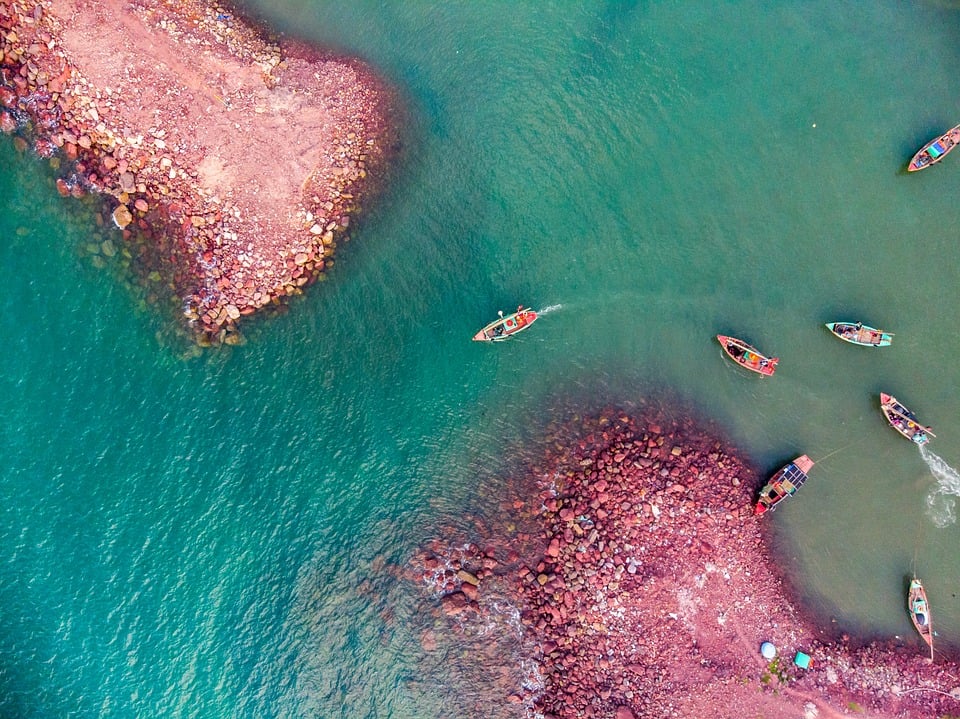


The ocean is home to many incredible species, but few are as fascinating and revered as the sailfish. With its distinctive dorsal fin, breathtaking speed, and acrobatic displays, the sailfish captivates anglers and ocean enthusiasts alike. This feature delves into the unique attributes of the sailfish, its habitat, behavior, and why it holds a special place in the hearts of those who venture into the blue to catch a glimpse of this magnificent creature.
Meet the Sailfish
The sailfish, belonging to the billfish family, can be found in warmer sections of the Atlantic and Pacific Oceans. It is characterized by its long, slender body and a notable elongated bill, which it uses to slash through schools of fish. Sailfish are also known for their impressive dorsal fin, often seen raised like a sail during their spectacular leaps and turns in the water.

Two primary species exist: the Atlantic sailfish (Istiophorus albicans) and the Indo-Pacific sailfish (Istiophorus platypterus). While both species share similar features and behaviors, each has adapted to its specific oceanic environment. The Atlantic sailfish is often larger, reaching lengths of up to 11 feet, while the Indo-Pacific variety is generally a bit shorter but equally impressive in its speed and agility.
The Physics of Speed
What makes the sailfish the fastest fish in the ocean? Research indicates that the sailfish can swim at speeds up to 68 miles per hour (110 km/h). Its streamlined body minimizes drag, while specialized muscles enable rapid bursts of speed. The sailfish can accelerate faster than most other marine species, allowing it to evade predators and catch prey efficiently.
The key to its velocity lies not only in its physical attributes but also in its unique swimming technique. Sailfish utilize a form of “tail flicking” to generate speed. This method involves quick, powerful strokes of its tail while the body remains relatively stable, resulting in an impressive burst of acceleration.
Habitat and Distribution
Sailfish inhabit warm waters and can often be found near the surface, especially in regions with abundant prey. They thrive in the tropical and subtropical regions of the Atlantic and Pacific Oceans, which provide the ideal conditions for this magnificent fish.
In the Atlantic, sailfish are commonly found in the Caribbean Sea and along the eastern coast of Central and South America. The Indo-Pacific sailfish, on the other hand, is prevalent around islands such as Hawaii and Fiji, extending to the eastern coasts of Africa and Australia.
Feeding Behavior and Diet
The diet of a sailfish primarily consists of smaller fish, such as sardines, mackerel, and anchovies. Utilizing their extraordinary speed and agility, sailfish hunt by herding schools of fish together, then using their bills to slash through them, stunning or injuring their prey.
Sailfish are known for their unique hunting technique. They often work cooperatively, taking turns to drive schools of bait fish toward the surface where they can easily feast. This intelligent behavior showcases their adaptation to life in the wild, proving they are more than just fast swimmers.
The Reproductive Life of the Sailfish
Sailfish are prolific breeders, with females capable of laying thousands of eggs at once. During the spawning season, which generally occurs during warmer months, female sailfish release their eggs into the water while male counterparts fertilize them.
Unlike many other fish, sailfish are pelagic spawners, meaning that their eggs are released into the open ocean where the larvae will drift until they mature. These early stages of life are perilous; they face numerous predators, and only a small percentage will survive to adulthood.
The Cultural Significance of Sailfish
The allure of sailfish extends beyond their biological marvels; they hold significant cultural and economic importance in many coastal communities. Sport fishing tournaments targeting sailfish draw enthusiasts from around the globe, making them an integral part of local economies.
Countries like Mexico and Costa Rica are famous for their sailfish fishing contests, attracting anglers who seek the thrill of catching one of the ocean’s fastest inhabitants. These tournaments not only highlight the beauty of sailfish but also raise awareness about conservation and sustainable fishing practices.
Conservation Status
Despite their popularity, sailfish populations face challenges due to overfishing and habitat destruction. Conservation efforts are crucial to maintaining healthy sailfish populations. Various organizations and regulatory bodies are working to implement sustainable fishing practices, minimizing bycatch and promoting catch-and-release methods.
Awareness campaigns and education are essential for ensuring the long-term survival of sailfish. Anglers are urged to follow guidelines that help protect this magnificent species and its habitat, ensuring future generations can experience the thrill of sailing alongside these spectacular fish.
Conclusion
Sailfish are not just a marvel of nature; they are a testament to the evolutionary adaptations of life in the ocean. From their incredible speed and unique hunting techniques to their cultural significance and the pressing need for conservation, sailfish embody the complexities and wonders of marine ecosystems. By understanding and protecting these magnificent creatures, we not only preserve them for future generations but also safeguard the health of our oceans. Every moment spent observing a sailfish in its natural habitat unlocks yet another secret of the ocean’s depths, reminding us why we must continue to cherish and protect our marine environments.
FAQs about Sailfish
1. How fast can a sailfish swim?
Sailfish are known to reach speeds of up to 68 miles per hour (110 km/h), making them the fastest fish in the ocean.
2. What do sailfish eat?
Sailfish primarily feed on smaller fish, including sardines, mackerel, and anchovies. They use their speed to catch and corral schools of prey.
3. Where can I find sailfish?
Sailfish inhabit warm ocean waters in the Atlantic and Pacific Oceans. They are commonly found in the Caribbean Sea and around tropical islands.
4. Are sailfish endangered?
While sailfish are not currently listed as endangered, they face threats from overfishing and habitat destruction. Conservation efforts are in place to ensure their populations remain healthy.
5. Can you catch and eat sailfish?
While sailfish can be caught for consumption, many anglers practice catch-and-release to help preserve the species. It’s essential to follow local regulations regarding sailfish fishing.
- barracuda fishing
- beach fishing
- big game fishing
- bluewater fishing
- boat fishing
- coastal fishing
- deep ocean fishing
- deep sea fishing
- drift fishing
- grouper fishing
- jigging fishing
- kingfish fishing
- mahi mahi fishing
- marlin fishing
- ocean fishing
- offshore fishing
- pier fishing
- reef fishing
- sailfish fishing
- saltwater angling
- saltwater fishing
- saltwater fishing guides
- shark fishing
- shore fishing
- snapper fishing
- sport fishing
- surf fishing
- trolling fishing
- tuna fishing





Leave a comment