










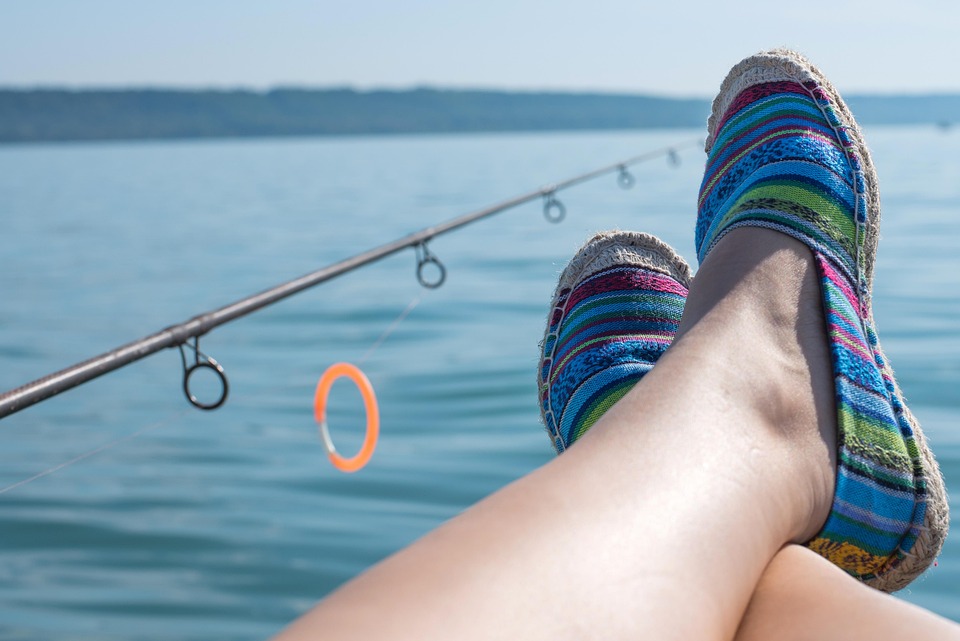


Catfishing is no ordinary sport. Enthusiasts know that targeting these bottom-dwelling giants requires not just skill, but also knowledge of their behaviors, habitats, and feeding patterns. From choosing the right equipment to setting the bait, every detail counts when the goal is to land that elusive giant catfish. This article explores effective strategies and methods to maximize your chances of hooking one of these formidable fighters, offering insights valuable for both novice and experienced anglers alike.
Understanding the Catfish
Catfish are a diverse family of fish with over 3,000 species. In North America, the most sought-after types are the Channel Catfish, Flathead Catfish, and Blue Catfish. Understanding their biology and habits is essential for successful fishing.
- Channel Catfish: Known for their adaptability, these fish thrive in various habitats but are often found in rivers and lakes. They are more active at night, making evening fishing often more successful.
- Flathead Catfish: These fish prefer to lurk in deeper waters and are known for their aggressive nature. They are best targeted during warmer months when they’re more active.
- Blue Catfish: The largest catfish species, blues can weigh over 100 pounds. They prefer deep waters and clear rivers, often being more active in the spring and summer months.
Essential Gear and Equipment
To land a giant catfish, you need the right gear. The following items are essential for a successful fishing experience:
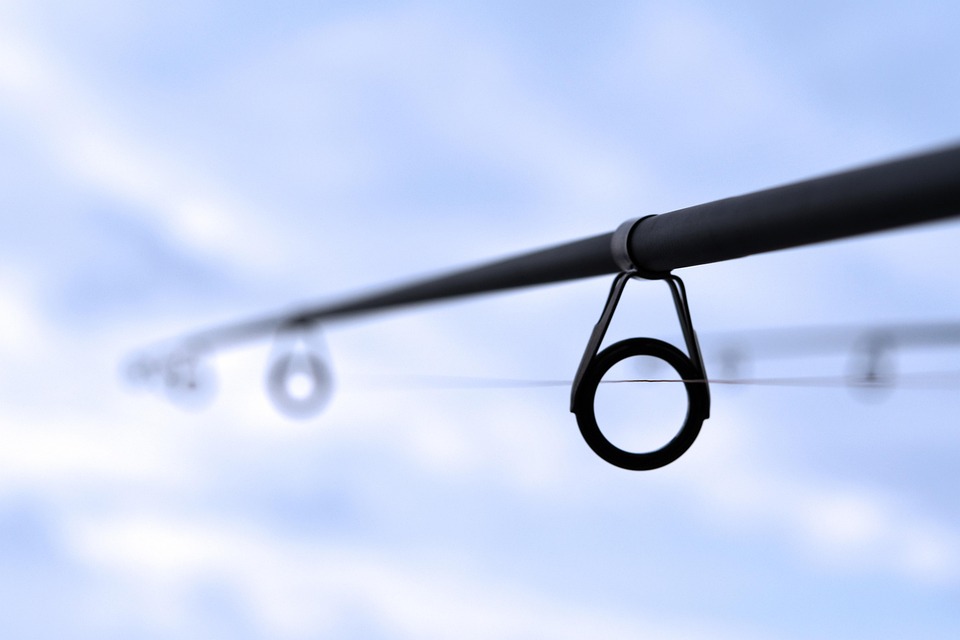
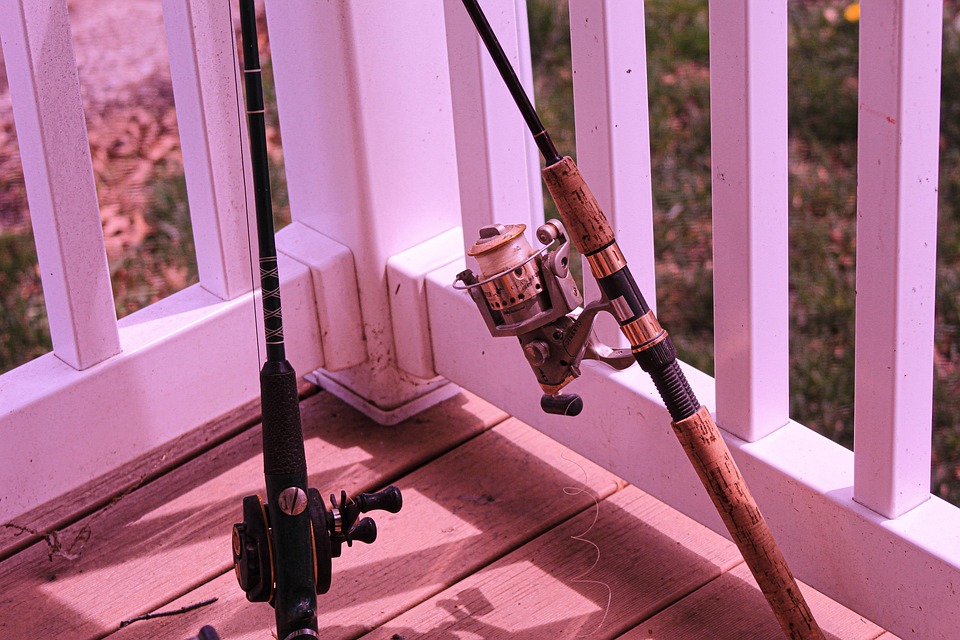
- Rods and Reels: Opt for a sturdy rod designed for heavy weights. A spinning or bait casting reel with a strong drag system is crucial for managing the fight of a large catfish.
- Line: Heavy monofilament or braided lines (50-80 lb test) are recommended. These lines have a higher resistance to abrasion and offer better strength.
- Bait: Catfish are not very selective feeders. Popular baits include live bait like shad, cut bait, and commercial catfish bait. Experimentation with different baits can yield better results.
- Hooks: Circle hooks are highly recommended as they increase the chances of a successful hook-up and are less likely to gut hook the fish.
Choosing the Right Fishing Location
Location is critical when targeting catfish. They are typically found in a variety of habitats, including:
- Deep Holes: Catfish tend to hide in deeper waters during the day and come out at night. Finding deep holes in rivers or lakes is often key to landing larger specimens.
- Riffles and Pools: Structure such as downed trees, rocks, and other underwater obstructions create ideal ambush spots for catfish.
- Drop-offs: Areas where the depth changes significantly tend to attract catfish, as they provide both hiding spots and feeding grounds.
Fishing Techniques
There are several effective techniques for catching catfish, depending on the time of year and specific fishing conditions:
1. Bottom Fishing
This classic method involves using heavier weights to ensure your bait stays on the bottom, where catfish feed. Use a slip sinker rig or a Carolina rig.
2. Drifting
Drifting allows you to cover a lot of water while maintaining a natural bait presentation, making it effective in rivers with current. Adjust your drift speed based on local conditions.
3. Jug Fishing
A popular method for targeting larger catfish, jug fishing involves using floating jugs with bait attached and left to drift. Make sure to properly mark your floats and check local regulations.
4. Trotlining
For those looking to maximize their catch, trotlining involves setting a long line with multiple hooks and baits, securing it in place with anchors at either end. It’s a more labor-intensive but effective method.
Weather and Timing
Timing can significantly impact your fishing success. Consider the following factors:
- Time of Day: Catfish are mostly nocturnal feeders. Fishing during twilight hours, at night, or early in the morning often yields the best results.
- Season: The best months to fish for catfish are typically late spring through early fall, particularly as water temperatures rise.
- Weather Conditions: Overcast days can sometimes offer better fishing outcomes as catfish often feed more actively in low-light conditions.
Safety and Conservation
While pursuing giant catfish can be thrilling, safety and conservation should be paramount. Always wear a life jacket when fishing from a boat, and be mindful of local fishing regulations regarding size limits and conservation periods. Catch and release practices are beneficial in maintaining healthy fish populations.
Conclusion
Landing a giant catfish is a matter of understanding their behavior, choosing the right equipment, and employing effective fishing techniques. With the right knowledge and preparation, you can significantly increase your chances of success. Remember, fishing is not just about catching fish; it’s about experiencing nature, embracing the learning process, and appreciating the thrill of the hunt. Whether it’s through bottom fishing, drifting, or jug fishing, catfishing offers something for everyone, making it one of the most rewarding fishing pursuits. Embrace these proven strategies, and hook, line, and sinker your way to a trophy catfish!
FAQs
What is the best time of year to fish for catfish?
The best time to fish for catfish is typically during the late spring to early fall when the water temperatures are warmer. Catfish become more active and feed aggressively during these months.
What bait is most effective for giant catfish?
Giant catfish respond well to a variety of baits, including live shad, cut bait, and stink bait. Some anglers also recommend using larger baits to attract larger fish.
How deep should I fish for catfish?
Catfish often stay near the bottom, so it’s essential to fish at varying depths depending on water conditions. Generally, fishing close to the bottom is best, especially in deep holes and near cover.
Are there any specific fishing regulations for catfish?
Fishing regulations vary by location, including size and bag limits. Always check local regulations before fishing to ensure you’re compliant and to help contribute to sustainable catfish populations.
What equipment do I need to catch giant catfish?
You’ll need a heavy-duty rod and reel, strong fishing line (50-80 lb test), circle hooks, weights, and a selection of baits. A landing net and measuring device can also be useful for handling larger fish.
- advanced catfish fishing
- blue catfish fishing
- catfish angling
- catfish bait
- catfish fishing
- catfish fishing for beginners
- catfish fishing gear
- catfish fishing guides
- catfish fishing reels
- catfish fishing rods
- catfish fishing seasons
- catfish fishing spots
- catfish fishing tactics
- catfish fishing techniques
- catfish fishing tips
- catfish hooks
- catfish rigs
- catfish species
- channel catfish fishing
- cut bait catfish fishing
- deep water catfish fishing
- flathead catfish fishing
- lake catfish fishing
- live bait catfish fishing
- monster catfish fishing
- night catfish fishing
- river catfish fishing
- shallow water catfish fishing
- stink bait catfish fishing
- trophy catfish fishing










Leave a comment