












Fishing has long been a cherished pastime, providing excitement, tranquility, and a connection with nature. Yet, for the uninitiated, the world of fishing can be overwhelming. From selecting the right equipment to mastering the art of baiting the hook, first-time fishers can often find themselves adrift. This article aims to demystify fishing with simple and effective techniques that will enhance your experience and increase your catch rate.
The Basics of Fishing Gear
Before you can even think about baiting the hook, it’s essential to understand the basic fishing gear. You don’t need expensive equipment to catch fish, but having the right tools is crucial.
1. Fishing Rod and Reel
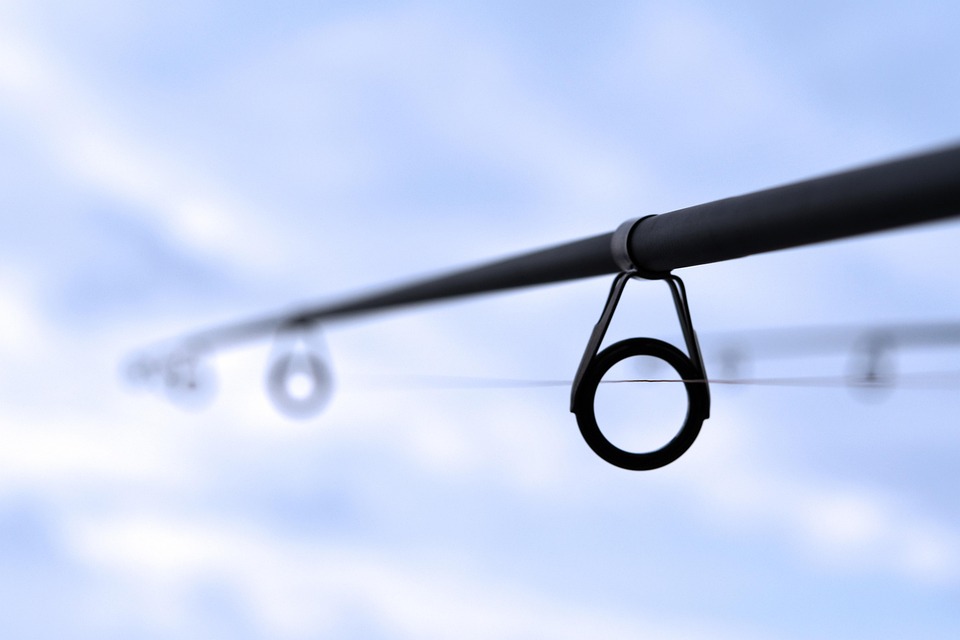
Choosing the right rod and reel setup is foundational. For beginners, a spinning rod and reel combo is ideal due to its ease of use. Aim for a rod about 6 to 7 feet in length, which provides both sensitivity and distance.
2. Fishing Line
Monofilament line is recommended for beginners because it’s forgiving and easy to handle. Depending on the type of fish you’re targeting, a test strength of 6-12 pounds will usually suffice.
3. Terminal Tackle
- Hooks: Purchase a variety of hooks. Size 8 to 2/0 hooks are great for most freshwater species.
- Weights: Use split-shot weights or egg sinkers, depending on your fishing style. Weights help to sink your bait to the desired depth.
- Bobbers: A simple float can be a great addition, allowing you to see when a fish bites.
Choosing the Right Bait
Fishing bait is another crucial aspect of increasing your chances of catching fish. Understanding what type of fish you want to catch will guide your bait choice.
1. Live Bait
For first-time fishers, live bait tends to yield better results. Worms, minnows, and crickets are popular choices that attract a variety of fish. Live bait moves naturally in the water, making it more enticing to fish.
2. Artificial Lures
If you prefer to use artificial lures, start with simple ones like spinners or spoons. Their movement mimics wounded fish or insects in distress, drawing in predatory fish.
3. Prepared Baits
Prepared baits, such as dough balls or stink baits, can also be effective in attracting catfish and carp. These baits are easy to use and often come in various scents.
Baiting the Hook: Techniques
Now that you have your gear and bait sorted, let’s delve into how to properly bait your hook.
1. Baiting with Live Bait
For live bait, you should hook the bait through a vulnerable area. For worms, thread the hook through the middle so that it can wiggle naturally. For minnow, insert the hook through the upper lip or behind the dorsal fin to allow it to swim freely.
2. Baiting with Artificial Lures
When using lures, ensure that they are rigged correctly. Attach the lure to your line using a knot, ensuring it can swim freely in the water. Experiment with different retrieval speeds and patterns to see what attracts fish best.
3. Tips for Increasing Effectiveness
- Keep it Natural: Ensure that your bait moves naturally. If using live bait, avoid overwhelming the fish with too much or too little motion.
- Change the Depth: Fish often hide at different depths. Don’t hesitate to change how deep or shallow your bait is to find where fish are located.
- Be Patient: Fishing is a waiting game. Allow your bait to languish in area for a time before reeling it in.
Understanding Fish Behavior
Knowing fish behavior can significantly improve your chances of a successful catch. Fish are more active at certain times of the day and weather conditions can impact their feeding patterns.
1. Time of Day
Early morning and late afternoon are typically the best times to fish. During these hours, fish are more likely to be near the surface, feeding actively.
2. Weather Conditions
Overcast days can be more fruitful as fish tend to be more active in lower light conditions. Rain can also trigger a feeding frenzy, as fish become more active during these times.
Finding the Right Spot
Location is just as important as the bait and technique you use. Here are some tips on where to fish:
1. Look for Structure
Fish often congregate around structure like fallen trees, rocks, or underwater vegetation. These areas provide shelter and feeding opportunities.
2. Check Local Regulations
Always make sure you are fishing in areas where it is allowed. Research local regulations regarding fishing in your region.
Conclusion
Fishing can be a rewarding and relaxing experience, especially when approached with the right technique and mindset. As a first-time fisher, remember that practice makes perfect, and patience is key. By equipping yourself with simple techniques for baiting the hook and understanding the basics of fish behavior, you’ll enhance your fishing outings and increase your successes. Each trip to the water offers a new learning opportunity and a chance to reconnect with nature. Get ready to embrace the joys of fishing!
FAQs
1. What is the best time to fish?
Early mornings and late afternoons are often the best times, particularly during the spring and summer months.
2. What type of bait should I use as a beginner?
Live bait, such as worms or minnows, is recommended for beginners due to its effectiveness in attracting a variety of fish.
3. Where can I fish as a beginner?
Local ponds, lakes, or rivers are great starting points. Always check local regulations before you fish.
4. Do I need a fishing license?
Yes, most places require a fishing license to fish legally. Check your local regulations to ensure compliance.
5. How do I know if I’ve caught a fish?
You’ll typically feel a tug on your line or see your bobber disappear underwater. This is a good time to reel in your catch!
- beginner bass fishing
- beginner carp fishing
- beginner catfish fishing
- beginner fishing advice
- beginner fishing baits
- beginner fishing gear
- beginner fishing guides
- beginner fishing guides online
- beginner fishing knots
- beginner fishing lures
- beginner fishing mistakes
- beginner fishing reels
- beginner fishing rods
- beginner fishing strategies
- beginner fishing techniques
- beginner fishing tips
- beginner fishing trips
- beginner fishing tutorials
- beginner fishing videos
- beginner fly fishing
- beginner freshwater fishing
- beginner muskie fishing
- beginner panfish fishing
- beginner pike fishing
- beginner saltwater fishing
- beginner trout fishing
- fishing basics
- fishing for beginners
- how to fish
- new anglers tips






Leave a comment