
















Fishing, one of the oldest human activities, has always been a source of sustenance, recreation, and tranquility. However, as the world continues to grapple with environmental challenges, the way we engage in fishing must evolve. This article aims to explore sustainable practices for reservoir anglers, focusing on eco-friendly fishing techniques, responsible angling, and the importance of preserving aquatic ecosystems.
The Urgency of Sustainable Fishing
As recreational fishing grows in popularity, the pressures on fish populations and aquatic habitats increase. Overfishing, pollution, and habitat destruction threaten the ecological balance. According to the United Nations Food and Agriculture Organization (FAO), nearly one-third of global fish stocks are overfished. Reservoirs, specifically, face unique challenges including eutrophication and invasive species that can severely impact local fish populations.
Conventional fishing practices often disregard the ecosystem, leading to long-term consequences. For reservoir anglers, incorporating eco-friendly techniques is essential, not just for the health of fish populations, but also for the enjoyment and longevity of the sport.
Understanding Reservoir Ecosystems
Reservoirs are man-made lakes created by damming rivers, and they serve multiple purposes: flood control, irrigation, water supply, and recreational activities. Each reservoir hosts a unique blend of fish species, vegetation, and aquatic life that relies on a delicate balance.
Key factors affect reservoir ecosystems:
- Nutrient Loading: Runoff from agricultural activities and urban areas can lead to excessive nutrients in the water, causing harmful algal blooms and depleting oxygen levels.
- Invasive Species: Introduction of non-native fish can disrupt the local ecosystem, outcompeting native species for resources.
- Water Management: Fluctuating water levels affect spawning cycles and habitats, making fish populations vulnerable.
Practices for Sustainable Reservoir Fishing
1. Catch and Release Techniques
One of the simplest ways to practice sustainable fishing is through catch and release (C&R). By returning fish to the water after capture, anglers help maintain population levels. However, proper techniques must be followed:
- Use Barbless Hooks: These are easier to remove and reduce injury to fish.
- Minimize Handling: Wet your hands before touching the fish to protect their slime coating.
- Keep Fish in Water: Whenever possible, take photos while the fish is still in the water.
2. Choosing Sustainable Gear
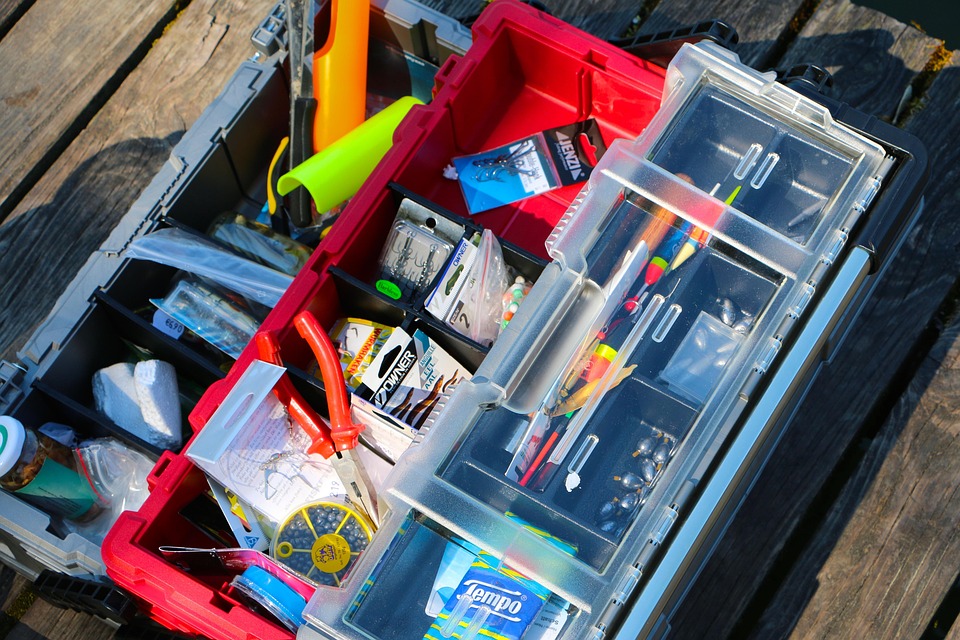
Your fishing gear can play a significant role in sustainability. Opt for eco-friendly products that minimize environmental impact:
- Biodegradable Fishing Lines: Unlike conventional nylon lines, these break down over time, reducing marine debris.
- Lead-Free Weights: Lead poses serious health risks to wildlife. Switch to tungsten or steel alternatives.
- Natural Baits: Use local, natural baits that promote local biodiversity instead of invasive species.
3. Respecting Seasonal Regulations
Adhering to fishing regulations helps protect spawning periods and maintain fish populations. Many reservoirs have specific open and closed seasons for certain species:
- Check Local Regulations: Always stay informed about current rules regarding size limits and fishing seasons.
- Participate in Stocking Programs: Some reservoirs offer programs where anglers can contribute to fish stocking efforts, helping to replenish local populations.
4. Engaging with Local Conservation Efforts
Active engagement in local conservation initiatives can significantly enhance the health of reservoir ecosystems:
- Join Local Fisheries Groups: Collaborate with organizations focused on preserving aquatic habitats.
- Participate in Clean-Up Drives: Help remove litter from waters and shorelines to prevent pollution.
5. Educating Others
As a responsible angler, share your knowledge about sustainable practices with peers and novices alike. Organize workshops or community fishing events that promote sustainable fishing education, ensuring future generations value the environment as much as the sport.
The Role of Technology in Sustainable Fishing
Technological advances also offer innovative solutions for environmentally friendly fishing:
- Fish Finders: Modern fish finders provide data not just on fish location but also on water temperature and oxygen levels—critical factors in assessing fish health and habitat suitability.
- Apps for Reporting: Use mobile applications that allow anglers to report catches or sightings of invasive species, contributing to local data collection efforts.
- Drone Technology: Some enthusiasts employ drones to monitor local water bodies, enabling better understanding of ecosystem health and wildlife interactions.
Building Community Awareness
Establishing a culture of sustainability among anglers is crucial. Regular events such as community fishing days, educational seminars, and conservation projects can foster a sense of community responsibility, encouraging anglers to think about their impact on the environment.
Additionally, engaging local communities in stewardship activities can help bridge the gap between recreational use and ecological preservation, ensuring reservoirs remain vibrant ecosystems for future generations.
Conclusion
In the quest for better fishing experiences, embracing eco-friendly practices isn’t merely an option—it’s a necessity. Reservoir anglers hold the key to safeguarding our aquatic ecosystems through sustainable fishing techniques, responsible gear choices, and active participation in conservation efforts. By adopting these practices, we can enjoy the tranquility and excitement of fishing while preserving the environments we love.
As stewards of our waters, angling communities have the power to create significant change. Through education, collaboration, and commitment, we can advocate for a sustainable future, allowing nature to thrive alongside our passion for fishing. By fishing responsibly today, we ensure that tomorrow’s generations can also experience the beauty and serenity found in our precious reservoirs.
Frequently Asked Questions (FAQs)
What is catch and release fishing?
Catch and release fishing involves capturing fish and returning them unharmed to the water. This practice helps maintain fish populations and is crucial for sustainable fishing.
Why is using biodegradable fishing line important?
Biodegradable fishing line reduces pollution in water bodies, as it breaks down over time compared to conventional nylon lines, which can persist in the environment for years.
How can I find out about local fishing regulations?
Local fishing regulations can typically be found through state fish and wildlife agencies, conservation organizations, or community fishing programs. Always check these sources before fishing.
Are there specific programs to support local fish populations?
Many regions have fish stocking programs and conservation initiatives that allow anglers to contribute directly to the health of local fish populations. Check with local fisheries agencies for opportunities.
How can technology improve sustainable fishing practices?
Technology enhances sustainable fishing through tools like fish finders for monitoring water conditions, apps for reporting data on fish populations or invasive species, and drones for ecosystem monitoring.
- bass fishing
- Bluegill Fishing
- carp fishing
- catfish fishing
- Crappie Fishing
- freshwater angling
- freshwater bait fishing
- freshwater fishing
- freshwater fishing gear
- freshwater fishing guides
- freshwater fishing species
- freshwater fishing techniques
- freshwater fishing tips
- freshwater fly fishing
- freshwater spinning fishing
- inland fishing
- lake fishing
- lakes fishing
- largemouth bass fishing
- muskie fishing
- panfish fishing
- Perch Fishing
- pike fishing
- pond fishing
- reservoir fishing
- reservoirs fishing
- river fishing
- rivers fishing
- Salmon Fishing
- smallmouth bass fishing
- stream fishing
- Tilapia Fishing
- Trout Fishing
- Walleye Fishing










Leave a comment