












Bluegill fishing is a rite of passage for anglers of all ages and skill levels. Known for their aggressive bites and willingness to take a variety of baits, these panfish play a vital role in the freshwater fishing experience. This article dives deep into the world of bluegill fishing, exploring everything from bait and tackle selection to effective fishing techniques.
The Allure of Bluegill
Bluegills (Lepomis macrochirus) are a staple of freshwater fishing throughout North America. They thrive in ponds, lakes, and slow-moving rivers, often found near structures like logs, rocks, and vegetation. Their vibrant colors and impressive spawning displays make them enticing for anglers, while their abundance offers a rewarding fishing experience.
Choosing the Right Bait
The key to successful bluegill fishing is selecting the right bait. Bluegills are opportunistic feeders, and the bait you choose can significantly influence your success rates. Here are the most effective bait options:
Natural Baits
- Worms: Nightcrawlers and red wigglers are universal favorites. Bluegills cannot resist the natural movement and scent of live worms.
- Crickets: These are particularly effective during the warmer months. Their fluttering motion on the surface attracts bluegills.
- Mealworms: Smaller than nightcrawlers, mealworms are excellent for catching finicky bluegills. They’re also less messy to handle.
- Small Minnows: When targeting larger bluegills, using small minnows can yield impressive results. Hook them near structures or areas of activity.
Artificial Baits
- Soft Plastics: Small plastic worms, grubs, and lures can mimic the movement of baitfish, making them irresistible to bluegills.
- Spinners: Small spinners with vibrant colors can attract bluegills from a distance. Their flash and movement can entice action.
- Jigs: Small jigs allow for versatile presentation. Adjust the weight based on water depth and current.
Essential Tackle for Bluegill Fishing
When it comes to tackle, the right gear can make a significant difference. A good rule of thumb is to use lightweight gear, as bluegills are smaller and do not require heavy tackle. Here’s what you’ll need:
Rods and Reels
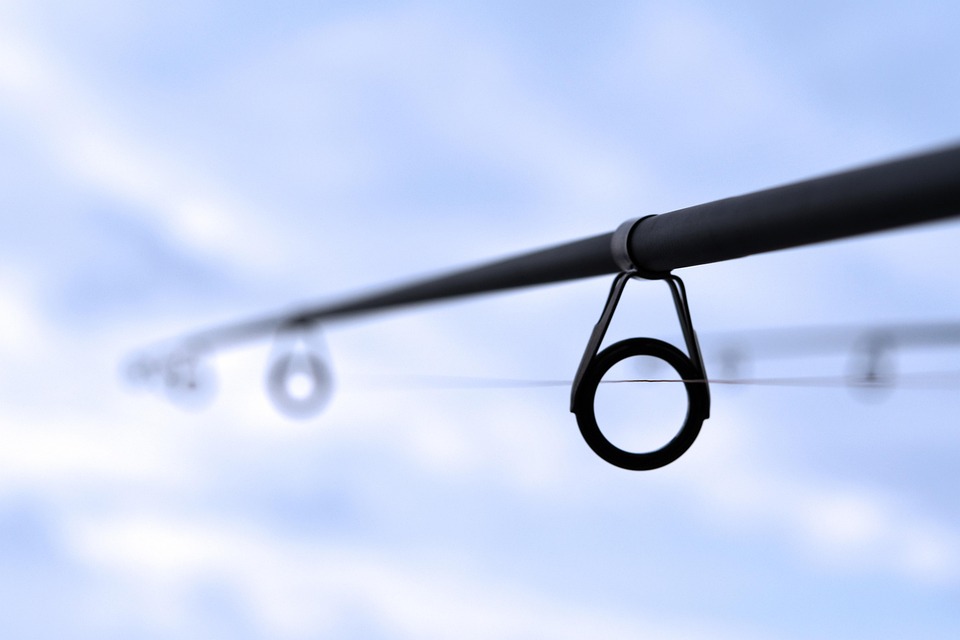
A light or ultralight spinning rod, around 5 to 6.5 feet in length, is ideal for bluegill fishing. Coupled with a spinning reel that holds 2-6 lb test line, this setup allows for precise casting and sensitivity, crucial for detecting bites.
Hooks
Small hooks, such as size 8 to 12, are recommended. These sizes are perfect for the mouths of bluegills and ensure a better chance of hook-up.
Line
Monofilament line is popular due to its stretch and ease of handling. Use lighter line (2-6 lb test) for better feel and sensitivity when a bluegill takes your bait.
Techniques for Success
Having the right bait and tackle is just the beginning. Understanding effective fishing techniques will enhance your bluegill fishing game:
Location, Location, Location
Finding the right spot is crucial. Bluegills often seek cover during the day. Look for:
- Vegetation: Weeds and lily pads provide excellent cover.
- Depth Changes: Drop-offs and submerged structures can be hotspots.
- Shallows in Spawning Season: In warmer months, bluegills move into shallow waters to spawn, which can be a goldmine for anglers.
Time of Day
Bluegills are more active during the early morning and late afternoon. This is when they are likely to be feeding, making these times prime fishing hours.
Presentation Techniques
Adapting your presentation can yield better results:
- Slow Retrieval: A slow, steady retrieve can mimic a wounded baitfish, enticing bluegills to bite.
- Vertical Jigs: Drop your bait straight down near cover and jig it to attract attention.
- Surface Fishing: When using topwater baits like poppers, create a bubble trail to entice bluegills to strike.
Seasonal Considerations
Understanding the seasonal behavior of bluegills can significantly increase your fishing success rate:
Spring
As the water begins to warm, bluegills move to shallow areas to spawn. Use small jigs, live bait, or float rigs close to the shore.
Summer
During hotter months, bluegills often seek cooler water and shade. Fish deeper and focus on submerged structures. Early mornings and evenings are best.
Fall
As temperatures drop, bluegills become more active again, moving to shallower waters. Consider using spinnerbaits or small plastic jigs.
Winter
Ice fishing is a popular option for targeting bluegills in winter. Use small jigs with live bait, focusing on deeper holes near structures.
Conclusion
Mastering bluegill fishing requires a combination of knowledge, patience, and practice. By using the right bait, tackle, and techniques, anglers of all ages will find success and enjoyment in their pursuit of these delectable panfish. Embrace the challenges and joys that come with bluegill fishing, and you will not only enhance your skillset but also create lasting memories on the water.
FAQs
What is the best time of year to catch bluegill?
The best time to catch bluegill is during the spawning season in spring and the active feeding times in summer and fall. Early mornings and late afternoons are optimal.
Can I catch bluegill from a boat?
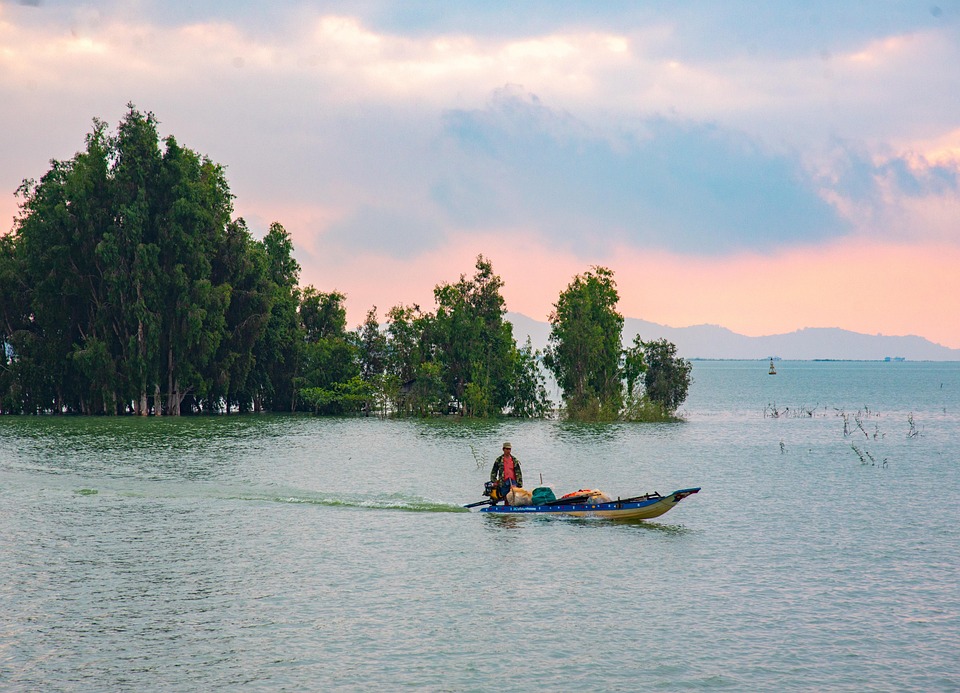
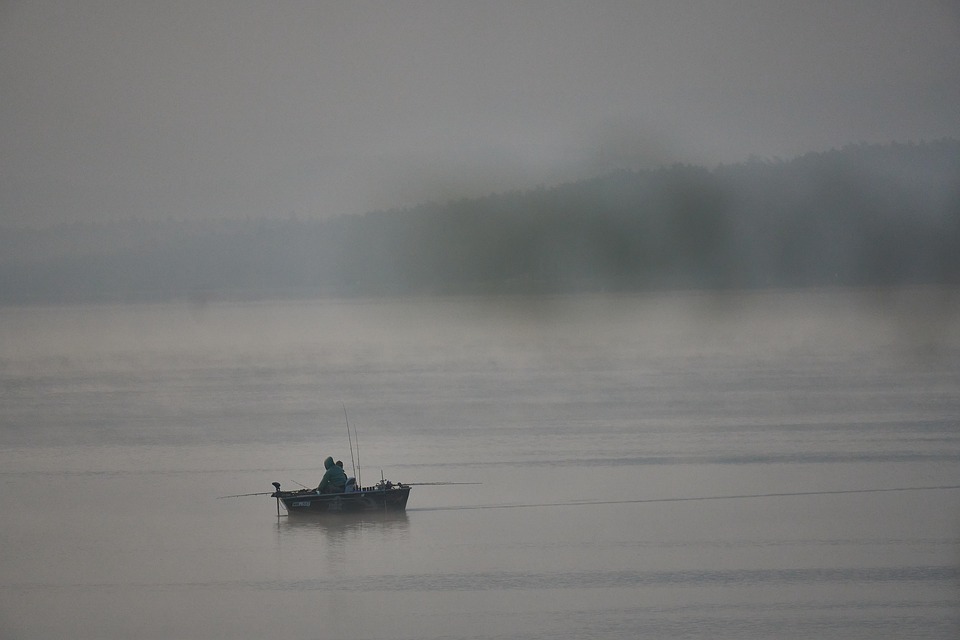
Absolutely! Fishing from a boat can provide access to deeper waters and submerged structures where bluegills often congregate.
What size hook should I use for bluegill fishing?
A size 8 to 12 hook is recommended for bluegill fishing, as it fits well in their mouths and improves the chance of a successful catch.
What type of line should I use for bluegill fishing?
Monofilament line with a test strength of 2-6 lb is ideal for bluegill fishing. It’s light enough for sensitivity and effective casting.
Is bluegill good to eat?
Yes, bluegills are known for their mild flavor and flaky texture, making them a popular choice for home cooking.
- bass fishing
- Bluegill Fishing
- carp fishing
- catfish fishing
- Crappie Fishing
- freshwater angling
- freshwater bait fishing
- freshwater fishing
- freshwater fishing gear
- freshwater fishing guides
- freshwater fishing species
- freshwater fishing techniques
- freshwater fishing tips
- freshwater fly fishing
- freshwater spinning fishing
- inland fishing
- lake fishing
- lakes fishing
- largemouth bass fishing
- muskie fishing
- panfish fishing
- Perch Fishing
- pike fishing
- pond fishing
- reservoir fishing
- reservoirs fishing
- river fishing
- rivers fishing
- Salmon Fishing
- smallmouth bass fishing
- stream fishing
- Tilapia Fishing
- Trout Fishing
- Walleye Fishing












Leave a comment