








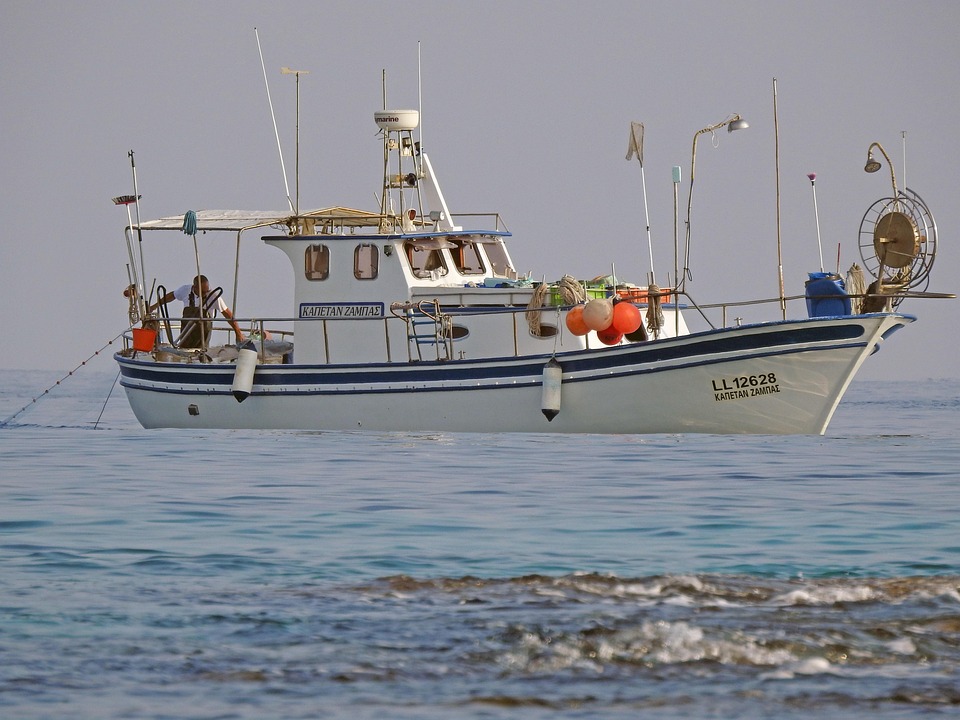
Watercraft fishing has evolved tremendously over the years, and among the various methods, trolling has emerged as a favorite among anglers. This technique stands out for its versatility, efficiency, and the unique thrill it offers, making it a popular choice for novice and seasoned fishermen alike. But what is trolling, and how can one master the art? Let’s dive into this fascinating world of watercraft fishing.
Understanding Trolling
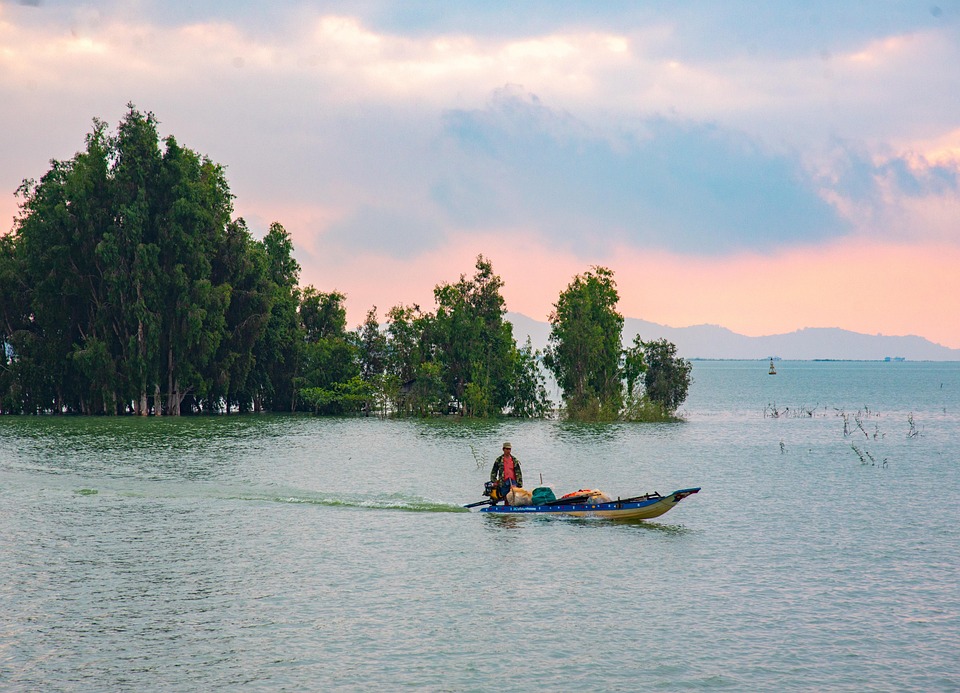
Trolling is a method of fishing where one or more fishing lines, baited with lures or bait fish, are drawn through the water. It is typically performed from a moving boat, utilizing the craft’s speed to effectively attract fish. Unlike stationary methods, trolling covers a larger area, providing anglers the opportunity to target various species in their habitat.
The History of Trolling
The origins of trolling can be traced back to ancient fishing communities where boats were used to drag bait and catch fish. Over time, technological advancements have refined this technique, leading to modern trolling practices that incorporate specialized equipment and strategic planning.
Essential Gear for Trolling
To become proficient in trolling, the right gear is paramount. Here’s a breakdown of essential equipment for successful trolling:
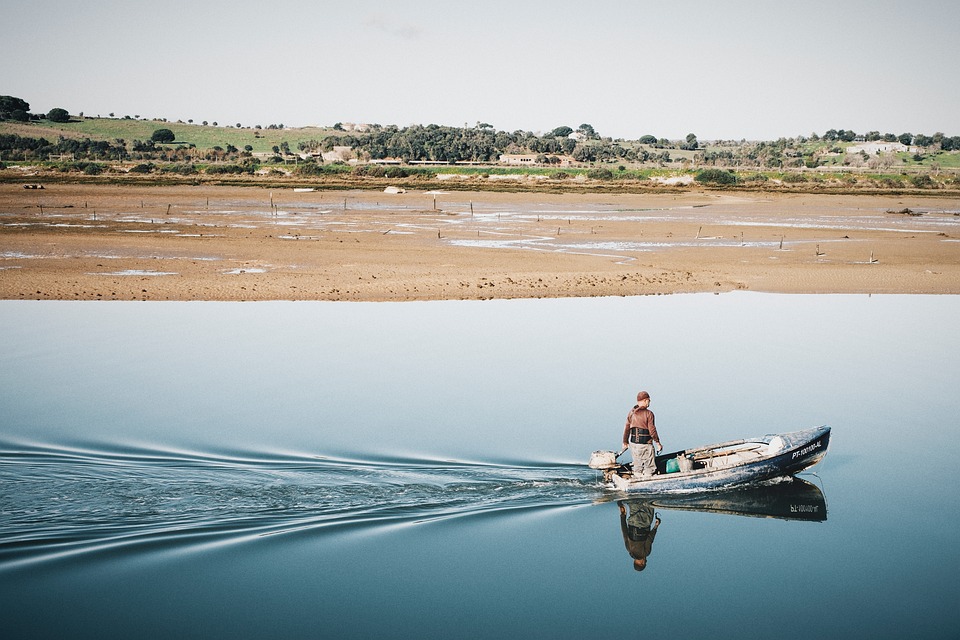
- Watercraft: A suitable boat equipped with a reliable motor is crucial. While larger vessels are beneficial for ocean fishing, smaller boats can effectively troll lakes and rivers.
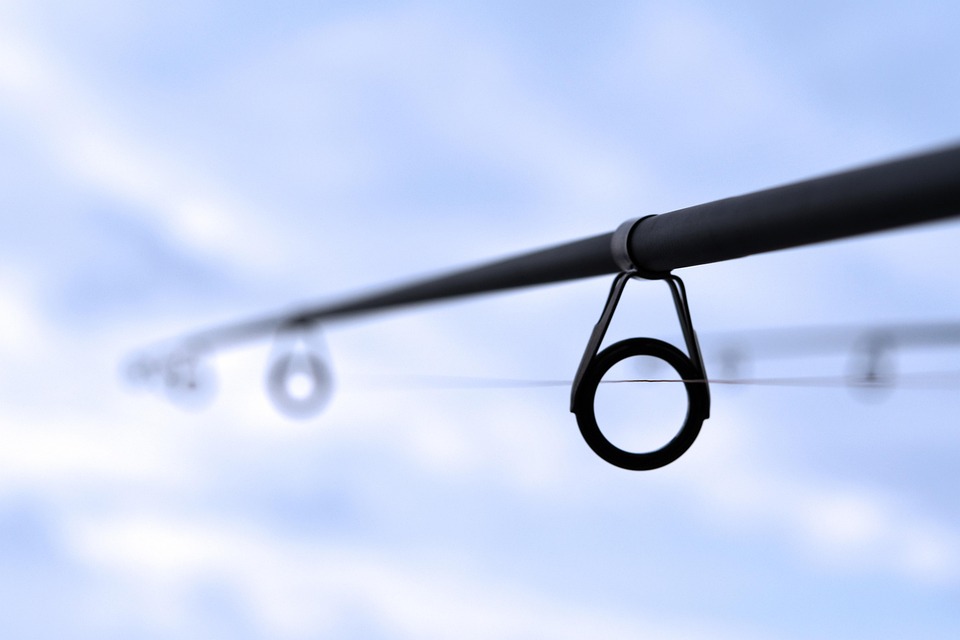
- Rod and Reel: Trolling rods are generally longer and more robust than standard fishing rods. Pair these with high-quality reels that can handle the weight of the fish and the resistance of the water.
- Line: A strong monofilament or braided line is necessary for trolling. The line should be able to withstand the added stress of the trolling technique.
- Lures and Bait: Selecting the correct lures is vital. Depending on the species targeted, choose between artificial lures and live bait. Popular choices include spoons, plugs, and soft baits.
- Downriggers and Planers: These devices help to control the depth at which the lure is presented, allowing for more effective trolling.
- Navigational Equipment: GPS and fish finders are essential for identifying productive fishing spots and tracking movement.
Techniques and Strategies for Effective Trolling
Having the right gear is only half the battle; knowing how to effectively use it is crucial. Here are key strategies for successful trolling:
Choosing the Right Location
Your success in trolling will greatly depend on where you choose to fish. Research local hotspots known for high fish activity—these can include:
- Structure (reefs, drop-offs, and submerged obstacles)
- Inlets and estuaries (where freshwater meets saltwater)
- Seasonal migratory paths (for species such as salmon and tuna)
Understanding Fish Behavior
Different species have unique feeding habits and behaviors influenced by time of day, water temperature, and weather conditions. Understanding these nuances is crucial to successfully attract fish while trolling.
Speed and Depth Control
The speed at which you troll can make or break your fishing experience. Typically, a speed of 2 to 4 knots works best for most game fish. Additionally, using downriggers or weights can help maintain the desired depth of your lure or bait.
Variety of Lures
A diverse tackle box is essential. Experimenting with different shapes, colors, and sizes of lures can help determine what works best during a particular outing. Monitor the water clarity and weather conditions, as they can influence fish attraction.
Maintaining Safety While Trolling
Fishing can present hazards, especially when on the water. Here are some safety tips to consider:
- Life Jackets: Always wear a life jacket and ensure all passengers aboard are equipped as well.
- Weather Conditions: Monitor the weather and avoid fishing in adverse conditions such as storms or high winds.
- Boat Maintenance: Ensure that your boat is seaworthy and equipped with all necessary safety equipment (flares, first aid kit, fire extinguisher).
The Thrill of the Catch
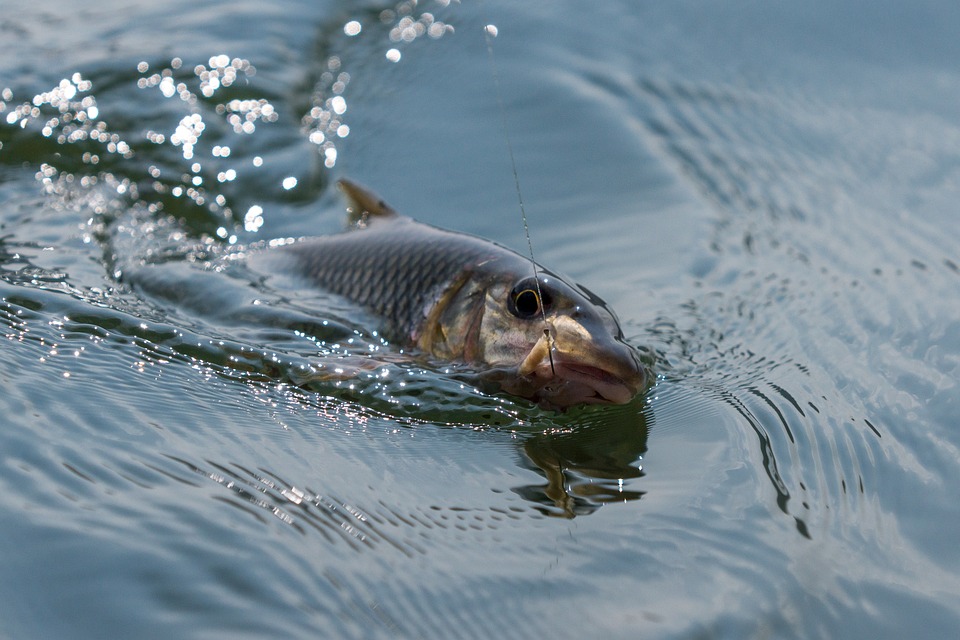
Much of the excitement in trolling comes from the anticipation of a catch. When the line goes taut, it’s vital to respond quickly. Setting the hook effectively and managing the fight with the fish is a skill that improves with practice. Here are a few tips to follow:
- Keep the rod at a 45-degree angle when reeling in.
- Don’t rush; let the fish tire itself out before attempting to bring it onboard.
- Use a net when landing larger fish to avoid losing them.
Environmental Considerations
As stewards of the water, anglers must practice sustainable fishing. Be aware of regulations and guidelines in your area regarding catch limits and seasons. Respect marine life and habitat by minimizing your impact on the environment.
Conclusion
Trolling is not only a method of fishing but also an art that balances gear, techniques, and understanding of aquatic ecosystems. By mastering the essential tools and strategies, whether you are on a tranquil lake or battling the waves offshore, you can enhance your fishing experience. So gear up, study your waters, and embrace the thrill of casting lines from your watercraft. Each trip offers a chance to connect with nature and enjoy the thrill of the chase, making trolling a rewarding pursuit for anglers of all skill levels.
FAQs
What is the best time to go trolling?
The best times for trolling generally align with early mornings and late afternoons when fish are most active feeding.
What types of fish can be targeted using trolling?
Common species targeted while trolling include salmon, trout, walleye, and various saltwater species like tuna and marlin.
How deep should I troll my lures?
The depth at which you should troll your lures depends on the species you’re targeting and their feeding habits. Research the targeted species to determine the most effective depth.
Do I need a fishing license to troll?
Yes, most regions require anglers to hold a valid fishing license. Ensure you adhere to local regulations.
What is the average trolling speed?
For freshwater species, speeds between 1.5 to 3 mph are most effective, while in saltwater, speeds can vary from 3 to 7 mph depending on the targeted species.
- barracuda fishing
- beach fishing
- big game fishing
- bluewater fishing
- boat fishing
- coastal fishing
- deep ocean fishing
- deep sea fishing
- drift fishing
- grouper fishing
- jigging fishing
- kingfish fishing
- mahi mahi fishing
- marlin fishing
- ocean fishing
- offshore fishing
- pier fishing
- reef fishing
- sailfish fishing
- saltwater angling
- saltwater fishing
- saltwater fishing guides
- shark fishing
- shore fishing
- snapper fishing
- sport fishing
- surf fishing
- trolling fishing
- tuna fishing









Leave a comment