











Pike fishing is an exhilarating outdoor activity that draws angling enthusiasts who appreciate the thrill of catching one of North America’s most formidable freshwater predators. Known for their sharp teeth and aggressive behavior, Northern pike (Esox lucius) are not just a challenge to catch; they also provide delicious table fare. In this guide, we will explore the best locations for pike fishing, the baits and techniques that work best, and the essential gear needed for a successful outing.
1. Understanding Pike Behavior and Habitat
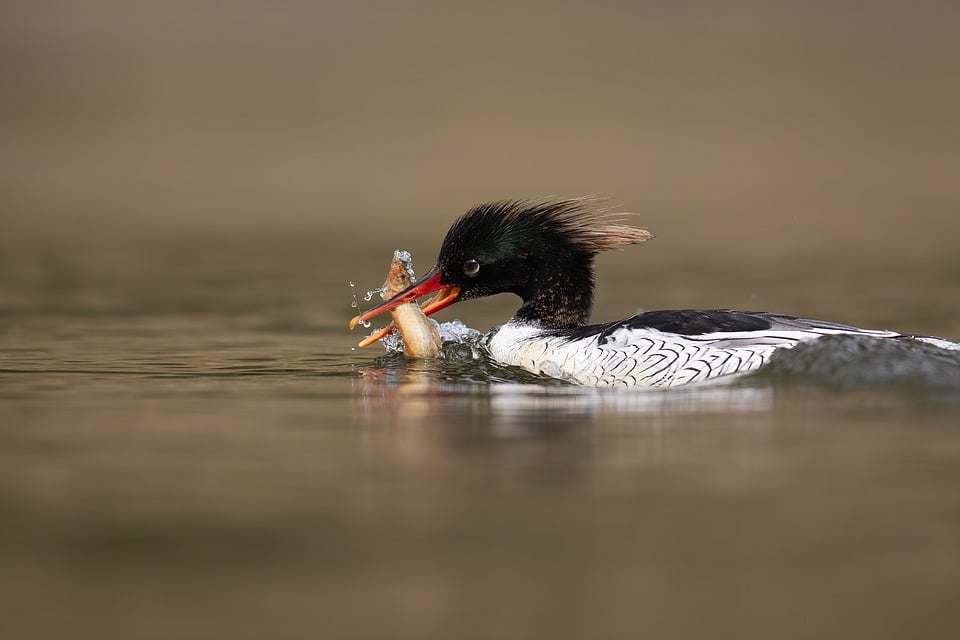
To catch pike, it is crucial to understand their natural behavior and preferred habitats. Northern pike are ambush predators; they usually lurk in vegetated areas of lakes, rivers, and marshes, waiting to pounce on unsuspecting prey.
Preferred Locations
When looking for pike, consider the following environments:
- Weedy Areas: Thick aquatic vegetation provides cover for pike as they ambush their prey. Look for patches of cattails, lily pads, and submerged weeds.
- Drop-offs: Steep underwater drop-offs often lead to deeper waters where pike like to hunt. These areas can be hotspots during different times of the day.
- Backwater Ponds: Shallow backwater areas with warmer water are often breeding grounds for baitfish, attracting pike.
- River Mouths: The junctions where rivers enter lakes are high-traffic areas for both pike and their prey.
2. The Best Baits for Pike Fishing
Choosing the right bait is critical for successfully catching pike. They are aggressive feeders and have diverse tastes, which can vary with seasonal changes, time of day, and weather conditions.
Natural Baits
Natural baits worth considering include:
- Live Minnows: A common choice, minnows like shiners and chubs can be particularly effective, especially when used with a float or rigged onto a hook.
- Dead Bait: Northern pike also respond well to cut bait, such as ciscos or smelt. Presenting these in strategic locations can yield excellent results.
Artificial Lures
Artificial lures are favored by many anglers due to their versatility and convenience. Popular choices include:
- Spinnerbaits: The spinning blades create vibration and flash, attracting pike from a distance.
- Swimbaits: These lures mimic the swimming action of baitfish and can be very effective when retrieved at the right speed.
- Topwater Lures: For those seeking a visual thrill, topwater lures can provoke explosive strikes, particularly during low-light conditions in the early morning or late evening.
- Jerkbaits: Their erratic movement can trigger the predatory instincts of pike, making them an essential addition to your tackle box.
3. Essential Gear for Pike Fishing
Equipping yourself with the right gear is key to ensuring a successful fishing experience. Here’s what you need:
Rod and Reel
Light tackle is not advisable for pike fishing. Instead, consider the following:
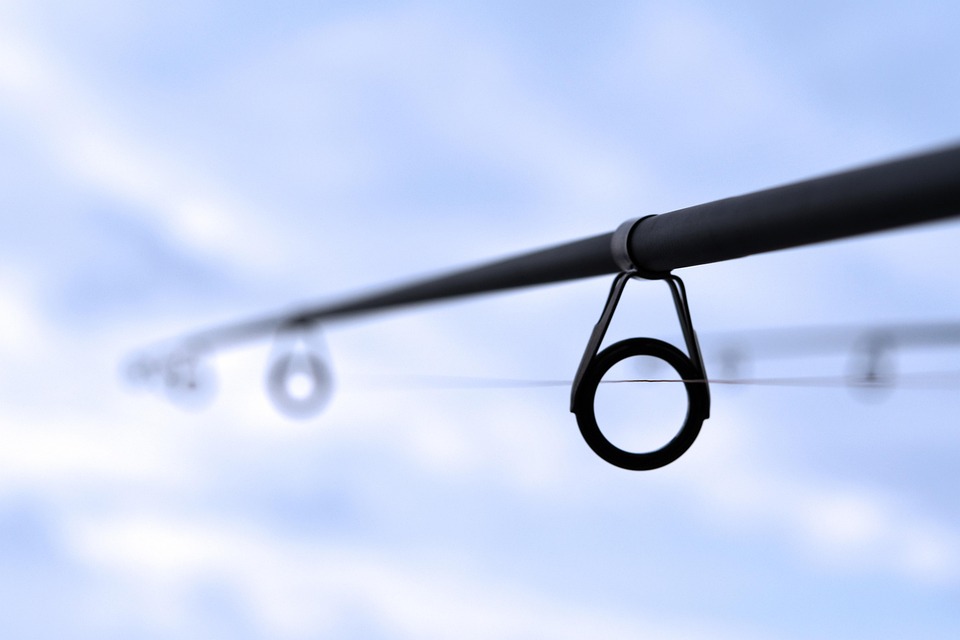
- Rod: A medium to medium-heavy rod, typically 6.5 to 8 feet long, provides the necessary strength and flexibility.
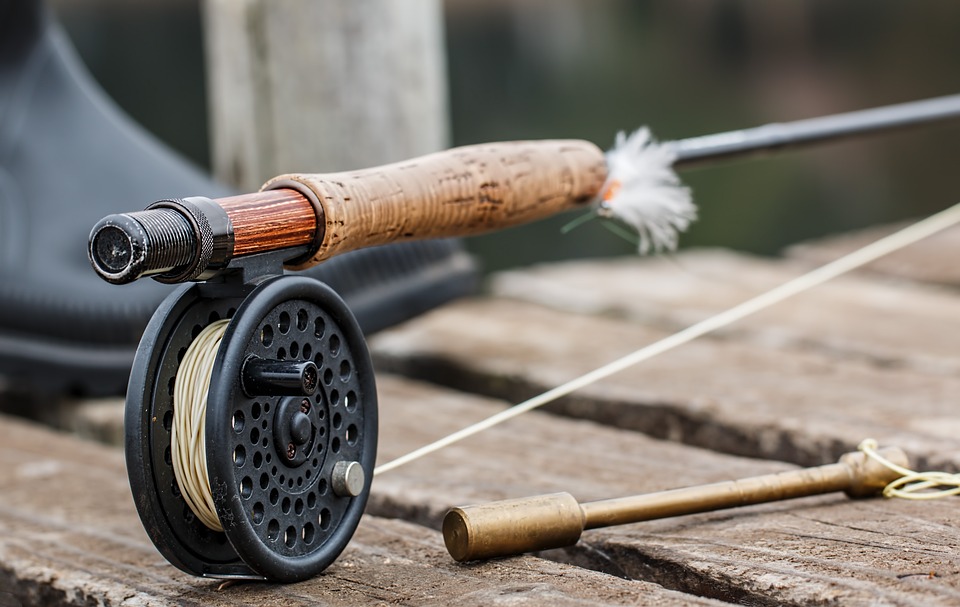
- Reel: A high-capacity baitcasting or spinning reel with a robust drag system is ideal for handling the weight and fight of large pike.
Line
Opt for a strong line, as pike have sharp teeth that can cut through regular monofilament. Recommendations include:
- Fluorocarbon Line: Offers invisibility underwater and is rated for abrasion resistance.
- Wire Leaders: Using a wire leader can prevent bite-offs, especially in areas where pike are known to be particularly aggressive.
Accessories
Some additional equipment to consider includes:
- Fish Finder: Useful for locating structures and schools of baitfish.
- Pliers and Cutters: Essential for removing hooks and line.
- Landing Net: A large net ensures you can safely land larger pike without harming them.
- Camera: To capture your impressive catches for memories and bragging rights!
4. Techniques for Catching Pike
The methodology you employ can significantly impact your success rate. Here are effective techniques for pike fishing:
Trolling
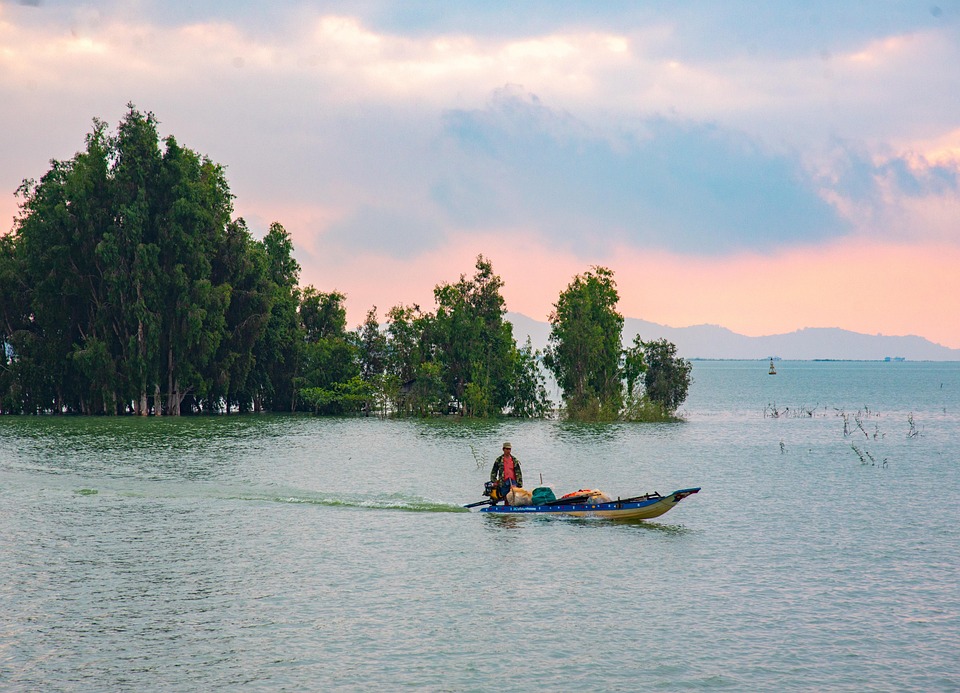
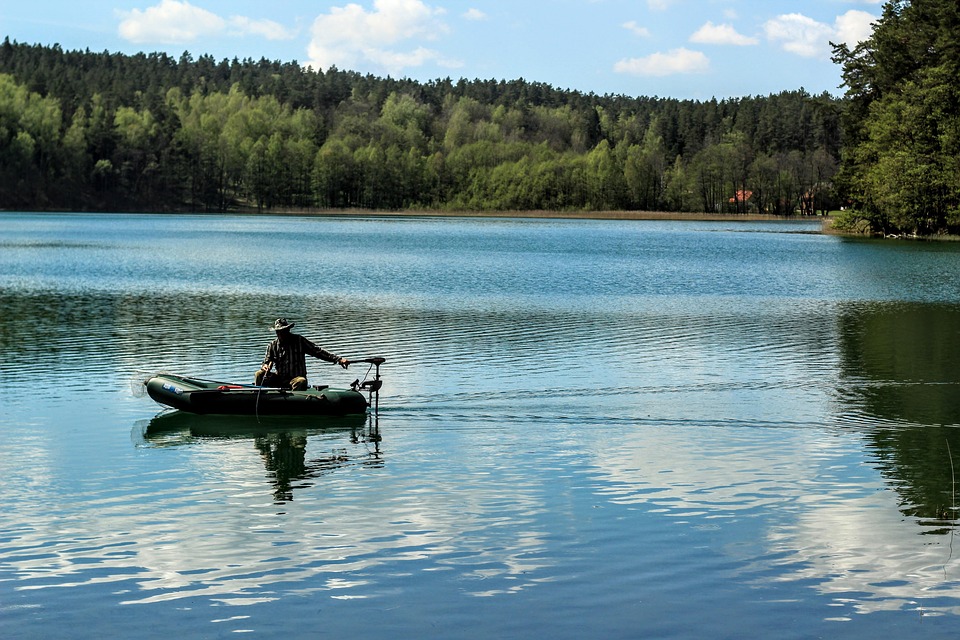
Trolling is a popular method for covering large areas and locating pike. By pulling baits or lures behind a moving boat, you can find active fish quickly. Start with a speed of 2-3 mph, adjusting as needed.
Casting
Spot casting to specific structures or ambush points can entice pike. Aim to present your lure right next to weed edges, submerged rocks, or fallen timber.
Drift Fishing
Utilizing the natural current of rivers or lakes, drift fishing can help anglers cover various depths effectively. This method works especially well with natural baits.
Conclusion
Pike fishing can be an exhilarating and rewarding experience for anglers of all skill levels. Understanding their preferred habitats, choosing the right baits, and using the proper gear are all essential components for success. The thrill of hooking a pike is unmatched, offering not just a test of skill but also an opportunity to connect with nature. Whether you are a beginner or a seasoned pro, take the time to learn, adapt, and enjoy the journey that pike fishing offers.
Frequently Asked Questions (FAQs)
1. What is the best time of year for pike fishing?
The best time for pike fishing is typically during spring and fall when water temperatures are cooler, and pike are more active. Early mornings and late evenings are particularly productive times.
2. What are the legal size limits for pike in different areas?
Legal size limits for pike vary by state or province. Always check local regulations to ensure you’re compliant with fishing laws and conservation efforts.
3. Are there specific lures that work better in certain seasons?
In spring, larger lures mimicking spawning baitfish can be effective, while smaller baits may work better in summer when pike tend to feast on smaller prey.
4. Can I catch pike in saltwater?
No, Northern pike are freshwater fish and do not inhabit saltwater environments. They are primarily found in lakes, rivers, and marshes.
5. How do I properly handle pike to ensure their survival after catch and release?
To ensure the pike’s survival, wet your hands before handling, minimize their time out of the water, and use a proper landing net to avoid causing injury. Support their body when lifting to help maintain their wellbeing.
- advanced predator fishing
- aggressive fish fishing
- barracuda fishing
- barracuda lure fishing
- freshwater predator fishing
- large predator fishing
- muskie fishing
- muskie lure fishing
- pike fishing
- pike lure fishing
- predator angling
- predator fishing
- predator fishing baits
- predator fishing destinations
- predator fishing for beginners
- predator fishing gear
- predator fishing guides
- predator fishing lures
- predator fishing reels
- predator fishing rigs
- predator fishing rods
- predator fishing seasons
- predator fishing spots
- predator fishing tactics
- predator fishing techniques
- predator fishing tips
- predatory fish fishing
- saltwater predator fishing
- zander fishing
- zander jigging







Leave a comment