








The great outdoors beckons, and for many fishing enthusiasts, the walleye is the crown jewel of freshwater angling. Known for its delectable taste and sporting spirit, walleye fishing has captured the hearts of anglers across North America. Not only do these fish thrive in a variety of waters, but they are also schooled and strategic, adding layers of complexity to an angler’s experience. Whether you’re an experienced fisherman or a budding adventurer, understanding the best seasons for walleye fishing can significantly enhance your chances of landing the big one.
The Lifecycle of Walleye and Seasonal Behavior
Walleye (Sander vitreus) are predominantly found in freshwater lakes and rivers. Their lifecycle is closely tied to seasonal changes, which impact their feeding, spawning, and migratory patterns. Understanding these behaviors can drastically improve your fishing strategies throughout the year.
Spring: The Spawning Season
Spring is arguably the most critical time for walleye fishing. As water temperatures rise to around 45°F to 55°F, usually between late April and early June, walleye move to shallow waters to spawn. Anglers can often catch larger females during this time as they become more active in search of spawning grounds.
- Look for walleye around rocky structures in lakes or river bends.
- Jerking jigs and using crankbaits can prove effective strategies.
- Nighttime fishing can yield significant rewards, as walleye tend to be more active in low light.
Summer: The Heat of the Hunt
As water temperatures increase, walleye behavior shifts. They seek cooler spots, typically moving deeper into lakes or finding shaded areas during the day. Summer fishing can be challenging but rewarding if you know where to look.
- Fish in depths of 15 to 30 feet during hotter months.
- Focus on structures like underwater humps, points, or drop-offs.
- Slip bobbers or trolling with crankbaits can yield great results.
Fall: The Feeding Frenzy
As temperatures begin to decline, walleye enter a feeding frenzy in preparation for winter. This is one of the best times for walleye fishing. They become aggressive as they bulk up for the colder months, making them less eerie and easier to catch.
- Look for schools of baitfish in shallow waters, as walleye will follow their food source.
- Best strategies include casting jigs or trolling crankbaits near the shorelines.
- Midday, especially during overcast days, can yield excellent fishing conditions.
Winter: A Different Challenge
Walleye fishing during winter certainly poses its challenges, but it can result in significant rewards. Ice fishing has become a popular winter activity, allowing anglers to target walleye in a unique setting.
- Focus on areas known to hold walleye and set up on likely feeding grounds.
- Vertical jigging with minnows or jigs can attract these fish.
- Use sonar to locate schools and be prepared for sporadic activity.
Choosing the Right Gear
In addition to understanding the seasonal behaviors of walleye, having the right gear can enhance your fishing experience. Here’s what you need:
Rods and Reels
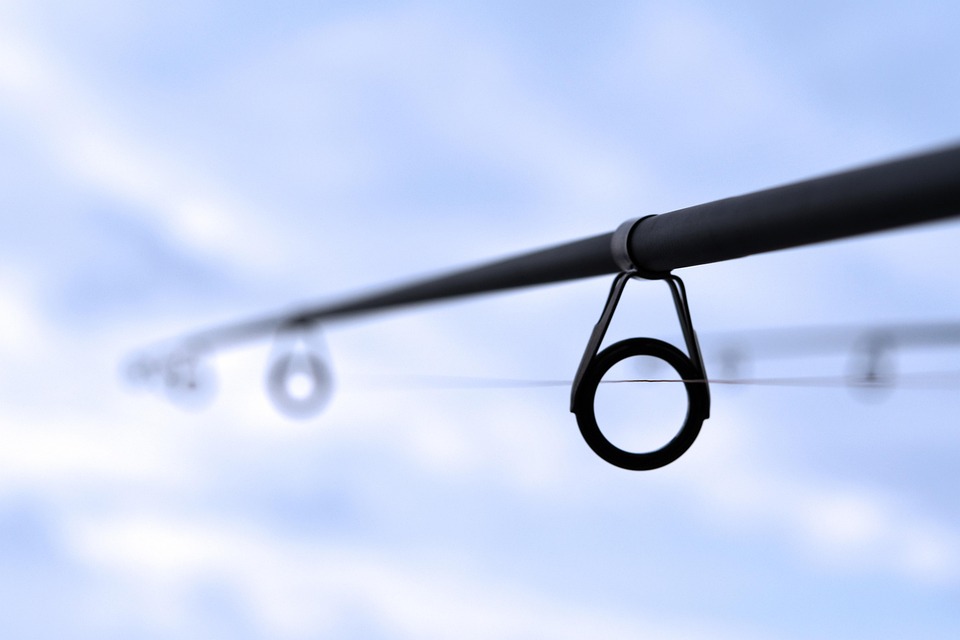
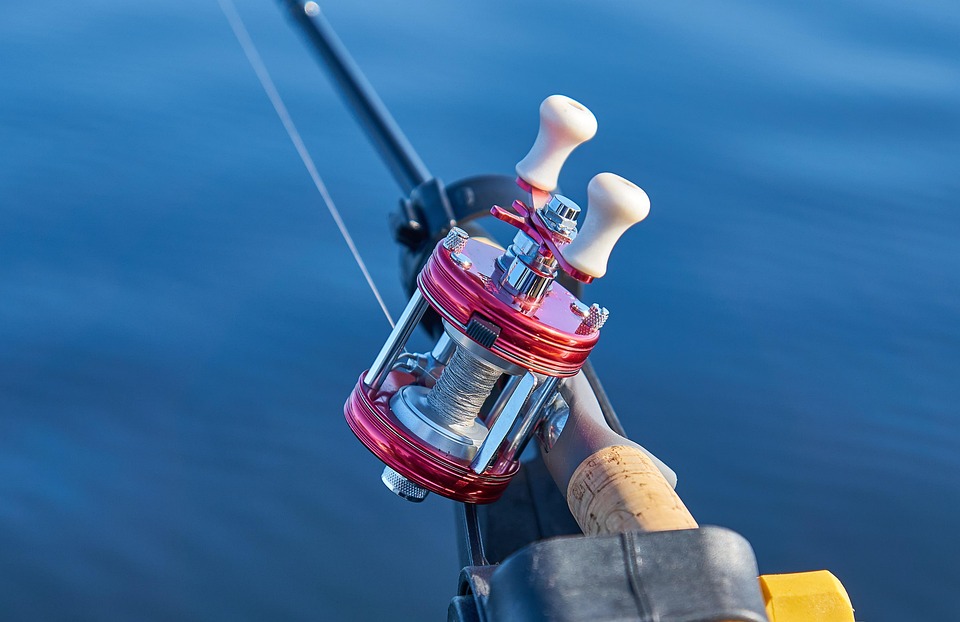
Select a medium to medium-light spinning rod with a sensitive tip to detect subtle bites. A quality reel should have a smooth drag system, allowing for easy adjustments during fights.
Lines and Leaders
Fluorocarbon lines work well for walleye, as they offer low visibility underwater. A braided line can be beneficial for its sensitivity and strength, especially in deeper waters.
Baits and Lures
Jigs, crankbaits, and live baits, like minnows and leeches, are top recommendations for walleye fishing. Different seasons will require different lures, so always be adaptable with your choices.
Conservation and Responsible Fishing
While walleye fishing can be an exhilarating experience, it’s essential to practice conservation. Overfishing can lead to depleted populations, which can affect both the fish and the ecosystems that support them. Here are some practices to consider:
- Know and adhere to local fishing regulations and limit rules.
- Practice catch and release for smaller fish to maintain population sizes.
- Be respectful of local habitats and practice “Leave No Trace” principles.
Conclusion
Walleye fishing is not just a hobby; it’s an adventure that brings both new and seasoned anglers into the great outdoors. By understanding the best seasons to fish, choosing the right gear, and adhering to responsible practices, you can greatly improve your chances of landing trophy walleye. As you cast your line into the shimmering waters, remember to savor each moment spent in nature, for it’s not just about the catch but also about the experience.
FAQs
What is the best time of day to catch walleye?
The best times are typically early in the morning and late in the afternoon when walleye are most active.
What is the legal size limit for walleye?
Legal size limits vary by region. Always check local regulations for the specific guidelines on size and creel limits.
Can I catch walleye from shore?
Yes, walleye can be caught from shore, especially near rocky areas, drop-offs, and shallow inlets during spawning seasons.
What lures work best for walleye fishing?
Jigs, crankbaits, and live bait are some of the most effective lures for catching walleye, varying by season and water conditions.
- bait fishing seasons
- bass fishing seasons
- best fishing times
- bluegill fishing seasons
- carp fishing seasons
- catfish fishing seasons
- crappie fishing seasons
- fishing seasons
- fly fishing seasons
- inshore fishing seasons
- jigging seasons
- marlin fishing seasons
- muskie fishing seasons
- offshore fishing seasons
- panfish fishing seasons
- pike fishing seasons
- popping seasons
- sailfish fishing seasons
- salmon fishing seasons
- seasonal fishing for beginners
- seasonal fishing guides
- seasonal fishing guides worldwide
- seasonal fishing strategies
- seasonal fishing tips
- shark fishing seasons
- spinning fishing seasons
- trolling seasons
- trout fishing seasons
- tuna fishing seasons
- walleye fishing seasons
- zander fishing seasons











Leave a comment