










When it comes to freshwater fishing, few experiences can match the thrill of catching bluegill. These feisty panfish are not just abundant; they are also relatively easy to catch, making them a favorite among novice anglers and seasoned fishermen alike. Whether you’re looking for a peaceful day on the water or preparing for a family fish fry, this comprehensive guide will provide you with the tips, tricks, and tactics you need to land more bluegill.
Understanding Bluegill
Bluegill (Lepomis macrochirus) are a species of sunfish that are widely distributed across North America. Known for their distinctive blue tones around the gill area and their round shape, bluegills are typically found in lakes, ponds, and rivers. They thrive in warm waters with plenty of vegetation, where they can find shelter and food.
Habitat and Behavior
Bluegills prefer shallow waters where light can penetrate, usually around sandy or muddy bottoms. They are often found near structures such as weeds, fallen trees, or rocks, which provide cover from predators. As opportunistic feeders, bluegills primarily consume insects, small crustaceans, and even plant matter. Understanding their feeding habits and movement patterns is crucial for successful fishing.
Best Time to Fish for Bluegill
Timing can be everything in fishing. To enhance your chances of success, consider the following guidelines:
Seasonal Timing
- Spring: This is often considered the best time for bluegill fishing, particularly during the spawn when they move into shallow waters. Look for beds in late April to early June.
- Summer: Bluegills can be caught throughout the summer, especially in the early morning or late evening when they are feeding closer to the surface.
- Fall: As temperatures drop, bluegills tend to school up and can be found in deeper waters. Fishing can still be productive during early fall.
- Winter: Ice fishing for bluegill is possible, but it requires different tactics, such as smaller jigs and baits.
Essential Gear for Bluegill Fishing
Having the right gear can significantly impact your fishing experience. Here’s what you’ll need:
Rod and Reel
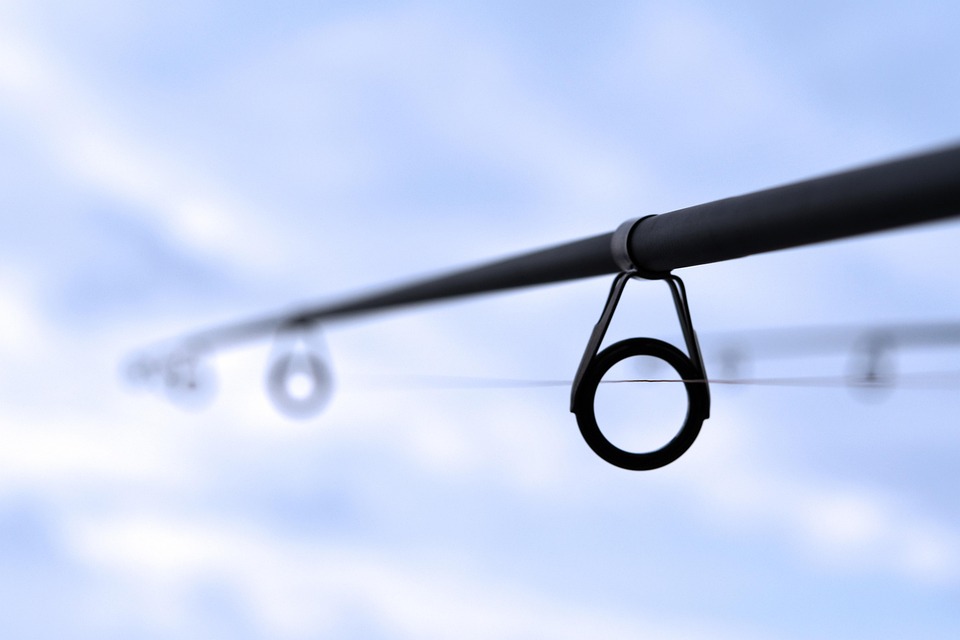
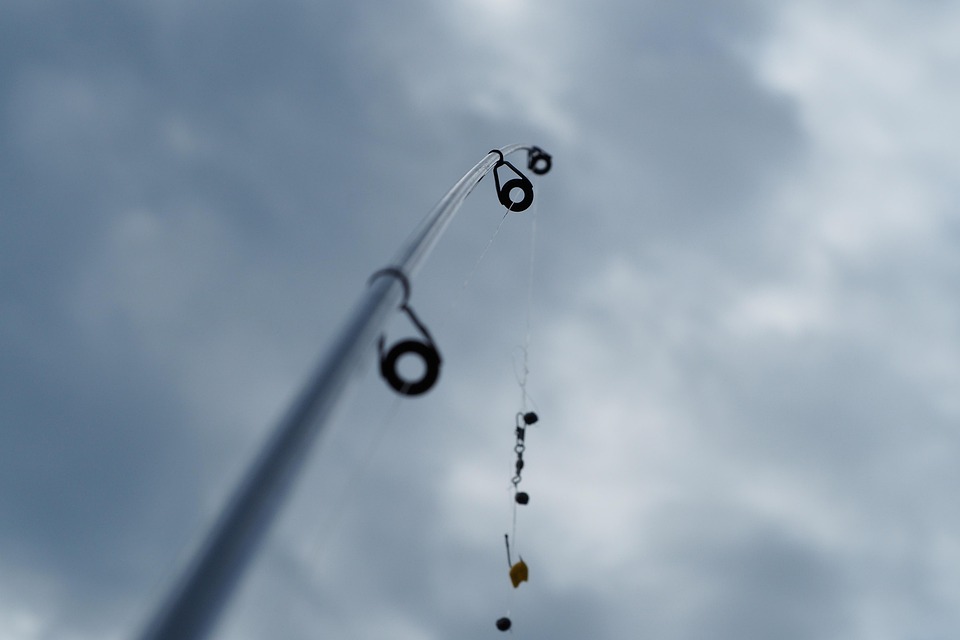
A medium-light spinning rod between 5 to 7 feet is ideal for bluegill fishing. Coupled with a spinning reel, this setup provides the sensitivity needed to detect bites from smaller fish.
Line
Opt for a monofilament line between 4 to 8-pound test. This provides enough strength to handle bluegills while being light enough to avoid spooking them.
Baits and Lures
Bluegills will bite on a variety of baits. Here are some productive options:
- Live Bait: Worms, crickets, and minnows are classic choices that bluegills can’t resist.
- Artificial Lures: Small jigs, spoons, and spinners can also be effective, especially when they mimic the natural movement of prey.
Techniques for Catching Bluegill
Understanding the right techniques can elevate your bluegill fishing game. Here are some popular methods:
Float Fishing
This method involves suspending your bait under a bobber at a certain depth. This can be particularly effective during the spawn when bluegills are near the surface.
Bottom Fishing
Dump your bait right on the bottom near structures. This often attracts larger bluegills that hang out near the bottom.
Fly Fishing
If you’re feeling adventurous, fly fishing can be an exhilarating way to target bluegill. Use small flies that imitate insects or even small streamers for larger bluegills.
Ice Fishing
In winter, small jigs tipped with bait can be dropped through the ice, offering an entirely unique fishing experience.
Location, Location, Location
Where you fish can be as important as how you fish. Here are some ideal habitats for bluegill:
Natural Lakes and Ponds
Many natural lakes and ponds have abundant vegetation, making them prime spots for bluegill. Look for areas with significant cover and shallow flats.
Reservoirs
These bodies of water often serve as excellent habitats, especially when they feature submerged structures.
Water Conditions
Bluegills prefer stable water conditions. Avoid fishing during heavy rain or extreme weather changes, as it can impact their feeding habits.
Tips for a Successful Bluegill Fishing Trip
During your fishing trip, here are additional tips to keep in mind:
Be Patient
Bluegills may not always bite immediately. Patience is key; allow time for fish to find your bait.
Pay Attention to Water Temperature
Bluegills thrive in water temperatures between 70°F and 80°F. If the water is too cold or too warm, their activity levels will drop.
Use a Fish Finder
Investing in a quality fish finder can greatly increase your chances of finding schooling bluegills.
Conclusion
Bluegill fishing is not just about the catch—it’s about enjoying nature, spending time with friends and family, and honing your angling skills. Whether you’re a novice angler or an experienced fisherman, understanding the habitat, behavior, and feeding patterns of bluegill fish can make all the difference in your fishing experience. By applying the tips, techniques, and gear recommendations from this guide, you’ll be well on your way to a successful day on the water. So grab your gear and head to the nearest pond or lake. The bluegill are waiting!
FAQs
What is the best time of day to fish for bluegill?
The early morning and late evening are usually the best times to catch bluegill when they feed actively in shallow waters.
What size hook should I use for bluegill?
A size 8 to 12 hook is typically recommended for bluegill fishing, as they have small mouths.
Do bluegills bite year-round?
Yes, bluegills can be caught year-round, but the techniques and locations may vary significantly depending on the season.
Can you eat bluegill?
Absolutely! Bluegill is known for its delicious, flaky white meat and is a popular choice for fish fry.
What kind of bait do bluegills prefer?
Live baits such as worms and crickets are highly effective, but bluegills will also bite on artificial lures, particularly small jigs.
- bass fishing
- Bluegill Fishing
- carp fishing
- catfish fishing
- Crappie Fishing
- freshwater angling
- freshwater bait fishing
- freshwater fishing
- freshwater fishing gear
- freshwater fishing guides
- freshwater fishing species
- freshwater fishing techniques
- freshwater fishing tips
- freshwater fly fishing
- freshwater spinning fishing
- inland fishing
- lake fishing
- lakes fishing
- largemouth bass fishing
- muskie fishing
- panfish fishing
- Perch Fishing
- pike fishing
- pond fishing
- reservoir fishing
- reservoirs fishing
- river fishing
- rivers fishing
- Salmon Fishing
- smallmouth bass fishing
- stream fishing
- Tilapia Fishing
- Trout Fishing
- Walleye Fishing









Leave a comment