






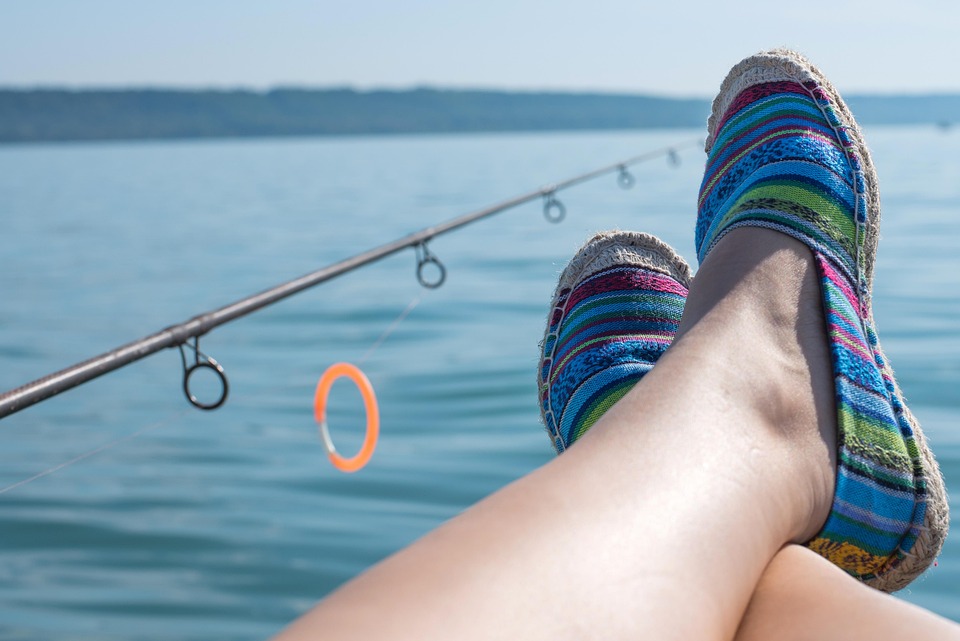

As summer rolls in, so does the excitement for outdoor activities, and few can match the serenity and thrill of fly fishing. This age-old practice has evolved into a popular sport that attracts thousands of enthusiasts, from weekend warriors to serious competitors. There’s something mesmerizing about standing in a cool mountain stream, casting a line into the crystal-clear waters, and patiently waiting for a tug that promises adventure.
A Brief History of Fly Fishing
Fly fishing dates back as far as the Roman times, with recorded mentions in “The De Natura Rerum” by Aelian in the 2nd century. However, the modern technique we recognize today has its roots in 19th-century England. Influential figures like Izaak Walton and Charles Cotton contributed to the codification of fly fishing through their writings, establishing it as more than just a means to an end but an art form.
The Environment: Finding Perfect Waters
One of the joys of fly fishing is the diverse environments it offers. Whether you’re a coastal angler casting into the surf or a freshwater fisher drifting in serene lakes and rivers, each setting presents unique challenges and rewards.
Rivers and Streams
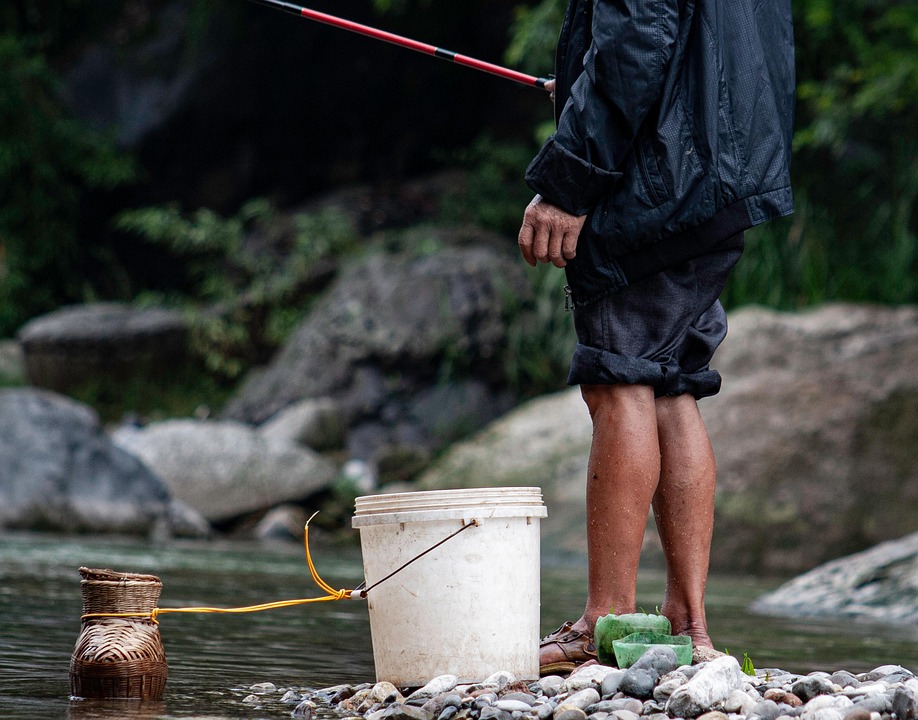
Rivers and streams remain the most popular locations for freshwater fly fishing. The clear, flowing waters are home to various fish, including trout, bass, and grayling. Armed with waders, anglers can navigate these waters, often facing the challenge of fast currents and hidden rocks.
Lakes
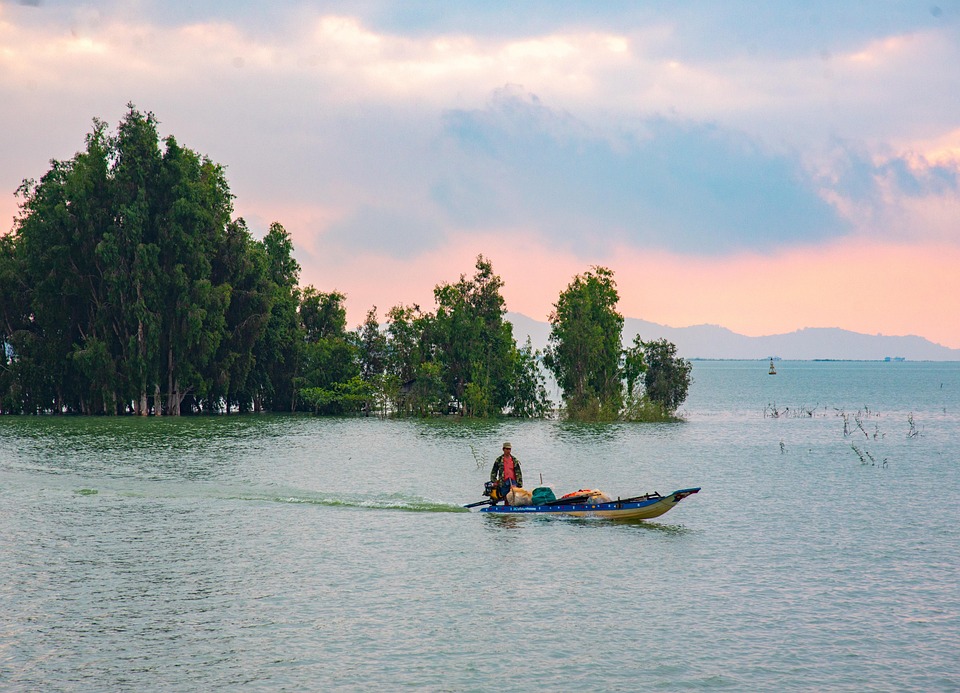
For those who prefer a more tranquil setting, lakes offer ample opportunities for fly fishing. Larger fish such as panfish and largemouth bass can often be found lurking in the shadows of submerged structures. The calmness of a lake early in the morning provides not just fishing opportunities but breathtaking views.
Saltwater Adventures
For the adventurous soul, saltwater fly fishing opens a whole new realm of possibilities. From the vast oceans to coastal bays and estuaries, saltwater fly fishing targets species like tarpon, bonefish, and permit. This type of fishing often requires specialized gear and techniques, making it appealing to those looking to expand their skills.
Tackle and Gear: Choosing the Right Equipment
Having the right gear is essential for a successful fly fishing experience. Here’s what you need to consider:
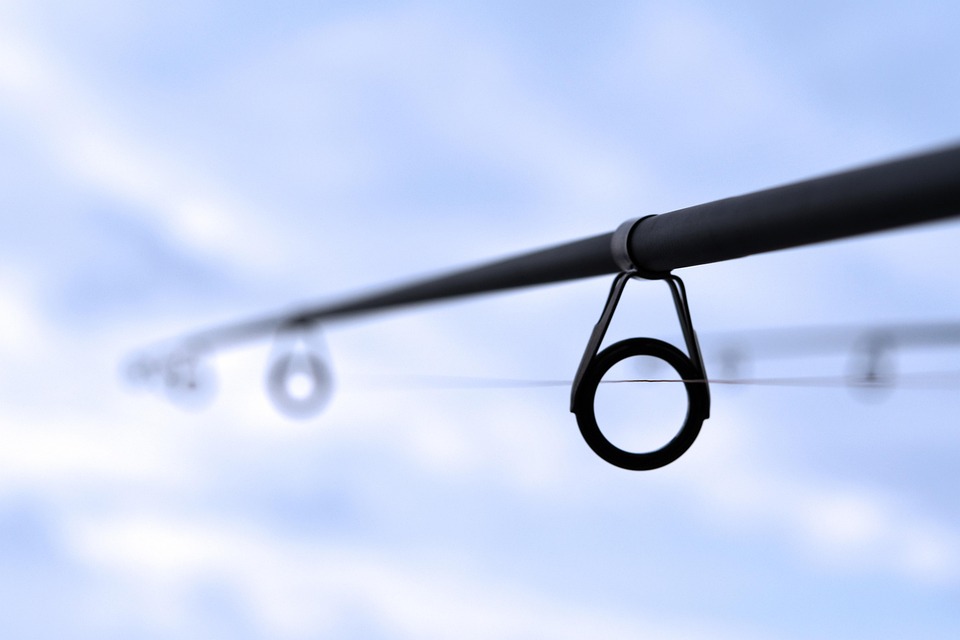
- Rod Length: Depending on where you are fishing, rod lengths can vary. Shorter rods are favorable in close quarters like streams and marshes, while longer rods excel in open waters.
- Line Weight: The weight of your line should match the size of your rod and the type of fish you are targeting.
- Flies: Flies come in a myriad of colors and designs, imitating everything from insects to small fish. The type of fly you choose will depend on seasonal hatches in your area.
The Techniques: Mastering the Art
While fly fishing may seem simple, it incorporates techniques that, once mastered, can greatly enhance your experience:
- Casting: The fundamental skill to develop is casting. Techniques like the overhead cast and roll cast are essential for efficiently getting your fly into the water.
- Mending: This technique involves repositioning your line after casting to ensure the fly drifts naturally.
- Stripping: For some species, you might need to strip the line back in to mimic the movement of prey.
Catch and Release: Conservation Ethics
The growing popularity of fly fishing is accompanied by an increasing awareness of the need for conservation. The mantra of “catch and release” is vital for ensuring sustainable fish populations.
When practicing catch and release, it’s crucial to follow these guidelines:
- Use barbless hooks to minimize injury.
- Keep fish in the water as much as possible.
- If you have to handle the fish, wet your hands first to protect their slime coat.
Experience the Community: Joining Fly Fishing Clubs
Joining a fly fishing club can significantly enhance your experience. Not only do you gain access to exclusive fishing spots, but you also meet fellow anglers who share your passion. Clubs often organize workshops, competitions, and social events that can enrich your understanding of the sport while forming lifelong friendships.
A Fly Fishing Adventure: Planning Your Trip
If you’re ready to cast your line this summer, planning the perfect fly fishing trip is essential. Here are some tips for planning:
- Research Locations: Online forums, local fly shops, and fishing guides can provide invaluable information about the best spots.
- Check Regulations: Always check local fishing regulations to ensure you comply with size and catch limits, licensing requirements, and seasonal restrictions.
- Hire a Guide: For beginners or those looking to elevate their skills, hiring a local guide can provide personalized instruction and increase catches.
The Joy of Fly Fishing: Mental and Physical Benefits
Beyond the thrill of the catch, fly fishing offers numerous benefits. The act of being outdoors has been shown to reduce stress, improve mood, and increase overall well-being. Engaging in this sport promotes physical fitness, coordination, and patience—a mix of body and mind that keeps you grounded in the present moment.
Conclusion: The Ultimate Fly Fishing Experience Awaits
As summers get warmer and days longer, the call of the water becomes irresistible. Whether you’re a novice seeking to dip your toes into a new hobby or an experienced angler searching for the next big catch, fly fishing opens the door to an experience that transcends mere recreation. It offers solitude and connection, challenge and ease, and an unparalleled joy that comes from being immersed in nature. The ultimate fly fishing experience awaits—embrace the adventure this summer and discover all that it has to offer.
FAQs
1. What is the best time of year for fly fishing?
Summer is often considered one of the best times for fly fishing due to warmer weather and active fish. Many species are more active and feeding during this time.
2. Do I need a fishing license to fly fish?
Yes, you typically need a fishing license to fly fish, but regulations vary by location. Always check your local regulations.
3. What type of fly rod is best for beginners?
A good starting point is a 9-foot, 5-weight rod. It balances versatility for various fish species and makes casting manageable for beginners.
4. Can I fly fish from a boat?
Yes! Many anglers enjoy fly fishing from boats, especially in lakes and larger rivers. It allows for greater access to prime fishing spots.
5. Is it difficult to learn how to fly fish?
Like any sport, it requires practice, but many find it rewarding and enjoyable to learn. Taking a class or hiring a guide can help accelerate the learning process.
- bait fishing seasons
- bass fishing seasons
- best fishing times
- bluegill fishing seasons
- carp fishing seasons
- catfish fishing seasons
- crappie fishing seasons
- fishing seasons
- fly fishing seasons
- inshore fishing seasons
- jigging seasons
- marlin fishing seasons
- muskie fishing seasons
- offshore fishing seasons
- panfish fishing seasons
- pike fishing seasons
- popping seasons
- sailfish fishing seasons
- salmon fishing seasons
- seasonal fishing for beginners
- seasonal fishing guides
- seasonal fishing guides worldwide
- seasonal fishing strategies
- seasonal fishing tips
- shark fishing seasons
- spinning fishing seasons
- trolling seasons
- trout fishing seasons
- tuna fishing seasons
- walleye fishing seasons
- zander fishing seasons







Leave a comment