









Offshore fishing presents a compelling escape, offering not just the thrill of a catch but an entire experience steeped in adventure. As you venture beyond the shoreline, the canvas of the ocean unfolds, inviting you to partake in an age-old pursuit that entwines nature’s bounty with personal triumph.
The Call of the Sea
For many, offshore fishing is more than just a recreational activity; it’s a way of life. The vast, untamed waters teem with possibilities. While coastal fishing offers its own charm, the deep sea holds mysteries that are both daunting and exhilarating. From the roar of the waves to the scent of salty air, everything about the offshore experience is invoking and transformative.
The Experience of Adventure
The journey begins well before the fishing rod is cast. It starts with the anticipation leading up to the trip—checking the weather, preparing gear, and most importantly, selecting the right charter. Professional charter services, like Fishing Charters, provide experienced crews who understand the currents, tides, and fishing hotspots.
Setting Sail
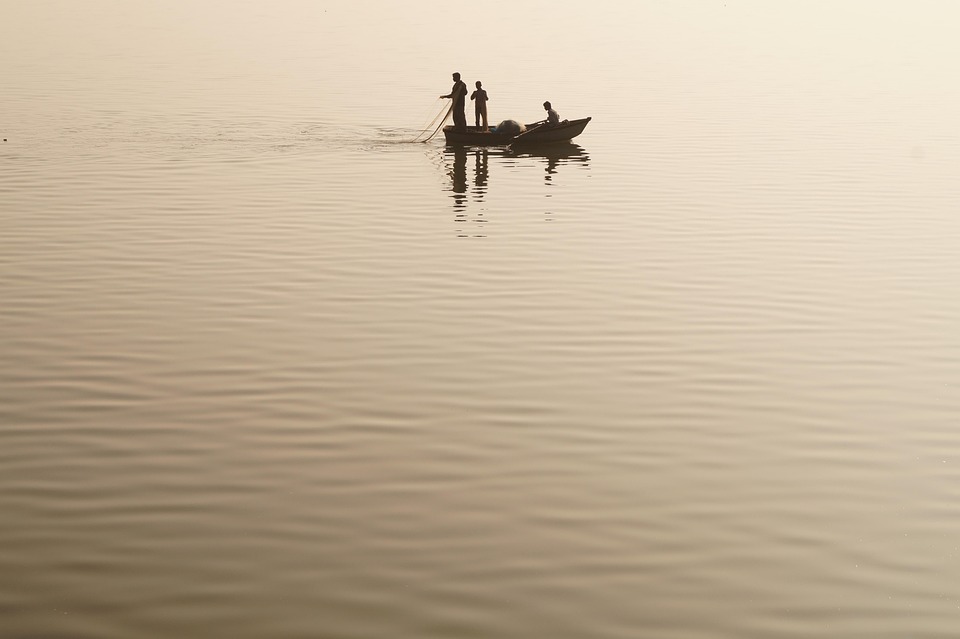
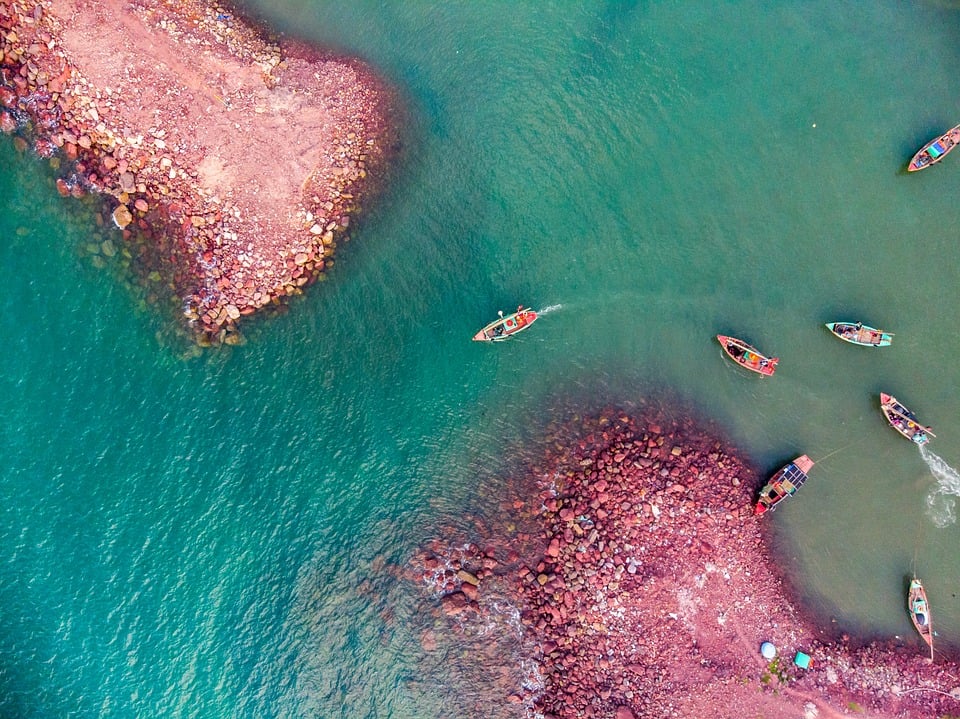
Launching from a marina, the excitement builds as your boat cuts through the water, leaving behind the hustle and bustle of land. This is where adventure truly starts; the ocean is like a blank canvas, waiting for stories to be written. As you head further from the shore, the scenery evolves. The skyline fades away, revealing expansive skies and rolling waves, while the comforting hum of the engine drowns out the chaos of daily life.
Understanding Offshore Fishing Equipment
Knowledge of fishing gear significantly enhances the experience. Standard offshore fishing equipment includes:
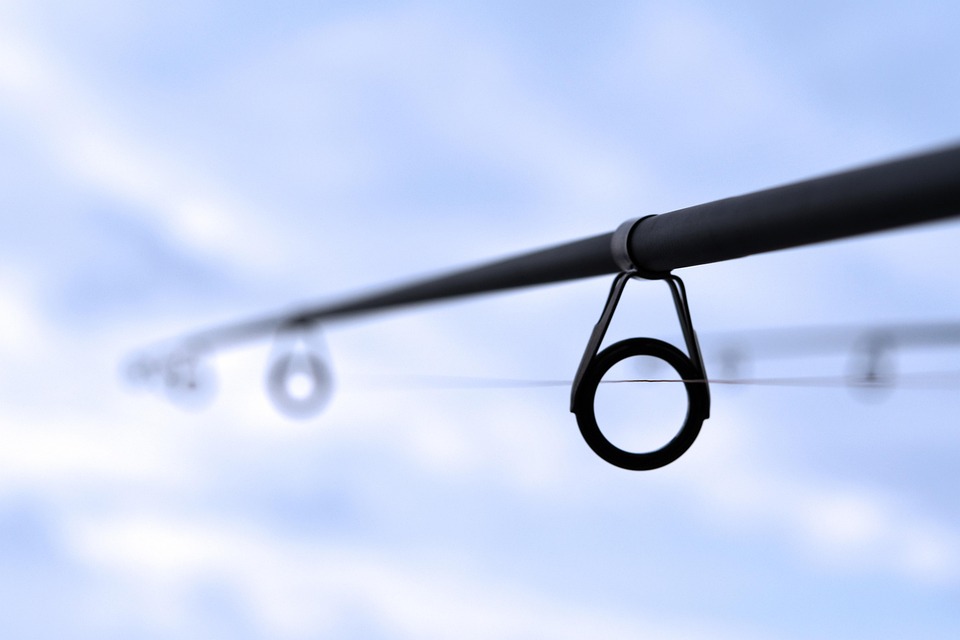
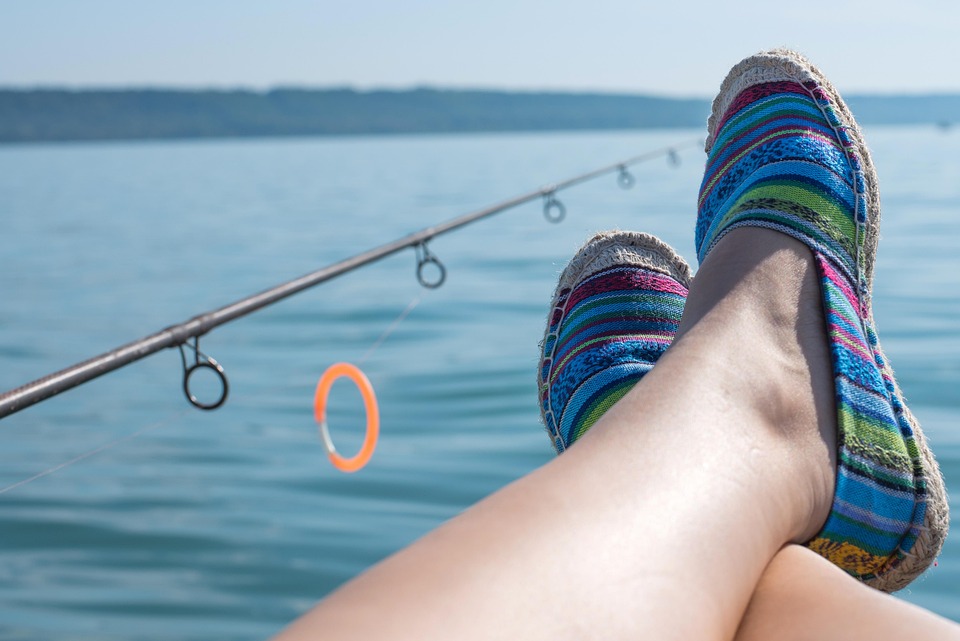
- Rod and Reel: Offshore rods are typically heavier and longer, designed to withstand the powerful fish that lurk in deeper waters. Reels can either be conventional or spinning, depending on preference and the species targeted.
- Lines and Lures: Offshore fishing often involves heavier lines (often braided) and a variety of lures, including jigs, trolling lures, and live bait that mimic the local prey.
- Tackle Boxes: A well-stocked tackle box is essential for successful fishing. It contains everything from hooks and sinkers to additional lures and rigs, tailored for the species you’re targeting.
The Thrill of the Catch
One of the most thrilling aspects of offshore fishing is the adrenaline rush that comes with battling a big fish. Anglers often target species such as tuna, marlin, and mahi-mahi. Each fish presents its own challenge, requiring not only strength but skill and patience.
Catch and Release vs. Keeping Your Catch
Anglers must decide whether to keep their catch or release it. While keeping a fish can provide a delicious meal, catch-and-release practices are critical for sustainability, ensuring that future generations can enjoy this exhilarating sport. The thrill doesn’t just lie in keeping fish; it also resides in the skills of handling them properly. Techniques such as using barbless hooks can help reduce harm to the fish, while increasing survival chances post-release.
Environmental Awareness and Conservation
Understanding the impact of fishing on marine ecosystems is essential for long-term sustainability. Many organizations work tirelessly to promote responsible fishing practices, educating anglers on local regulations, species conservation, and habitats. The ocean is fragile; thus, practicing ethical fishing is key to maintaining its health.
Joining a Community of Like-Minded Anglers
Offshore fishing also provides an opportunity to bond with others who share a passion for the ocean. Whether it’s through a charter trip, participating in fishing tournaments, or engaging in online forums, the fishing community is rich with shared experiences and knowledge. Events like these foster camaraderie and often lead to lifelong friendships, further enhancing the adventure of offshore fishing.
Embracing the Unknown
Every trip into the deep blue carries its own unpredictability. The thrill of not knowing what lies beneath keeps fishermen returning to the water, eager to test their luck. This unpredictability can also lead to unexpected discoveries—like spotting a pod of dolphins or whales breaching on the horizon, further enriching the journey beyond just catching fish.
Safety First
With great adventures come great responsibilities. Safety should always be a priority when engaging in offshore fishing. Essential safety equipment includes life vests, first-aid kits, and communication devices. It’s crucial to check weather forecasts and be aware of water conditions before heading out. Knowledge of local regulations and guidelines also keeps you safe and respectful of the marine environment.
Conclusion
Offshore fishing is an adventure that encompasses the thrill of the chase, the joy of camaraderie, and the peaceful connection to nature. Whether you’re an experienced angler or a novice, there’s something invigorating about setting sail into the vast ocean. Each fishing trip can lead to unexpected experiences—moments that remain etched in memory long after returning to shore. With attention towards conservation and safety, every angler can contribute to ensuring that future generations can also reel in their own adventures.
FAQs
1. What is the best time for offshore fishing?
The best time typically depends on the species targeted and the local seasonality. Generally, early morning or late afternoon are prime times, especially during warmer months.
2. Do I need a fishing license for offshore fishing?
Yes, fishing licenses are often required. Regulations vary by state or region, so it’s essential to verify local rules.
3. What should I bring on my offshore fishing trip?
Besides your fishing gear, essentials include sunscreen, food, drinks, gloves, and a camera for capturing memorable moments. Always check with your charter service for specific requirements.
4. How do I prepare the fish once I catch it?
Cleaning and preparing fish varies by species. Most anglers opt to fillet their catch on board before heading home. Always follow local regulations regarding size limits and species specific guidelines.
- barracuda fishing
- beach fishing
- big game fishing
- bluewater fishing
- boat fishing
- coastal fishing
- deep ocean fishing
- deep sea fishing
- drift fishing
- grouper fishing
- jigging fishing
- kingfish fishing
- mahi mahi fishing
- marlin fishing
- ocean fishing
- offshore fishing
- pier fishing
- reef fishing
- sailfish fishing
- saltwater angling
- saltwater fishing
- saltwater fishing guides
- shark fishing
- shore fishing
- snapper fishing
- sport fishing
- surf fishing
- trolling fishing
- tuna fishing









Leave a comment