














Barracuda fishing can be a thrilling adventure for both novice and seasoned anglers. With their formidable appearance and aggressive feeding behavior, these fish not only provide challenging catches but also an exhilarating fishing experience. For those eager to dive into this exciting sport, understanding the basics of barracuda fishing is key to success.
Understanding Barracudas
Barracudas are predatory fish known for their sleek bodies and impressive speed. They belong to the family Sphyraenidae and are typically found in tropical and subtropical seas around the world. With various species, the most notable for fishing are the Great Barracuda (Sphyraena barracuda) and the European Barracuda (Sphyraena sphyraena).
Recognizable by their elongated bodies, sharp teeth, and a fearsome jaw structure, barracudas can grow to impressive lengths, with some exceeding six feet. They are known for their striking coloration, often showcasing a silver body with dark stripes running along their sides, making them a beautiful yet intimidating creature of the ocean.
Best Locations for Barracuda Fishing
Finding the right spot is essential for a successful barracuda fishing trip. These fish tend to inhabit a variety of underwater terrains, making several locations prime spots for anglers:
- Reef Structures: Barracudas are often found near coral reefs where they can hunt for smaller fish.
- Drop-offs: Steep underwater slopes are ideal places for these predatory fish to ambush their prey.
- Grass Beds: Areas of seagrass or similar vegetation provide cover for both baitfish and barracudas.
- Jetties and Piers: Structures extending into the water can attract baitfish, drawing barracudas closer to shore.
Essential Gear for Barracuda Fishing
Equipping yourself with the right gear significantly enhances your chances of landing a barracuda. Here’s what you’ll need:
Rods and Reels
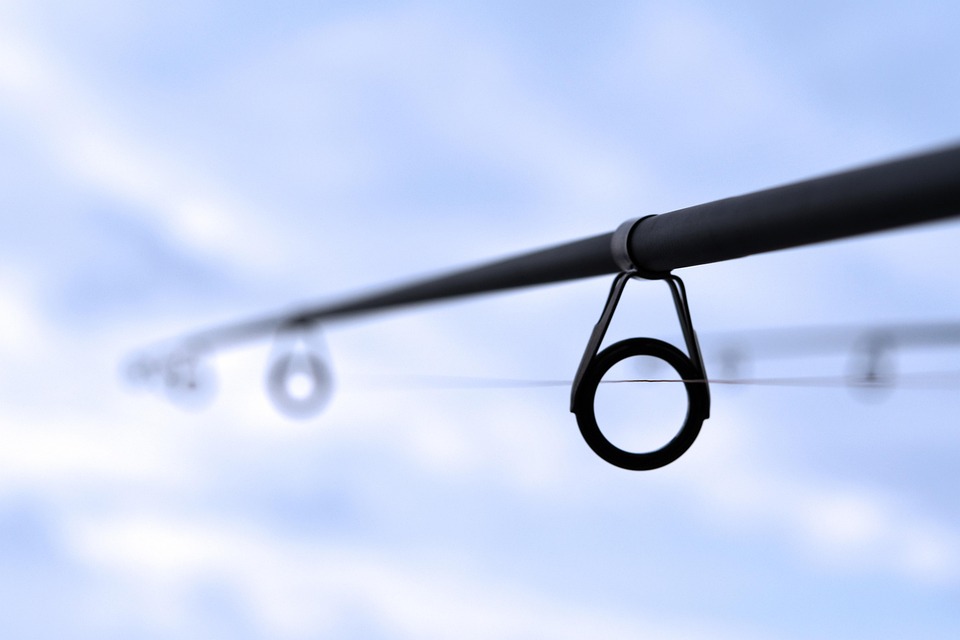
A medium to heavy-action fishing rod paired with a quality spinning or baitcasting reel is optimal for barracuda fishing. Look for reels with a high gear ratio to reeling in quickly, as barracudas can strike aggressively and swim fast.
Line and Leader
Using a strong braided line in the 30-50 lb test range is advisable due to the barracuda’s sharp teeth. Additionally, a wire leader of 40-80 lb test is crucial to prevent bite-offs during the fight.
Baits and Lures
Barracudas are attracted to a variety of baits and lures, including:
- Live Bait: Fish such as mullet or sardines work well.
- Cut Bait: Freshly cut pieces of fish can also entice a barracuda.
- Artificial Lures: Jigs, spoons, and surface plugs that mimic the movement of baitfish are effective.
Techniques for Catching Barracuda
Chasing barracudas requires a strategic approach. Here are several techniques that beginners can employ:
Surface Trolling
One of the most popular methods for catching barracuda is trolling with lures that mimic baitfish. This technique involves dragging a lure behind a moving boat at varying speeds, often between 5-10 knots, to entice barracudas.
Casting
For those fishing from shore or a smaller vessel, casting lures or live bait along the structures like reefs or jetties can yield great results. Ensure to retrieve your lure quickly to simulate an injured baitfish.
Chumming
This technique involves throwing bait into the water to attract barracudas closer to your fishing spot. Use small pieces of cut bait to create a scent trail in the water, then fish with lures or live bait in the chummed area.
Timing Your Fishing Trip
While barracudas can be caught year-round, certain times of day yield better results. Early mornings and late evenings are ideal as these fish are generally more active during these times. Additionally, tidal movements can affect fish behavior, so planning your trip around tides can enhance your chances of a successful catch.
Safety Considerations
Before heading out, it’s crucial to prioritize safety. Barracudas, while not typically aggressive towards humans, can be dangerous when provoked. Wear protective footwear onboard, handle fish with care (especially the teeth), and be cautious when fishing in open waters. Additionally, consider your own safety by wearing a life jacket and ensuring you inform someone about your fishing plans.
Conservation and Ethical Fishing
Practicing conservation is essential for the sustainability of barracuda populations. Here are several ways you can contribute:
- Catch and Release: If you’re not looking to keep the fish, practice catch and release methods to help maintain the population.
- Follow Regulations: Adhere to local fishing regulations regarding size limits and seasonal restrictions.
- Minimize Environmental Impact: Be conscious of your surroundings and refrain from leaving trash or debris on the shore or in the water.
Conclusion
Barracuda fishing is not only a thrilling experience but also an opportunity to connect with nature, learn about marine ecosystems, and enjoy the great outdoors. Whether you’re a beginner looking to land your first barracuda or an experienced angler aiming to refine your skills, understanding the techniques, gear, and ethical practices involved is essential. With each cast, you open yourself up to the thrill of chasing shadows beneath the shimmering surface of the ocean.
FAQs
1. What is the best time of year to catch barracuda?
The best time to catch barracuda is typically during warmer months, but they can be found year-round. Early morning and late evening are prime times for fishing.
2. How large can barracudas grow?
Great barracudas can grow over six feet long and weigh up to 100 pounds, while European barracudas are slightly smaller.
3. Are barracudas safe to eat?
Yes, barracudas are safe to eat. However, due to their potential to carry ciguatera toxin in certain areas, it’s advisable to consult local advisories before consuming.
4. Do I need a fishing license to catch barracuda?
In most regions, a fishing license is required to fish legally. Check with your local regulations to ensure compliance.
5. What is the best bait for barracuda fishing?
Live bait such as mullet, sardines, or cut bait are effective. Artificial lures that mimic the movement of baitfish also work well.
- advanced predator fishing
- aggressive fish fishing
- barracuda fishing
- barracuda lure fishing
- freshwater predator fishing
- large predator fishing
- muskie fishing
- muskie lure fishing
- pike fishing
- pike lure fishing
- predator angling
- predator fishing
- predator fishing baits
- predator fishing destinations
- predator fishing for beginners
- predator fishing gear
- predator fishing guides
- predator fishing lures
- predator fishing reels
- predator fishing rigs
- predator fishing rods
- predator fishing seasons
- predator fishing spots
- predator fishing tactics
- predator fishing techniques
- predator fishing tips
- predatory fish fishing
- saltwater predator fishing
- zander fishing
- zander jigging








Leave a comment