







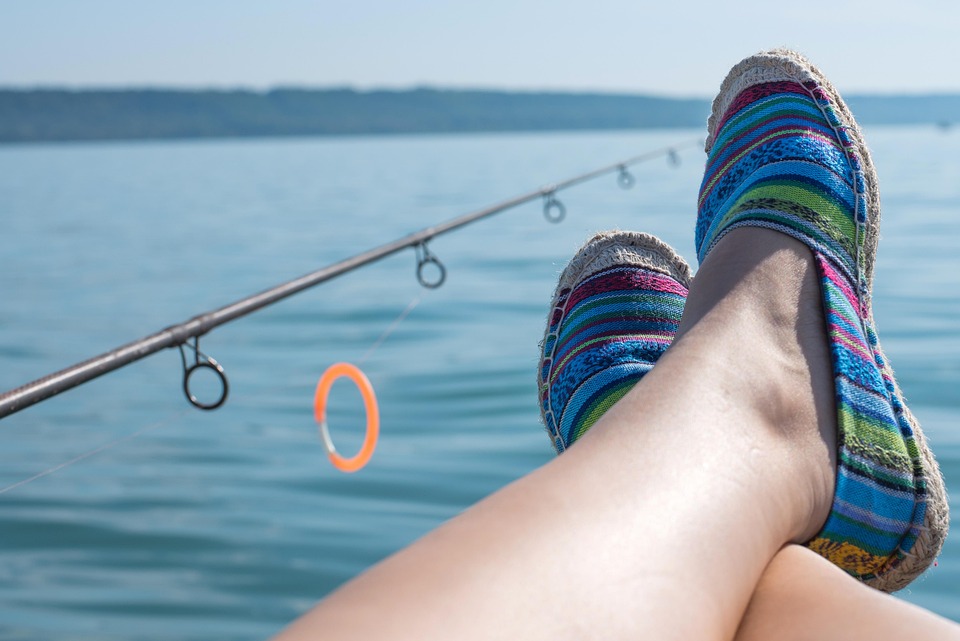


Carp angling is not only a popular pastime but also an art form that has caught the attention of fishing enthusiasts around the globe. Ranging from the humble common carp to the elusive mirror carp, this fish has become a sought-after prize for both beginner and seasoned anglers. In this guide, we will delve into the essentials of carp fishing, providing tips, techniques, and insight for every level of expertise.
Understanding Carp
Carp are adaptable fish that thrive in a variety of environments, making them widespread and accessible. Originating from Asia, carp were introduced into Europe in the Middle Ages, and they have since become established in waters worldwide. Here’s what you need to know:
- Species: Common, Mirror, and Koi carp are the most popular species targeted by anglers.
- Habitat: Carp prefer lakes, ponds, and slow-moving rivers. They are often found in weedy areas that provide cover and food.
- Feeding Habits: Carp are omnivorous, eating a mix of plant material, insects, and crustaceans. They tend to feed near the bottom, making bait selection critical for successful carp angling.
Essential Gear for Carp Angling
The right equipment can greatly enhance your fishing experience. Here’s a rundown of essential items for carp fishing:
Rods and Reels
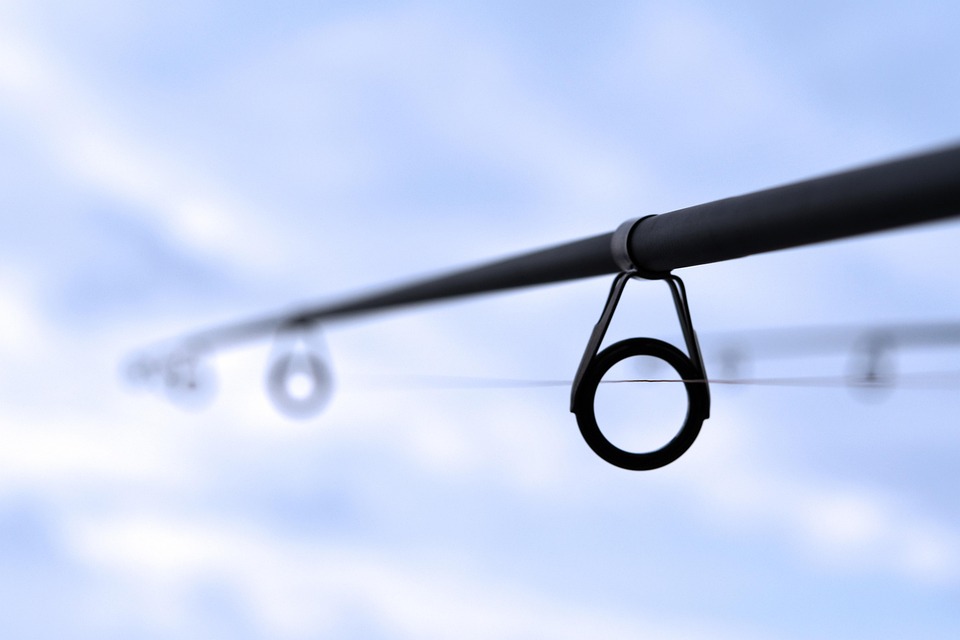
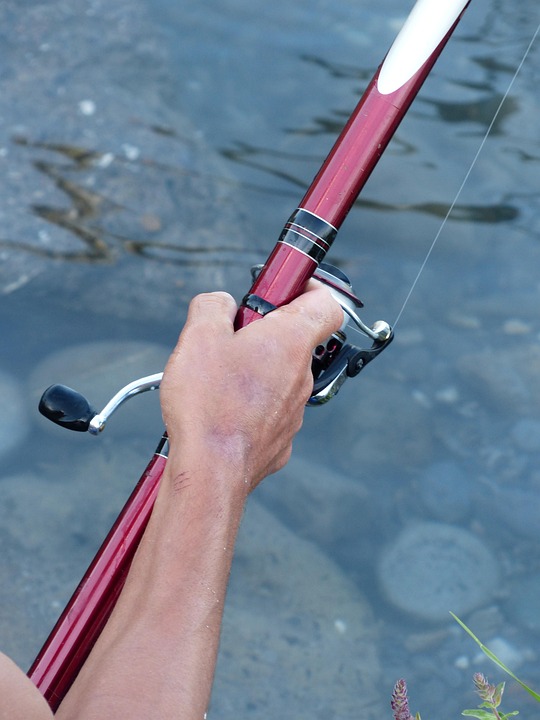
Choose a rod rated for carp fishing—usually between 2.5 to 3.5 pounds test curve. A good quality spinning or baitcasting reel helps in casting and reeling in larger fish.
Rigs and Lines
Invest in strong, durable lines (15-20 lb test or more). Popular rig choices include:
- Hair Rig: Allows the hook and bait to function independently, increasing chances of a successful catch.
- Hinge Rig: Versatile, providing excellent bait presentation.
Baits
Natural baits such as corn, bread, and dough balls are popular among beginners, while seasoned anglers may opt for boilies or pellets that mimic carp’s natural diet.
Location and Timing
Finding the right spot is crucial for a successful carp fishing trip. Look for:
- Weedy Areas: Carp like to feed in vegetation.
- Drop-offs: A sudden change in depth can be a hotspot for feeding carp.
- Feeding Times: Early mornings and late afternoons are generally the best times to fish.
Techniques for Beginners
If you’re new to carp fishing, start with these fundamental techniques:
Chumming
This technique involves attracting fish with bait. Throw a handful of bait into the water and wait for carp to gather before casting your line.
Ledgering
Using a weight to keep your bait on the bottom. This method is great for fishing in heavily weeded areas.
Tips for Advanced Anglers
For those who have experience, consider these advanced tips:
Rigging Innovations
Experiment with different rig setups and baits. The more you vary your approach, the more you’ll learn about carp behavior.
Seasonal Strategies
Carp behavior changes with the seasons. In colder months, focus on deeper waters. In warmer months, they move shallower and into the weeds.
The Importance of Patience
Carp fishing requires time and persistence. Don’t be discouraged by long waits—applying techniques like chumming and regular baiting can help.
Conservation and Ethical Fishing
As anglers, it is our duty to respect nature. Follow these guidelines:
- Catch and Release: Ensure you release carp back into the water wherever possible.
- Clean Fishing: Dispose of waste responsibly to protect aquatic environments.
- Educate Fellow Anglers: Share knowledge about conservation methods.
Conclusion
Carp angling is an engaging sport that offers something for everyone, regardless of skill level. From understanding the species and mastering the gear, to applying the right techniques and maintaining ethical practices, the journey of becoming a proficient carp angler is both rewarding and challenging. Stay patient, keep learning, and respect the waters you fish in. Each trip is an opportunity to discover more about these fascinating creatures and the art of fishing.
FAQs
1. What is the best time of year to fish for carp?
The best time to fish for carp is during the warmer months, typically from late spring through early autumn, when they are most active.
2. What are the best baits for carp fishing?
Common baits include corn, sweet dough balls, boilies, and pellets. Experiment with different types to see what works best in your local waters.
3. What should I do if I catch a carp?
Handle the fish gently, wet your hands before touching it, and consider releasing it back into the water to maintain the fish population.
4. Is carp fishing suitable for children?
Absolutely! Carp fishing can be a great introduction to fishing for children because carp are plentiful and relatively easy to catch.
5. Can carp be found in saltwater?
No, carp are freshwater fish and typically live in lakes, rivers, and ponds.
- big carp fishing
- carp angling
- carp boilies
- carp feeder fishing
- carp fishing
- carp fishing bait
- carp fishing destinations
- carp fishing gear
- carp fishing guides
- carp fishing holidays
- carp fishing lakes
- carp fishing methods
- carp fishing reels
- carp fishing rigs
- carp fishing rods
- carp fishing techniques
- carp fishing tips
- carp groundbait
- carp hair rig
- carp pellets
- European carp fishing
- France carp fishing
- margin carp fishing
- method feeder carp fishing
- monster carp fishing
- river carp fishing
- Spain carp fishing
- stalking carp
- trophy carp fishing
- UK carp fishing









Leave a comment