

















Introduction to Carp Fishing
Carp fishing has gained immense popularity over the years, all thanks to its exhilarating experience and the challenge it presents. Known for their size and strength, carp are bottom feeders that require specific techniques to catch effectively. While anglers often search for the ‘perfect’ spots in deeper waters or under the cover of lilies, fishing close to the bank—or ‘the margin’—can yield impressive results.
Understanding the Margin
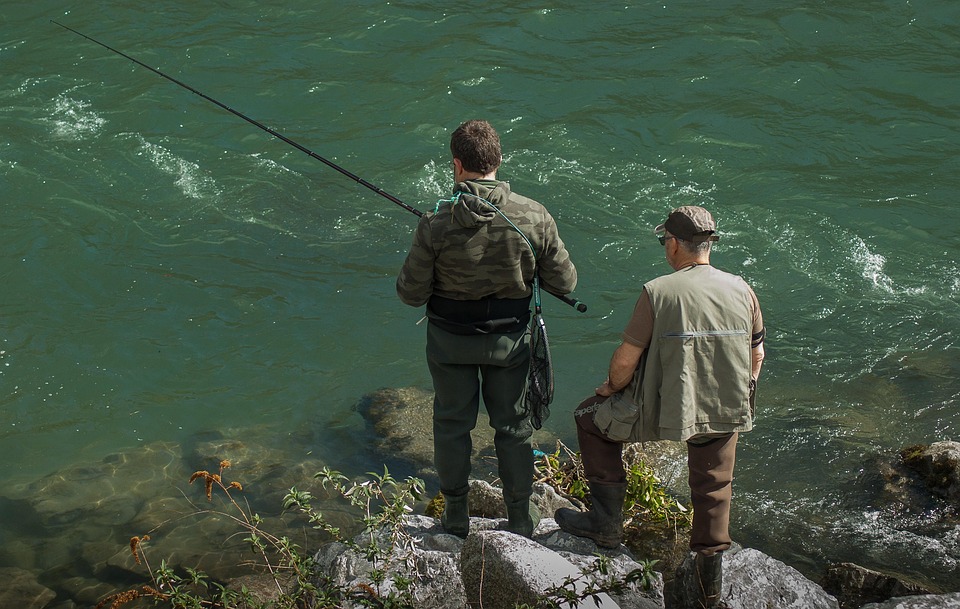
The ‘margin’ refers to the very edge of a water body, usually characterized by shallow depths and abundant vegetation. While many overlook this area, it is an ecosystem teeming with life. Here, you’ll find food sources such as insects, smaller fish, and debris that enhance the chances of spotting a hungry carp.
Furthermore, the margin offers the carp shelter from potential predators, making it a favorite hangout spot. Understanding this dynamic can be a game-changer for any angler.
Choosing the Right Time
Timing can significantly impact your success when carp fishing close to the bank. Early mornings and late afternoons provide ideal conditions as carp are known to be more active during these periods. During warmer months, especially at dawn and dusk, these fish venture into shallow regions to feed.
Seasonal fluctuations also play a role. In spring, carp can be found near the margin for spawning, while in winter, they stay in deeper areas. Adjusting your timing according to seasonal behavior is essential for a fruitful fishing expedition.
Essential Gear for Margin Fishing
Choosing the right tackle and bait is crucial when targeting carp close to the bank. Here are the key elements you need:
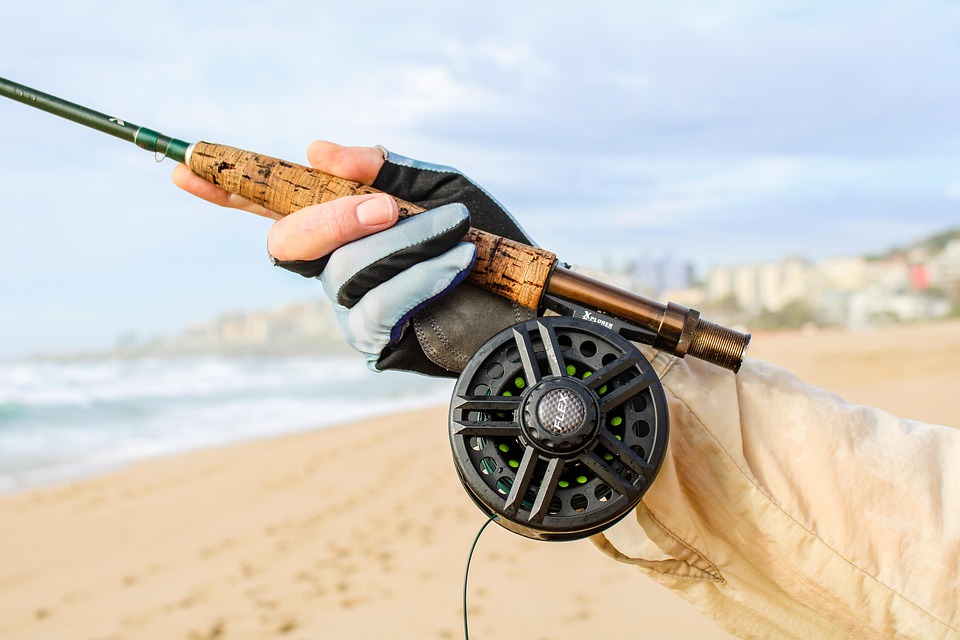
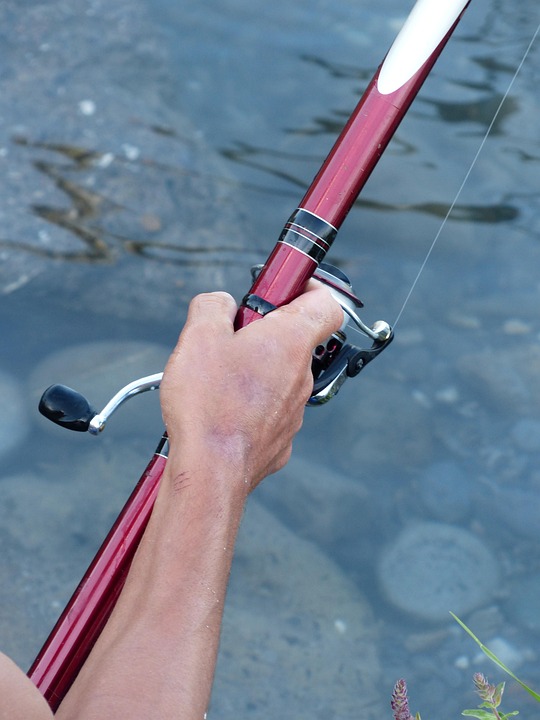
- Rod and Reel: A 10-12 feet rod is ideal for casting into the margins, while a reliable reel with a good drag system ensures you handle larger catches.
- Main Line and Leader Line: Use a strong line (20-30 lb test) paired with a leader line to avoid breakage when fighting a powerful fish.
- Hooks: Size 4 to 8 hooks are appropriate, depending on the bait size. Ensure they are sharp for effective hooksets.
- Bait: Opt for sweetcorn, boilies, or pellets. Adding a PVA bag of small pellets or particles can further attract carp.
Effective Techniques for Fishing the Margin
Proficient anglers employ several techniques to maximize their chance of a catch. Here are a few effective methods:
1. Spotting the Sweet Spot
Use polarized sunglasses to spot fish activity and forage. Look for bubbles, rolling fish, or any signs of feeding. Identifying these sweet spots within the margin can lead to increased bites.
2. Casting Accurately
Practice precision in your casting. Aim to place your bait within a few feet of the bank, ideally in clear water where fish can spot it easily. Use lighter leads if fishing near visible structures.
3. Balancing Your Bait
Consider using a bait that floats to draw interest from the carp. A balanced rig, such as a pop-up boilie or a corked bait, can encourage carp to take the hook.
4. Using a Marker Float
Employ a marker float to identify depth changes and underwater features. This technique allows you to tailor your approach, bait placement, and rig setup according to the margin’s characteristics.
Understanding Fish Behavior
Recognizing fish behavior can substantially boost your success rate. Carp are social creatures that often feed in groups. Watch for their movement patterns, as they can signal feeding times. Additionally, consider the weather; overcast days often encourage more active feeding compared to bright, sunny days.
During cold weather, carp tend towards the deeper margins. Thus, staying adaptable and modifying your technique based on environmental factors can lead to substantial gains.
Common Mistakes to Avoid
Avoiding common mistakes can make a significant difference in your fishing success. Here are a few traps that many anglers fall into:
- Overfeeding: While baiting up is crucial, overdoing it can scare off fish. Use small amounts to start and build from there.
- Neglecting Water Clarity: Always fish according to visibility. In murky waters, stronger flavors or bright colors may attract carp more effectively.
- Wrong Rig Setup: Experiment with different rigs to find what best suits your situation. A poorly setup rig can lead to missed opportunities.
Keeping Your Catch Sustainable
Carp fishing can have a significant impact on local ecosystems. To practice sustainable fishing:
- Always follow local regulations and size limits.
- Handle fish with care to minimize stress, and consider catch-and-release practices.
- Teach younger generations about the importance of conservation.
Conclusion
Carp fishing close to the bank may be overlooked, but it offers an accessible and rewarding experience for anglers of all levels. By understanding the dynamics of the margin, timing your outings correctly, and employing the right techniques and gear, you can significantly increase your success rate. The thrill of catching a robust carp close to the shore is an unforgettable experience. Remember, every fishing adventure draws upon patience, strategy, and a respect for the environment. So gather your gear, hit the banks, and embrace the art of carp fishing!
FAQs
1. What bait is best for carp fishing?
Commonly effective baits include sweetcorn, boilies, and pellets. Experimenting with different types based on the fish’s behavior can lead to higher success rates.
2. When is the best time to fish for carp?
Early mornings and late afternoons are considered peak times. Seasonal variations also impact carp feeding; spring is particularly fruitful as fish tend to spawn in the shallows.
3. How do I know where to fish in the margins?
Look for signs of fish activity, such as bubbles or surface disturbances. Polarized sunglasses can help in spotting these indications.
4. Can I catch carp during winter?
Yes! Carp can be caught in winter, but they tend to be in deeper waters. Choose warmer days and consider using a bait that offers strong flavors to entice them.
5. What should I do if I catch a carp?
Handle the carp gently, wet your hands before touching it, and if practicing catch-and-release, use a landing net to minimize stress. Follow local regulations regarding size limits and harvesting.
- big carp fishing
- carp angling
- carp boilies
- carp feeder fishing
- carp fishing
- carp fishing bait
- carp fishing destinations
- carp fishing gear
- carp fishing guides
- carp fishing holidays
- carp fishing lakes
- carp fishing methods
- carp fishing reels
- carp fishing rigs
- carp fishing rods
- carp fishing techniques
- carp fishing tips
- carp groundbait
- carp hair rig
- carp pellets
- European carp fishing
- France carp fishing
- margin carp fishing
- method feeder carp fishing
- monster carp fishing
- river carp fishing
- Spain carp fishing
- stalking carp
- trophy carp fishing
- UK carp fishing








Leave a comment